
Tossing a mattress on the curb might feel like the easiest option, but it’s far from eco-conscious. Mattresses are bulky, hard to break down, and notoriously difficult for landfills to process. Their springs can jam compacting machines, and their foam takes decades to decompose. Recycling, on the other hand, offers a cleaner way out. The materials inside your mattress—metal, foam, and wood—can often be salvaged and reused if properly separated.
But not every city makes this process straightforward. Some facilities require appointments, while others won’t accept certain brands or mattress conditions. That’s where a bit of legwork makes a big difference. Look for recycling centers that specialize in large-item breakdowns, or seek out haulers who partner with eco-responsible processors. A recycled mattress doesn’t end up haunting the environment—it becomes part of something useful again.
Break Down Before You Toss
A whole mattress is tough to handle, but breaking it into parts can make disposal far more efficient. Once stripped of its fabric and padding, a mattress is essentially a collection of usable resources: wood from the frame, metal from the springs, and various types of foam. When you deconstruct it at home, you open the door to repurposing pieces yourself or delivering sorted components to specialized recycling centers.
Doing this takes effort—there’s no denying it. But with basic tools and some elbow grease, the payoff feels real. You’re not just ditching junk; you’re reclaiming raw materials. Even if you can’t use them personally, local organizations or makerspaces might jump at the chance to take usable scraps off your hands. Less waste, more impact.
Explore Donation Before Disposal
Just because a mattress isn’t right for you anymore doesn’t mean it’s reached the end of its usefulness. Many shelters, charities, and housing support organizations accept lightly used mattresses, especially if they’re clean, stain-free, and structurally sound. Instead of letting it rot in a landfill or disassembling it for parts, passing it on might serve someone in real need.
However, donation isn’t always a guaranteed option. Regulations vary depending on location and the nonprofit’s capacity or current needs. Call ahead, and be honest about the mattress’s condition—no one wants a surprise. If accepted, you’re extending the life of your mattress and saving someone the stress of sleeping on the floor. It’s a quiet, powerful way to show up for your community while keeping trash out of the earth.
Avoid Plastic Wrap When Possible
When people toss mattresses, especially curbside, they often wrap them in thick plastic to prevent moisture or dirt exposure. While the intent may be good, the aftermath isn’t. Plastic wrap doesn’t decompose, and when it breaks down into microplastics, it becomes an invisible long-term pollutant. If you’re disposing of your mattress responsibly, covering it in layers of non-recyclable plastic defeats the purpose.
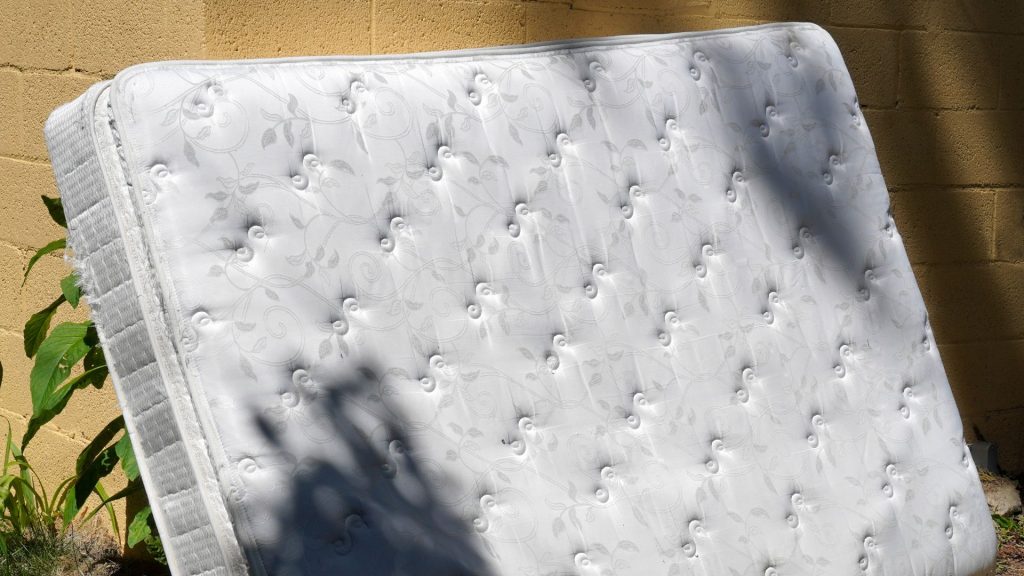
There are cleaner alternatives. If wrapping is necessary—due to local hauling rules or donation requirements—opt for biodegradable mattress bags or reusable covers that can be returned or repurposed. Some haulers also offer eco-conscious wrap options when picking up items. A few small decisions like this, multiplied by thousands of households, could shift a whole city’s waste footprint.
Understand What Local Disposal Rules Say
Mattress disposal isn’t one-size-fits-all. Every city and county carries its own rules, some of them quite strict. Some places offer scheduled bulky-item pickups, while others fine residents for curb dumping. A few areas even require mattresses to be recycled by law. Knowing what your locality expects doesn’t just save you from penalties—it ensures your old mattress doesn’t quietly become someone else’s environmental problem.
Take a few minutes to scan your municipal waste website. You might discover drop-off points, upcoming free recycling events, or certified haulers who’ve been vetted for eco-friendly practices. These programs exist for a reason—to streamline bulky waste handling and reduce environmental strain. Doing it right might take a bit more planning, but it also ensures your mattress doesn’t end up rotting in a ditch or clogging equipment.
Upcycle Instead of Trashing
If your mattress isn’t in donation shape but still has good bones, consider turning it into something else. Upcycling isn’t just for crafty Pinterest users—it’s a practical, creative way to stretch value from something that otherwise feels like waste. Foam padding becomes pet beds. Wooden frames morph into garden trellises. Springs can be shaped into rustic wall art or functional hooks.
No need to become a full-time DIYer to make this work. Even pulling out a few useful parts and giving them a second life feels more responsible than trashing the entire mattress. If you’re handy—or even just curious—upcycling invites you to play with what’s already in front of you. In an era of disposable everything, choosing to reinvent something sends a much-needed signal.
Be Skeptical of “Free” Dumping Offers
You might stumble across a hand-painted sign stapled to a pole or a casual online ad offering free mattress removal. The idea seems perfect—no cost, no hassle, just one less thing to worry about. But convenience can come with a hidden cost. Many of these “free” haulers have no proper licensing, oversight, or accountability. Rather than delivering your mattress to a recycling center or authorized dump site, they may take the quickest and cheapest route, which often means illegal dumping. Mattresses show up in alleyways, rural clearings, or backroads, becoming environmental hazards that attract pests, pollute the area, and cost cities thousands to clean up.
Responsible mattress disposal should never be a guessing game. Transparency matters. A reliable hauler will tell you where your mattress is going, explain the disposal method, and provide documentation if needed. Ask questions—how do they process the items? Are they partnered with recycling facilities? Can they provide receipts or confirmation of disposal? A legitimate company has nothing to hide and will gladly share how they handle each step. That small upfront disposal fee isn’t just a transaction—it’s a safeguard against pollution, a shield from liability, and a way to ensure your mattress leaves your life without leaving a mark on the environment.
Schedule Removal with Reliable Services
Time and energy aren’t always on your side when it’s time to deal with an old mattress. Maybe your schedule’s packed, or the idea of wrestling a heavy, awkward item down stairs just doesn’t appeal. Most folks don’t want to spend their weekend dismantling springs or calling around to recycling centers that might not even take what you’ve got. That’s where professional hauling services come in—they eliminate the friction. With one call, they handle everything from pick-up to responsible drop-off, often knowing exactly which local facilities accept each type of material. You save your back, your time, and your weekend.
Still, not all hauling services deserve your trust. Some might just send your mattress to the nearest landfill, no questions asked. If you care about where your mattress ends up, dig a little deeper. Find companies that actively partner with recycling networks, mention eco-conscious practices on their site, or provide transparency about what happens after pick-up. Reviews can reveal whether they follow through on those green promises. Choosing wisely means you’re not just throwing something away—you’re making sure it ends up in the right place.
Don’t Forget About the Box Spring
People tend to focus all their disposal efforts on the mattress itself, often overlooking the box spring entirely. But that under-the-radar foundation carries just as much responsibility when it comes to eco-friendly disposal. It contains many of the same recyclable elements—wooden frames, metal coils, and fabric layers—that, if ignored, contribute just as much waste as the mattress. Letting it sit in the garage or tucked away in a basement only postpones the inevitable and turns a small task into a future headache. Addressing both at the same time ensures you don’t leave half the problem behind while thinking the job is done.
Many recycling centers and hauling services treat box springs the same as mattresses, accepting both for a bundled price or in a shared load. If you’re going the DIY route, disassemble the box spring the same way you would a mattress, separating the parts and sorting them for reuse or recycling. The goal is full-circle disposal, not partial cleanup. When both items are handled responsibly, you’re not just clearing physical space—you’re closing the loop on your sleep setup’s life cycle with intention and care.
Think Long-Term Before Buying Again
One of the most eco-friendly ways to handle mattress disposal actually begins before the mattress ever enters your home. It starts at the point of purchase, with a decision that sets the tone for what happens years down the road. Many modern mattress companies now offer sustainable options—think materials like recycled steel springs, plant-based foams, or organic cotton covers. Some even go a step further by designing modular mattresses that are easy to take apart, sort, and recycle when their lifespan is up. A few brands offer take-back programs too, ensuring that old mattresses are collected and processed responsibly instead of tossed into a landfill.
When you approach mattress buying with long-term impact in mind, your role as a consumer shifts from simply choosing comfort to choosing sustainability. You begin to understand that everything you bring into your space will eventually need to leave it, and how it leaves matters. A mattress made with recyclability in mind won’t just support your sleep—it’ll lighten your future workload and environmental footprint. Choosing wisely now sets you up for smarter, easier disposal later on, making eco-friendly habits feel less like effort and more like foresight.
Conclusion
Disposing of a mattress responsibly doesn’t have to feel like a burden when you know who to call. Whether you’re upgrading your bedroom setup or simply clearing space, the key lies in working with a team that treats every haul like it matters. Eco-conscious disposal doesn’t need to be complicated—it just needs to be done right.
Done Right Haul Away is your go-to for mattress removal in Maryville, offering sustainable solutions that align with your values. Reach out by phone at 865-236-0101 or send an email to zach@donerighthaulaway.com and take the guesswork out of green disposal.