
When a refrigerator stops humming or a dryer wheezes its final breath, most people just want it gone. But chucking it onto the curb or wheeling it into a corner of the garage is where problems start. Appliances are heavy, complex machines made of metal, plastic, chemicals, and electronic parts that don’t break down quietly—or safely. Improper disposal can send toxic refrigerants into the air and leach heavy metals into the soil. What feels like a small task can trigger a much larger chain of environmental consequences.
Responsible appliance disposal is about more than just cleaning out space. It’s about preserving safety, promoting recycling, and complying with legal guidelines that exist to protect your community. Cities are cracking down harder on illegal dumping and unauthorized pick-ups because one bad decision can cost more than just fines—it can damage public resources. Thinking it through, acting responsibly, and understanding the impact makes a real difference, not just in your home but across neighborhoods and ecosystems alike.
The Hidden Hazards Inside Everyday Appliances
Most people don’t think twice about tossing an old microwave or freezer, but beneath the surface lies a cocktail of hazardous components. Refrigerants like Freon, found in many older air conditioners and refrigerators, are known to deplete the ozone layer. Mercury switches, oils, and lead-based soldering lurk inside as well, and once these items hit landfills, they pose serious risks to water tables, wildlife, and human health. That humming appliance isn’t just junk—it’s a ticking time bomb in disguise.
What makes this even more concerning is how often appliances are mishandled. Dragging one to the dump may seem simple, but doing it without proper safety knowledge or disposal procedures often results in leaks and spills. Appliances weren’t built to be discarded thoughtlessly. Each one requires specific handling, dismantling, and sometimes professional-grade transportation. The wrong move can release toxins into the environment or cause injuries to those doing the heavy lifting. A little awareness goes a long way when it comes to staying safe and protecting the planet.
Appliance Recycling Is More Than Just Metal
People often associate recycling with cans and cardboard, but when it comes to appliances, there’s far more value than meets the eye. Old washers and ovens are packed with recoverable materials—copper wiring, aluminum casing, steel frames—that can be processed and reused to build new machines, cars, and even buildings. It’s a loop that benefits the planet and reduces the need for virgin materials. That rusted-out dryer still holds value—it just needs the right hands to extract it.
However, this isn’t a job for amateurs or guesswork. Effective appliance recycling involves separating reusable materials from harmful substances, and not every junkyard or landfill is equipped for that. Improperly handled machines end up in landfills where valuable parts are lost and toxic components spill into the environment. Choosing a responsible route means those valuable pieces reenter the economy, not the soil. What feels like throwing something away is, in truth, an opportunity to give it new life—without the ecological cost.
The Cost of Convenience Can Be Long-Term Damage
It’s tempting to go with the easiest option when it’s time to get rid of that old dishwasher—drag it to the end of the driveway and let nature or a passerby figure it out. But what saves you time today can cost your community in the long run. Many states now consider appliances as electronic waste, which means there are regulations on how they should be removed, processed, and recycled. Ignoring these can lead to hefty fines or worse—environmental degradation that sticks around for decades.
The illusion of convenience is powerful. It feels like no big deal to toss a broken toaster or abandon an air conditioner in an alley. Yet these actions often result in illegal dumping charges, injuries to others, or contamination of public land. It’s a hidden cost wrapped in short-term ease. The real path to convenience is calling in a proper disposal service that handles it safely, swiftly, and legally—eliminating risks before they even begin.
Community Health Starts With Responsible Disposal
Every household plays a part in the ecosystem of its neighborhood. When someone dumps an appliance improperly, it doesn’t just impact their yard—it threatens the shared spaces everyone uses. Toxic runoff from trashed machines can seep into storm drains, polluting local water supplies. Sharp metals or jagged glass left in alleys pose dangers for children, pets, and sanitation workers. Health risks aren’t always obvious, but they’re real and long-lasting when disposal goes wrong.
Communities that prioritize proper appliance disposal help build safer, cleaner environments for everyone. There’s a ripple effect in doing it right—fewer accidents, cleaner soil, and stronger enforcement of local environmental laws. It’s not about rules for rules’ sake; it’s about keeping shared spaces safe and habitable. Whether you’re in a quiet cul-de-sac or a busy urban block, the steps you take to dispose of your old appliances properly have a direct impact on the people and places around you.
Appliance Removal Is Not a One-Person Job
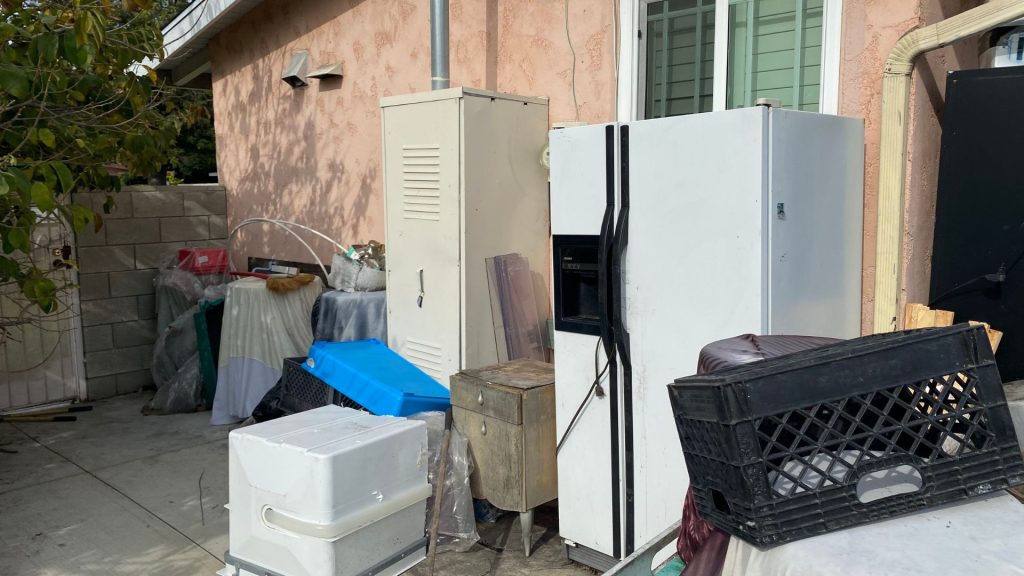
There’s a reason professional services exist for heavy item removal. Even a small microwave becomes a problem when you’re lugging it down narrow stairs or loading it into a compact sedan. Larger units like washing machines and deep freezers aren’t just heavy—they’re awkward, potentially sharp, and can cause serious injury if not handled correctly. Back strains, pinched fingers, and scratched floors are just the beginning when removal turns into a DIY disaster.
Beyond the physical risks, solo appliance disposal often hits a wall when it comes to logistics. You can’t simply toss a refrigerator into your weekly trash bin. Municipal waste systems usually won’t pick them up without notice, permits, or scheduled services. That leaves homeowners scrambling, sometimes resorting to illegal dumping out of sheer frustration. Calling in a professional team means no lifting, no paperwork, and no guesswork—just clean, compliant results that keep you and your property safe.
Legal Risks of Improper Appliance Disposal
What many people don’t realize is that disposing of appliances improperly isn’t just careless—it can be illegal. Various local and federal laws dictate how certain appliances, especially those containing refrigerants and electronics, should be processed. Disposing of these items in a standard landfill or on the street can violate environmental protection laws and result in hefty penalties. Ignorance won’t shield you from consequences, and fines can range from hundreds to thousands of dollars.
Authorities are cracking down harder as environmental concerns continue to grow. Surveillance cameras and stricter codes are making it easier to catch and penalize improper disposal. It’s not worth the risk. Taking the time to do things by the book is far less expensive than facing court dates or remediation costs down the road.
Appliance Disposal Can Affect Property Value
An abandoned appliance rusting in a side yard or stuffed behind a garage doesn’t just look bad—it sends a message. Whether you’re trying to sell your home or simply maintain its curb appeal, visible junk hurts your standing. Potential buyers or renters notice everything, and nothing says neglect like forgotten appliances. Even if you’re not planning to move anytime soon, that lingering clutter affects how neighbors and appraisers view your property.
There’s also the deeper concern of property safety and code compliance. Local ordinances often cite improperly stored appliances as health violations, especially when they become homes for pests or trap standing water. That can drag down the value of your home and the entire block. Cleaning up doesn’t just make you feel better—it makes financial sense.
Children and Pets Are Especially at Risk
While adults may recognize the dangers of a tipped-over fridge or broken glass from a microwave door, children and pets don’t see hazards—they see playgrounds. Unsecured appliances can become deadly traps, especially those with doors that latch shut. Even if unplugged, many units still contain electrical or chemical components that are dangerous to curious hands and paws.
Animals and children explore with their senses. They dig, crawl, and chew. Leftover appliances offer too many chances for accidents, whether it’s from sharp edges, leftover wires, or leaking substances. The safest route is swift removal by someone who understands how to dismantle and transport them without leaving behind traces. Quick action keeps your home a place of safety—not a ticking hazard waiting to happen.
Keeping Landfills Clear Starts With Better Disposal Habits
Landfills are reaching capacity at alarming rates. A big part of that strain comes from bulky waste—furniture, construction debris, and yes, appliances. Tossing your old stove into the trash isn’t just lazy—it contributes to a mounting problem affecting cities nationwide. Appliances take up massive space and often break down into substances that poison nearby soil and water. Responsible disposal helps reduce that pressure and preserve the integrity of our shared waste systems.
You can’t control how everyone throws things away, but you can start with your own habits. Making the decision to dispose of appliances properly encourages others to do the same and keeps landfills free for items that truly belong there. With options for recycling, refurbishment, or donation, there’s rarely a good reason to send a machine straight to the dump. A little care now protects land and resources for future generations.
Conclusion
Appliance disposal may not seem like a big decision, but how you handle it can ripple across neighborhoods, ecosystems, and personal safety. Whether you’re dealing with a bulky washer or a broken AC unit, choosing proper disposal is the responsible move. It’s more than tidiness—it’s about protecting health, reducing waste, and preserving property value.
For safe, compliant, and efficient appliance removal in Maryville, reach out to Done Right Haul Away. They bring the tools, knowledge, and care needed to make disposal hassle-free. Contact them at 865-236-0101 or email zach@donerighthaulaway.com to schedule a service that leaves nothing behind but peace of mind.