
Old picture frames, faded letters, and forgotten keepsakes hide in closets and crawlspaces, taking up more room than you think. While some of those items hold emotional weight, many are just leftovers from moments long passed. Clutter that carries memories can trick you into believing it still matters in the present, when in truth, it’s quietly suffocating the space you live in today. Knowing which objects truly connect to your identity and which just collect dust is a delicate but necessary process.
Letting go isn’t always about tossing away the past. It’s about making room for your present life. Holding onto every childhood toy or every holiday card from the last decade turns your home into a museum. If something makes you smile when you see it, it may deserve a place. But if you haven’t thought about it in years until now, it might be time to say goodbye. Create room for what actually supports the life you’re living now.
Broken Things and the Fix-It Fallacy
That lamp with the frayed cord, the chair that lost its leg, the blender that only spins when tilted just right—there’s always a plan to fix them. One day. Maybe. These broken odds and ends often stack up in corners and garages, quietly building a junk fortress around your good intentions. The fix-it fallacy tells you that repair is just around the corner, but if years have passed and nothing’s changed, it might be time to admit the project is a ghost.
Sometimes it’s more about the feeling of potential than actual function. You keep something not because it’s useful but because it represents what could be. But your space deserves better than that. Functioning homes need functioning items. If something’s been on your mental to-do list for over a year with no real movement, that’s a clear signal. You’re not saving it—you’re letting it waste space. Ditch the guilt and the junk in one swift decision.
Duplicate Items That Multiply Behind Closed Doors
Somewhere in your kitchen drawer, there are six wine openers. Your garage has three rakes, and the hallway closet contains a suspicious number of extension cords. These extras don’t sneak in all at once—they multiply quietly, often because you can’t find the original when you need it, so you buy another. Over time, duplicates pile up and begin to blur the lines between “I need this” and “How did I end up with so many of these?”
Duplicates rarely improve function. Instead, they contribute to a mess that makes it harder to find the one version you actually use. One great pair of scissors beats four that barely cut. When you take stock of what you truly use on a weekly basis, you’ll find that a surprising number of backups are just clutter in disguise. Once you let go of the mindset that more equals better, you’ll start to see how simplicity opens up space you didn’t know you had.
Sentimental Gifts That No Longer Fit Your Life
That giant wall art from a cousin, the oddly shaped mug from a work exchange, the couch you inherited but never loved—gifts have emotional price tags that often outweigh their actual worth. It feels ungrateful to part with something that came from someone else’s kindness, even when it no longer suits your space or style. But keeping things out of obligation is like filling your home with guilt instead of joy.
You’re allowed to honor the giver while still making decisions that serve your current needs. Taking a photo before letting it go, writing a quick thank-you if the item sparks a memory, or repurposing it briefly before parting ways are all valid approaches. Your home isn’t a storage locker for other people’s feelings. It’s a space for you. If an object doesn’t reflect your taste, lifestyle, or comfort, it’s okay to thank it mentally and send it on its way.
Expired Items That Linger in Hiding
Your bathroom cabinet may hold ancient cough syrup. The pantry might house a can of beans with a label design from two branding eras ago. Expired items hide in plain sight, and because they don’t scream for attention, they sit quietly while your space grows tighter. These leftovers aren’t just useless—they can be unsafe. Old batteries, dried-out paints, and stale cosmetics take up prime real estate with zero value in return.
The process of weeding out the expired might seem dull, but it’s a fast win for reclaiming space. You’ll be surprised how much room opens up once you discard what’s no longer safe or functional. Clearing these items often leads to rediscovering useful things buried underneath. It’s less about the expiration date and more about restoring your home’s utility. If it’s past its prime and hasn’t served a purpose in months or years, it’s time to let it go.
Outgrown Hobbies and Forgotten Projects
The dusty treadmill, half-knitted sweater, or guitar that’s never been tuned—all tell a story of who you thought you’d be. These items aren’t garbage. They’re fragments of past intentions, once fueled by excitement but now collecting dust. The hardest part about letting them go isn’t the loss of space—it’s the quiet acknowledgment that the chapter has closed. But your home isn’t a gallery for forgotten dreams.
Freeing yourself from those projects doesn’t mean giving up. It means giving yourself permission to change. Interests shift. Priorities evolve. You don’t have to keep something forever to validate that it once mattered. Someone else might give that unplayed instrument a new voice. Someone else might finish that sweater. When you let go of what no longer calls to you, you make space for new passions, new energy, and less visual noise in your everyday life.
Clothing You Haven’t Worn in Years
That pair of jeans you swore you’d fit back into. The jacket that seemed like a good deal but never felt quite right. Clothes have a way of sticking around out of habit. Closets become cluttered time capsules, packed with garments that don’t serve your current lifestyle or body. Letting go of clothing isn’t always about fashion—it’s about reclaiming identity and clarity.
If you haven’t worn it in over a year and it doesn’t hold deep meaning, it’s probably just taking up room. A leaner wardrobe makes daily decisions easier. You stop shifting through clothes that make you feel “meh” just to get to the pieces you actually love. Holding on to old sizes or trends often ties you to the past. Your closet should serve who you are now, not who you used to be or who you hope to become someday.
Childhood Items That Have Outlived Their Purpose
The stuffed animals in a storage bin. Crayon drawings from elementary school. That bin of action figures or dolls that no longer have a playmate. Childhood mementos feel sacred, but they also require boundaries. While it’s okay to keep a few meaningful pieces, entire tubs of forgotten toys don’t preserve a memory—they weigh it down. Your past shouldn’t become a burden on your present.
Instead of hoarding the whole box, pick a handful that truly resonate and release the rest. Create a small display or a keepsake shadow box to honor your favorites. The rest can find new homes or be recycled into something useful. Growing up doesn’t mean letting go of joy—it means reshaping how you carry it. Sentimental doesn’t have to mean permanent. A few special keepsakes carry more power than a mountain of forgotten plastic and paper.
Furniture That Doesn’t Fit the Room or Your Life
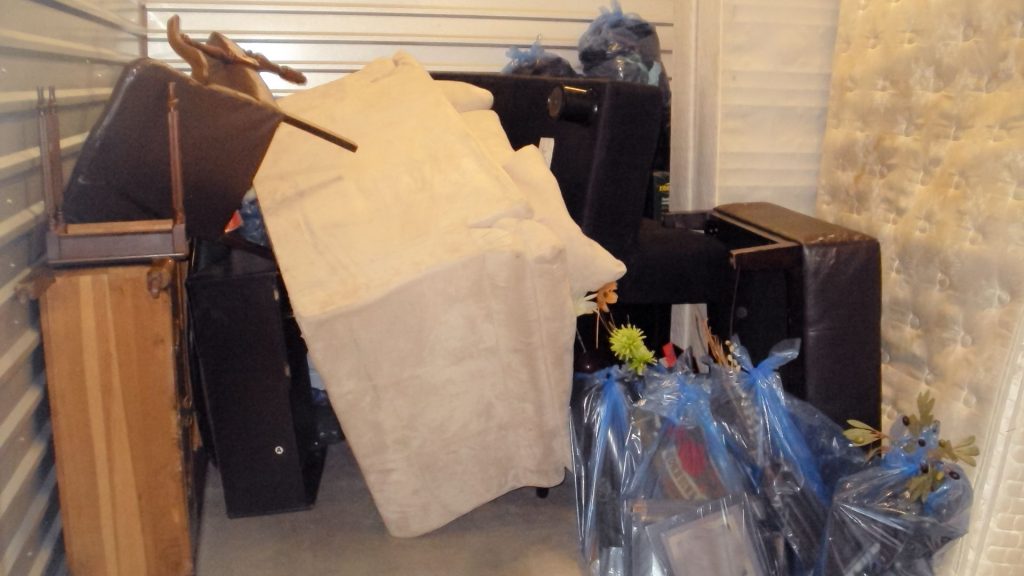
That second-hand loveseat from your college apartment, the bulky entertainment center that barely holds modern electronics, the dining table that seats ten but only ever hosts two. Furniture often survives multiple moves, outlasting its usefulness and style. It’s heavy, it’s awkward, and it’s easy to ignore until you start to feel like your own home is working against you.
Just because something once made sense doesn’t mean it still does. Your lifestyle today might call for more open space, multifunctional furniture, or just fewer pieces in general. Holding onto pieces just because they were expensive or difficult to move before can trap you in a layout that no longer supports your life. Letting go of unneeded furniture is more than a style update—it’s a quality of life decision. Make space for furniture that fits your body, your needs, and your flow.
Storage Boxes That Never Get Opened
Those plastic totes in the garage. The cardboard boxes under the stairs. The bins you taped shut five years ago and promised to sort later. Storage boxes create the illusion of organization but often serve as black holes for things you never want to deal with. Just because it’s out of sight doesn’t mean it’s not weighing you down. Unopened boxes aren’t preserving memories—they’re avoiding decisions.
Digging into those boxes may feel like opening a time capsule, but you’ll likely find that what’s inside holds little value today. If something’s been sitting untouched for multiple seasons—or worse, multiple years—chances are it’s not essential. One by one, open them. Reclaim their contents or let them go. You’ll gain not just space, but freedom. And in that freedom, you reclaim control over your environment, one forgotten bin at a time.
Conclusion
Making room in your home starts with the courage to question what deserves to stay. It’s not about throwing everything out—it’s about choosing what truly supports the life you want to lead. From forgotten boxes to broken gadgets, every discarded piece creates a clearer path forward.
If you’re ready to tackle the heavy lifting, reach out to Done Right Haul Away in Maryville. Call 865-236-0101 or email zach@donerighthaulaway.com to schedule the help you need. Your home has waited long enough to feel like yours again.