
Clearing out a home after an estate sale requires careful planning to ensure the process runs smoothly. Begin by taking inventory of items left behind, separating those that can be donated, recycled, or discarded. This step allows for a more organized approach, reducing the chances of overlooking valuable or hazardous items. Establishing a timeline and allocating enough time for each room helps to avoid feeling overwhelmed. Planning also includes gathering the necessary equipment such as boxes, bags, and protective gear for handling large or fragile items.
Proper planning allows the team or family members involved to work efficiently without duplicating efforts. It also ensures that any sentimental items can be handled with care and possibly set aside for family members. Considering the logistics of disposal, including hauling and transportation of bulky items, is essential for a successful clearance. By taking these preparatory steps, the process becomes less stressful and more controlled, paving the way for a thorough and thoughtful home clearing that respects both the space and the belongings left behind.
Sorting and Categorizing Leftover Items
After an estate sale, sorting items into categories is crucial for a streamlined clearance. Items should be grouped into keep, donate, recycle, and discard piles. This categorization helps identify which belongings still hold value and which should be removed immediately. It is also important to recognize any items that may require special disposal methods, such as electronics or hazardous materials. By having clear categories, the process becomes more manageable and avoids unnecessary trips to disposal sites.
Sorting also provides an opportunity to preserve family heirlooms or items of sentimental value. Items suitable for donation can support local charities, while recyclables help reduce environmental impact. Maintaining a systematic approach prevents confusion and ensures that items are appropriately handled. Clear labeling of boxes and bags also contributes to efficiency. This methodical sorting and categorizing ultimately saves time, reduces stress, and ensures that the home is cleared in a responsible and organized manner.
Handling Large and Bulky Items
Large furniture and bulky appliances present unique challenges during a home clearance. These items often require additional manpower or equipment to move safely without causing damage. Assessing the weight and fragility of each piece is essential to determine the safest way to handle them. Consider using dollies, straps, or moving blankets to protect both the items and the property. Strategic planning for moving large objects through narrow hallways or staircases is necessary to prevent accidents.
Proper handling of bulky items also minimizes the risk of personal injury and ensures that the clearance process stays on schedule. Disassembling furniture when possible can simplify transportation and make disposal more efficient. Working with a team allows for coordinated lifting and placement of these items. By addressing the challenges of large objects thoughtfully, the overall clearance becomes smoother, and the home can be prepared for final cleaning and any future renovations or occupancy with minimal disruption.
Managing Hazardous Materials
Estate sales often leave behind items that require careful handling due to their hazardous nature. Household chemicals, paints, cleaning agents, and certain electronics must be disposed of according to local regulations. Identifying these items early in the clearance process is crucial to prevent accidents and environmental harm. Segregating hazardous materials from general waste ensures safe transportation and disposal.
Proper management of hazardous materials also involves researching local drop-off sites or professional services equipped to handle dangerous substances. Personal protective equipment such as gloves and masks may be necessary during handling. Ensuring these items are treated responsibly protects both those performing the clearance and the surrounding community. Addressing hazardous materials with care upholds safety standards and helps maintain a clear and healthy environment within the home and during the disposal process.
Coordinating Donations and Recycling
After an estate sale, items that are still useful but no longer needed can be donated or recycled. Coordination with local charities and recycling centers is essential to maximize the value of these items while reducing waste. Establishing a plan for pickups or drop-offs prevents clutter from accumulating and ensures that items reach the appropriate recipients promptly. Efficient coordination helps minimize trips and maximizes the benefit to both the community and the environment.
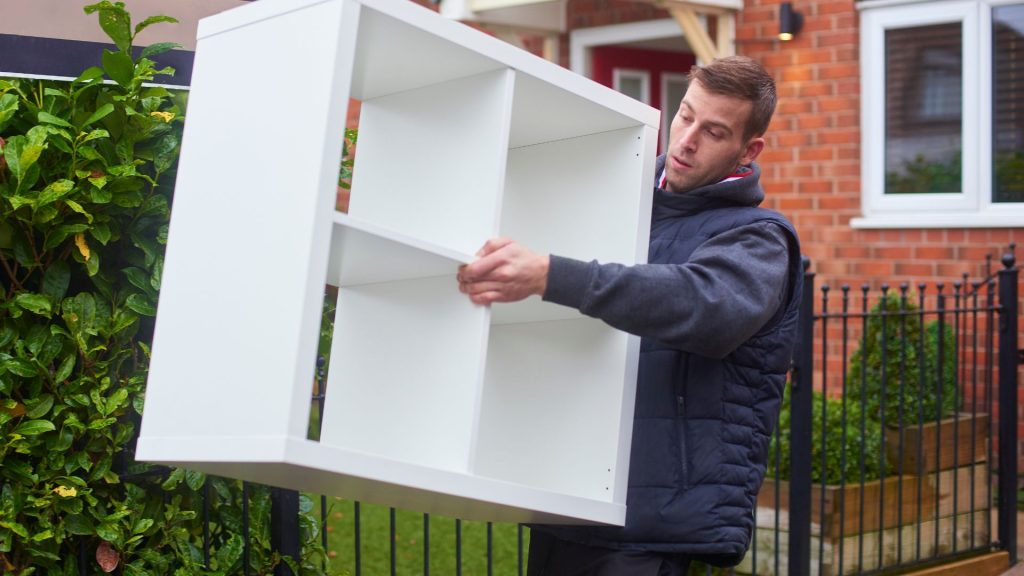
Donating usable furniture, clothing, or household goods can support families in need, while recyclables such as metal, glass, and electronics can be processed to reduce landfill impact. Keeping accurate records of donated items may also help with tax deductions if applicable. Thoughtful coordination of donations and recycling promotes responsible disposal and provides a meaningful conclusion to the estate clearance, transforming excess belongings into positive contributions rather than unnecessary waste.
Cleaning and Preparing the Home
Once items have been removed, the home should undergo a thorough cleaning to prepare it for new occupants or sale. Dusting, sweeping, and disinfecting surfaces ensures that the property is presented in the best possible condition. Attention to detail in areas such as kitchens, bathrooms, and storage spaces enhances the overall appearance and functionality of the home. Cleaning also helps identify any maintenance issues that may need attention before the property changes hands.
A clean and organized home reflects professionalism and care during the clearance process. It also reduces lingering odors and makes the space more inviting. Deep cleaning carpets, windows, and floors can significantly improve the perception of the property. Preparing the home in this way contributes to a smooth transition for new occupants, whether for sale, rental, or personal use, and ensures that the estate clearance process is both thorough and respectful to all parties involved.
Working with Professional Junk Removal Services
Hiring professional junk removal services can greatly simplify the process of clearing a home after an estate sale. Experienced teams bring expertise, equipment, and manpower necessary to handle large volumes of items efficiently. Professionals can quickly sort, load, and transport unwanted belongings, reducing the physical and emotional burden on family members. This partnership also ensures that items are disposed of in compliance with local regulations.
Professional services offer flexibility and tailored solutions to meet specific needs, whether removing oversized furniture or managing hazardous materials. Their experience in navigating logistical challenges saves time and prevents property damage. Engaging with reliable junk removal experts guarantees that the home is cleared responsibly and swiftly, allowing families to focus on transitioning to new living arrangements or finalizing estate matters without unnecessary stress or delays.
Ensuring Legal and Ethical Disposal
Proper disposal of estate items must follow legal and ethical guidelines. Understanding local waste management rules and regulations helps prevent fines or penalties. Items such as electronics, batteries, and certain chemicals require specific disposal methods, and ignoring these regulations can have environmental consequences. Following ethical practices also includes donating usable goods instead of discarding them unnecessarily.
Legal compliance and ethical disposal demonstrate responsibility and respect for the community. It ensures that hazardous or valuable items are not improperly discarded. Proper documentation of disposal and donation can provide peace of mind and accountability for all parties involved. By prioritizing legal and ethical standards, the estate clearance process becomes more organized, sustainable, and socially responsible, reflecting thoughtful consideration of both the property and its impact on the wider environment.
Storing and Transporting Items Safely
Transporting items during a home clearance requires attention to safety for both the belongings and the people handling them. Proper packing techniques, such as using sturdy boxes, padding, and secure straps, protect fragile and valuable items. Loading vehicles strategically minimizes the risk of damage and allows for efficient transport to disposal sites, recycling centers, or donation facilities. Planning the route and timing can further enhance safety and efficiency.
Safe storage may also be necessary for items that cannot be immediately donated or disposed of. Designating a secure space and keeping items organized ensures they remain in good condition. Following these practices reduces the chance of accidents and protects the integrity of the items being cleared. Prioritizing safety during storage and transportation guarantees a smoother clearance process, preserving both property and belongings throughout the transition.
Final Walkthrough and Property Review
Conducting a final walkthrough ensures that no items are left behind and that the home is thoroughly cleared. Inspect each room carefully, checking closets, storage areas, and hidden spaces for overlooked belongings. Confirm that hazardous materials have been safely removed and that all donated or recyclable items are accounted for. A systematic review guarantees that the property is ready for its next phase, whether for sale, rental, or personal use.
The final walkthrough also provides an opportunity to document the condition of the property and address any last-minute cleaning or repairs. This step ensures peace of mind for both family members and any professionals involved in the clearance. Completing the property review marks the conclusion of a well-organized estate clearance, leaving the home prepared for new occupants and ensuring a smooth transition that respects the wishes and legacy of those involved.
Conclusion
Clearing a home after an estate sale can be overwhelming without proper planning and support. By following a structured process that includes sorting, handling large and hazardous items, coordinating donations, and ensuring proper disposal, the task becomes more manageable and organized. Working with professional junk removal services can save time, reduce stress, and ensure that items are removed responsibly while adhering to local regulations. Paying attention to cleaning, safety, and proper storage completes the process and leaves the property ready for its next chapter.
For residents of Maryville seeking reliable and efficient assistance, Done Right Haul Away offers comprehensive junk removal services designed to handle estate cleanouts of any scale. Their team is trained to manage large items, hazardous materials, and donations with care and professionalism. Contacting Done Right Haul Away at 865-236-0101 ensures that the home clearance is handled smoothly, responsibly, and efficiently, allowing families to focus on moving forward while knowing that every detail has been properly addressed.