
A warehouse cleanout goes far beyond sweeping floors and organizing shelves. It is a vital process that can transform an unproductive and cluttered space into a well-functioning work environment. When items are scattered or outdated equipment blocks workflow, productivity drops and safety risks rise. A thorough cleanout allows managers to identify unused inventory, broken tools, and outdated materials that drain valuable storage capacity. Planning ahead ensures that every square foot is used wisely, supporting smoother daily operations and faster order fulfillment.
The most successful cleanouts start with clear goals and a mapped-out plan of action. Team leaders should outline zones within the warehouse to tackle in sequence, starting with the most congested areas. Taking the time to schedule disposal services or recycling pickups before beginning ensures that no time is wasted once sorting begins. By the end of a proper cleanout, what remains is a space that breathes efficiency—ready to handle new demands with precision and clarity.
Sorting and Categorizing for Better Space Utilization
Sorting is the backbone of an effective warehouse cleanout. Without an organized method, valuable time is lost shuffling through piles of mixed items. The key is to create categories that reflect the needs of the operation—keep, relocate, recycle, or discard. As items are sorted, it becomes easier to see patterns in what is being wasted or what could be repurposed elsewhere. A structured sorting approach not only clears out physical clutter but also reveals inefficiencies in inventory management.
Once categories are defined, labeling and storage placement follow naturally. Clear signage and consistent labeling prevent future confusion and promote ongoing organization. Workers can find what they need quickly, reducing downtime during busy hours. This simple yet powerful method supports long-term efficiency, transforming what once felt like an overwhelming cleanup into a sustainable improvement. With everything categorized, the warehouse feels less chaotic, giving employees a stronger sense of order and focus.
Managing Waste Disposal Responsibly
Warehouse cleanouts often uncover vast amounts of waste—everything from broken pallets and obsolete equipment to old packaging materials. Handling this waste responsibly is a critical part of maintaining an environmentally conscious operation. Simply dumping everything into a landfill isn’t just harmful; it’s costly in the long run. Instead, businesses benefit by identifying recyclable materials such as metal, wood, and cardboard that can be processed through local recycling facilities. Hazardous materials, on the other hand, must be handled according to safety regulations to avoid fines or health risks.
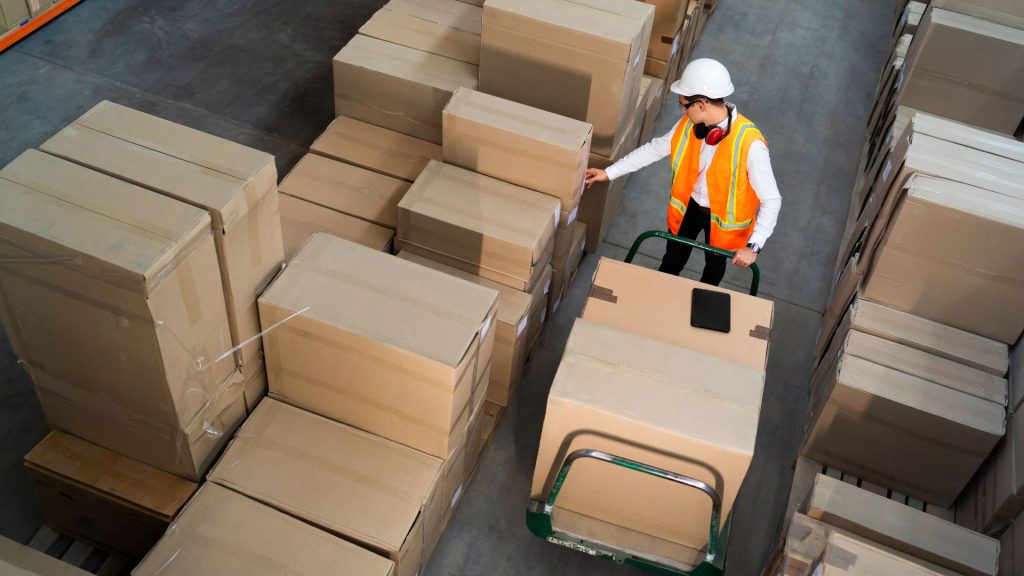
Partnering with professional disposal services ensures that every piece of junk is managed appropriately. This collaboration saves time while maintaining compliance with environmental laws. Responsible waste handling also strengthens a company’s reputation as an eco-friendly operation, something customers and partners increasingly value. A clean, sustainable approach to disposal not only clears physical space but reinforces a company’s commitment to responsibility and progress.
Enhancing Workflow Through Strategic Layout Adjustments
Once a warehouse has been cleared of excess materials, it becomes the perfect opportunity to rethink the layout. The placement of shelves, workstations, and equipment directly affects the speed and safety of operations. A disorganized layout can force workers to travel longer distances or make unnecessary movements that slow productivity. Evaluating the flow of materials from receiving to shipping helps identify bottlenecks that can be eliminated through rearrangement.
Creating clear pathways and logical storage zones simplifies daily tasks. High-demand items should be positioned near processing or loading areas, while rarely used supplies can be stored further back. These layout adjustments enhance both accessibility and efficiency, making it easier for teams to complete tasks with fewer errors. When a warehouse functions in harmony with its workflow, it not only saves time but boosts morale by reducing frustration and confusion among employees.
Maintaining Safety During the Cleanout Process
A warehouse cleanout can easily turn hazardous if safety isn’t prioritized. With heavy lifting, machinery movement, and debris removal all happening simultaneously, the risk of accidents increases. Before starting, supervisors should ensure that all team members have proper safety gear, including gloves, helmets, and visibility vests. Clear communication about the day’s objectives and designated work zones prevents misunderstandings that can lead to injury.
Establishing safety checkpoints during the cleanout keeps the team alert and organized. Designated walkways and clearly marked hazard zones reduce confusion and accidents. Additionally, damaged flooring or unstable shelving should be addressed immediately to prevent future issues. Safety during a cleanout isn’t just about compliance—it’s about protecting the workforce and ensuring that everyone returns home unharmed at the end of the day. A safe team works faster and with greater confidence, driving the entire operation toward success.
Incorporating Technology to Simplify Cleanouts
Technology has become a key player in modern warehouse management, and cleanouts are no exception. Using digital tools like inventory tracking software and barcode scanners streamlines the identification and categorization of stored items. Instead of relying on guesswork, workers can instantly verify quantities, product ages, or stock status. This data-driven approach reveals hidden inefficiencies, helping managers make smarter decisions about what to keep and what to remove.
Beyond organization, technology can assist in scheduling and logistics. Cloud-based systems allow teams to coordinate tasks, track progress, and manage disposal pickups in real time. This eliminates the chaos of manual scheduling and ensures accountability throughout the cleanout process. Embracing these tools not only improves efficiency but also reduces the stress associated with large-scale cleanouts. The result is a smoother workflow and a warehouse that feels updated, connected, and capable of adapting to new challenges.
Reclaiming Valuable Storage Space
One of the most satisfying outcomes of a warehouse cleanout is discovering how much space was being wasted. Over time, unused equipment, outdated supplies, and forgotten inventory take up areas that could serve a much greater purpose. A cleanout reveals this hidden potential, allowing managers to reimagine how the warehouse can better support operations. Once clutter is removed, there’s room for expansion, better organization, and safer working conditions.
Reclaimed space can be converted into efficient work zones or reserved for future growth. Open, organized areas also improve air circulation and lighting, creating a more pleasant environment for employees. This transformation not only boosts productivity but also signals a shift toward efficiency and care in business operations. The more intentional the use of warehouse space, the more agile and adaptable the business becomes—ready to meet the needs of customers without unnecessary delay.
Reducing Downtime During the Cleanup
A major concern during warehouse cleanouts is minimizing downtime. Every hour the facility isn’t fully operational can affect productivity and revenue. The key to avoiding disruption lies in planning around workflow patterns. Scheduling cleanouts during slower periods or outside of peak hours prevents interference with shipping and receiving. Some companies choose to clean in phases, closing only one section at a time to maintain operations elsewhere.
Communication between management and staff is vital during this process. When everyone knows the timeline and understands their role, the cleanup proceeds faster and with fewer errors. Tools and materials needed for sorting and disposal should be prepared in advance to avoid unnecessary delays. Through careful coordination, downtime can be kept to a minimum while ensuring the space is properly cleared. A cleanout executed this way reinforces discipline and efficiency across all levels of the organization.
Keeping the Warehouse Clean Long After the Cleanup
Completing a warehouse cleanout is an achievement—but maintaining that cleanliness is an ongoing effort. Without a consistent plan, clutter can return just as quickly as it was removed. Establishing regular maintenance schedules keeps everything under control. Designating a team or assigning weekly checks prevents small messes from becoming overwhelming again. The key is to make cleanliness part of the warehouse culture rather than an occasional project.
Encouraging staff participation ensures that everyone feels responsible for maintaining order. Simple habits, such as returning tools to their proper places or labeling items as soon as they arrive, make a huge difference over time. When maintenance becomes second nature, the warehouse remains organized and functional year-round. A clean, orderly space not only improves efficiency but also reduces stress and enhances the professional image of the business as a whole.
Evaluating Cleanout Results for Future Improvements
After the dust settles, taking time to evaluate the results of a warehouse cleanout offers valuable insight. Reviewing the process helps identify what worked and what didn’t, guiding future efforts toward even greater efficiency. Tracking metrics like recovered storage space, reduced retrieval times, and lower waste disposal costs paints a clear picture of the benefits. These findings provide evidence to support future investments in better storage systems or upgraded equipment.
Gathering feedback from employees involved in the cleanout is equally important. Their firsthand experience can reveal challenges or opportunities that management may overlook. Continuous improvement relies on this kind of honest assessment. By treating the cleanout as an ongoing learning opportunity, businesses can refine their approach and maintain peak performance. A thoughtful evaluation turns a one-project into a long-term strategy for productivity and success.
Conclusion
A successful warehouse cleanout is not just about clearing space—it’s about creating an environment that supports productivity, safety, and growth. Each step, from sorting and planning to reorganizing and maintaining, contributes to a stronger and more efficient operation. When a warehouse functions with clarity and structure, the entire workflow benefits, and employees can perform their tasks with greater ease. Cleanouts remind businesses that order is not just a luxury; it’s a powerful foundation for progress.
For those looking to simplify the process and ensure every step is handled efficiently, reaching out to a trusted local service makes all the difference. Done Right Haul Away in Maryville offers professional junk removal solutions designed to keep your facility running smoothly while minimizing downtime. Their experienced team takes care of the heavy lifting so you can focus on operations that matter most. Call 865-236-0101 today to schedule a cleanout that transforms your warehouse into a space built for long-term success.