
Commercial properties produce a surprising amount of waste. Offices cycle through old equipment, warehouses deal with damaged stock, and retail stores constantly rotate outdated displays. This accumulation builds up silently until it begins to occupy valuable space and interrupt productivity. Knowing the full scope of what qualifies as commercial junk is the first step in tackling the problem effectively. It’s not just the large items like desks and shelving units—paper clutter, packaging materials, and electronic waste can pile up faster than expected.
By assessing where and how waste originates, businesses can identify patterns that help them minimize future clutter. Setting up designated collection zones, creating disposal schedules, and keeping inventory records prevent chaos from creeping back in. A business that understands its waste output can act preemptively rather than reactively, leading to smoother operations and a cleaner workspace that encourages efficiency and organization.
Planning Ahead for Junk Removal Projects
Commercial junk removal isn’t something to handle on a whim. It requires structure and foresight, especially when dealing with large facilities or time-sensitive schedules. Planning ensures that operations remain uninterrupted while unwanted materials are efficiently cleared. Before the process begins, it’s best to identify which areas need attention, determine the scale of the task, and schedule it during slower business hours to minimize disruption.
Setting goals for the cleanup can make a massive difference. Whether it’s reclaiming storage space or improving workflow, clarity helps maintain focus throughout the removal process. Communication across departments also plays a role in keeping things organized. When everyone understands what’s being discarded and what’s staying, there’s less confusion and a lower chance of mistakes. A well-planned junk removal project not only clears the clutter but helps build habits that keep workspaces cleaner in the long run.
Sorting and Categorizing Junk for Efficiency
The process of sorting junk may not sound exciting, but it’s one of the most important steps in efficient commercial cleanup. Many businesses make the mistake of tossing everything into one pile, only to realize later that valuable or recyclable materials were lost in the process. By separating items into categories—like recyclables, reusable goods, electronics, and hazardous waste—companies save time and money during disposal.
Organized sorting also supports sustainable practices. Recyclable materials such as metal, cardboard, and plastic can be redirected to proper facilities instead of ending up in landfills. In addition, businesses can sometimes repurpose or donate items still in good condition. This not only reduces environmental impact but also enhances a company’s reputation for responsible operations. A clear sorting system streamlines removal, allowing teams to move through spaces faster while maintaining compliance with local disposal regulations.
Reducing Junk Through Smarter Purchasing Decisions
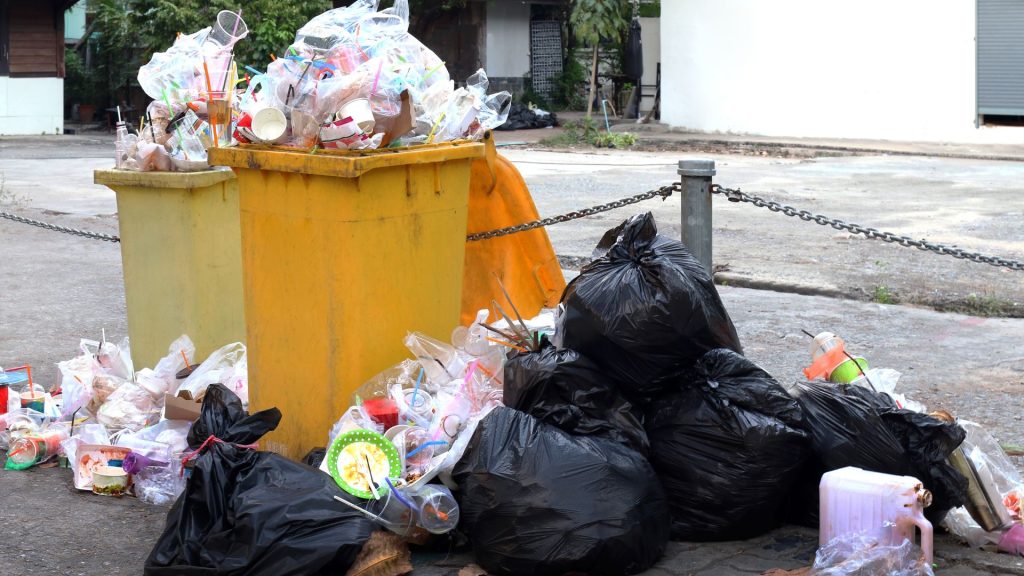
One of the best ways to control commercial junk is to stop it from accumulating in the first place. Many businesses inadvertently create their own clutter by over-purchasing supplies, storing broken or outdated equipment, or failing to track inventory properly. Smarter buying decisions start with understanding what the company truly needs. Keeping accurate records of stock levels prevents unnecessary duplication and reduces the waste of expired or unused materials.
Investing in quality rather than quantity can also have long-term benefits. Durable furniture, equipment, and fixtures last longer and reduce the need for constant replacements. Additionally, encouraging employees to adopt minimalist practices—like digitizing files instead of printing them—helps limit paper waste. Every purchasing decision should factor in not just the cost but also the long-term storage and disposal implications. A thoughtful approach to procurement keeps workspaces organized and waste under control.
Coordinating Large-Scale Cleanouts Safely
When dealing with large-scale junk removal, safety should always come first. Commercial spaces can contain heavy items, sharp debris, and hazardous materials that require proper handling. Rushing through the process without safety precautions can lead to injuries or property damage. Before beginning, it’s crucial to assess potential risks and ensure that protective gear is available for anyone involved. Proper lifting techniques, clear walkways, and stable loading areas reduce accidents and keep operations smooth.
For sizable projects, having a structured system for moving and loading items makes all the difference. Designating a clear path for removal and organizing teams by task helps avoid confusion. If equipment like forklifts or trolleys is being used, operators must be trained and alert. Safety signage and communication among staff prevent mishaps and maintain productivity throughout the cleanup. A safe junk removal process protects both employees and property while delivering a more efficient outcome.
Managing Electronic and Hazardous Waste Responsibly
Electronic waste presents unique challenges in commercial junk removal. Old computers, printers, and batteries can contain hazardous materials that shouldn’t end up in landfills. Responsible disposal means ensuring these items are handled according to environmental guidelines. Partnering with recycling centers that specialize in e-waste helps prevent harmful substances from contaminating soil and water. It also allows reusable components, like metal and glass, to be recovered and repurposed.
Hazardous materials, including cleaning chemicals, fluorescent bulbs, and paints, require equally careful attention. These substances can pose serious health risks if not managed properly. Businesses should maintain clear records of what’s being discarded and follow local regulations for disposal. By treating hazardous waste as a priority rather than an afterthought, companies protect their employees, communities, and the environment. Responsible waste management is not only ethical but also a sign of a well-run, conscientious business.
Implementing a Recycling and Donation Strategy
Not all junk is destined for the dump. Many commercial items can find new life through recycling or donation. Developing a structured system that identifies reusable goods benefits both the environment and the community. Furniture, office supplies, or lightly used electronics might still hold value for local organizations or schools. Donation programs transform what would have been wasted into resources for others.
Recycling complements this approach by ensuring materials like cardboard, metal, and glass are repurposed effectively. When businesses make recycling part of their regular operations, waste reduction becomes a shared responsibility rather than a one-time event. Posting reminders near disposal areas, labeling bins clearly, and tracking recycling progress can help sustain long-term habits. A thoughtful recycling and donation plan not only clears out clutter but reinforces a company’s commitment to sustainability and community engagement.
Scheduling Regular Maintenance and Waste Audits
Dealing with commercial junk isn’t a one-time task—it’s an ongoing responsibility. Regular maintenance and waste audits help businesses stay ahead of clutter before it grows into a problem. By scheduling consistent reviews, companies can identify which departments generate the most waste and adjust accordingly. These audits provide insights that lead to smarter storage solutions and better waste-handling procedures.
Routine cleanups also keep spaces organized and professional. When employees see that management prioritizes cleanliness, they’re more likely to maintain it themselves. It becomes part of the workplace culture rather than a forced obligation. Setting aside time for monthly or quarterly reviews prevents buildup, boosts morale, and keeps operations flowing smoothly. A proactive approach ensures that commercial junk remains manageable and never disrupts the rhythm of daily business.
Leveraging Professional Junk Removal Services
Sometimes, the sheer volume or complexity of commercial junk requires expert help. Professional junk removal teams come equipped with the tools, trucks, and knowledge to handle everything efficiently. They know how to sort, lift, and haul away materials without disrupting operations or violating disposal laws. Hiring professionals also saves time—employees can stay focused on their work while specialists handle the cleanup.
Beyond convenience, professionals bring a level of precision that ensures nothing is overlooked. They understand how to navigate tight spaces, remove bulky items safely, and dispose of waste responsibly. Partnering with a trusted service provides peace of mind, knowing that the job will be completed efficiently and in compliance with local regulations. This approach transforms an overwhelming task into a streamlined, stress-free process that benefits the entire organization.
Creating Long-Term Waste Management Policies
To keep junk from returning, companies should establish clear, enforceable waste management policies. These guidelines define how materials are handled from the moment they enter the building until their eventual disposal. Policies may include designated recycling zones, labeling systems, and clear instructions for handling specific types of waste. The goal is to make responsible disposal a routine part of everyday operations.
Training employees on these standards ensures consistency across the board. Everyone from warehouse workers to office staff should understand their role in maintaining a clutter-free environment. When policies are reinforced through regular communication and leadership support, they become ingrained in the company culture. Over time, waste reduction becomes second nature—transforming once-cluttered workspaces into organized, efficient environments where productivity thrives.
Conclusion
Dealing with commercial junk doesn’t have to be a burden. With proper planning, organization, and commitment, businesses can turn cluttered spaces into efficient, well-managed environments that reflect professionalism and care. Each step—from sorting and recycling to hiring professionals—plays a role in maintaining long-term cleanliness and operational efficiency. Keeping a proactive mindset ensures waste never becomes overwhelming again.
For those seeking dependable support in maintaining a cleaner commercial space, Done Right Haul Away in Maryville offers expert junk removal solutions tailored to business needs. Their team understands the demands of large-scale cleanouts, providing reliable service with respect for both time and safety. Reach out today at 865-236-0101 to experience a smarter, cleaner way to handle commercial junk and keep your business environment running smoothly.