
Before any warehouse cleanout can officially begin, a thorough assessment sets the stage for success. Professionals typically start by evaluating the layout, identifying problem zones, and noting the types of materials that need to be removed. Old equipment, broken shelving, or stacks of unused packaging can quickly add up, making it vital to create a clear removal plan. This early evaluation helps determine whether heavy machinery, dumpsters, or sorting systems are required to handle the workload efficiently. Every corner of the space—from storage racks to loading docks—gets reviewed to avoid surprises once the cleanout starts.
This stage also helps uncover potential hazards that may slow down progress. Leaks, exposed wiring, or unstable structures can pose safety risks during removal. By addressing these issues first, teams ensure a smoother operation. A proper assessment not only saves time but also prevents unnecessary delays that often occur when clutter hides key structural or operational concerns. It’s the foundation that transforms a chaotic space into an organized environment ready for streamlined use.
Sorting and Categorizing Warehouse Items
Sorting is often the most time-consuming yet essential part of a warehouse cleanout. Once everything is pulled from shelves and storage areas, the challenge becomes deciding what stays, what goes, and what can be recycled or donated. Every item is categorized based on condition and use. Broken machinery might be sent for metal recycling, while outdated packaging materials could be repurposed or discarded responsibly. Proper sorting keeps reusable items from ending up in landfills unnecessarily and makes the entire cleanout more environmentally responsible.
During this phase, precision and patience are key. Sorting also reveals inefficiencies that may have gone unnoticed—duplicate stock, expired goods, or forgotten supplies hiding behind newer inventory. When workers see how much unnecessary material has piled up, it often changes how they manage space in the future. By the end of sorting, what remains is a clearer picture of the warehouse’s true operational potential.
Efficient Removal of Junk and Debris
After sorting, the next phase centers on junk and debris removal. This is where heavy lifting, hauling, and disposal begin. Large items like pallets, machinery, or broken furniture require specialized tools and trucks designed to handle significant weight and volume. Removal experts move through the space systematically, ensuring that walkways remain clear while materials are safely transported outside. This process not only frees up valuable square footage but also improves safety by eliminating tripping hazards and unstable piles.
Efficiency matters most here. A well-coordinated cleanout ensures that debris is removed quickly without disrupting adjacent operations. Teams often work in sections, tackling one zone at a time to maintain order. Whether it’s discarded electronics or general waste, each item is handled according to disposal regulations. Once the junk is gone, the warehouse begins to reveal its original structure and usability—clean floors, open aisles, and unobstructed shelving ready for better organization.
Deep Cleaning and Sanitization After Junk Removal
Once debris has been cleared, the next focus turns to deep cleaning and sanitization. Dust, grime, and residue left behind from years of storage can accumulate in corners, vents, and along walls. Using industrial-grade cleaning agents and equipment, workers tackle everything from floor polishing to disinfecting surfaces. This phase restores the warehouse’s hygiene level, ensuring a safer and healthier environment for employees and inventory. Clean floors prevent slips, while sanitized workspaces help maintain product quality and reduce contamination risks.
A clean space also boosts morale. Employees tend to feel more motivated and productive in a refreshed environment. Deep cleaning can reveal maintenance issues like cracked flooring or small leaks that were once hidden under piles of debris. Addressing these problems early prevents costly repairs later. The transformation from cluttered and dusty to spotless and orderly often marks the true turning point in any warehouse cleanout project.
Recycling and Sustainable Disposal Practices
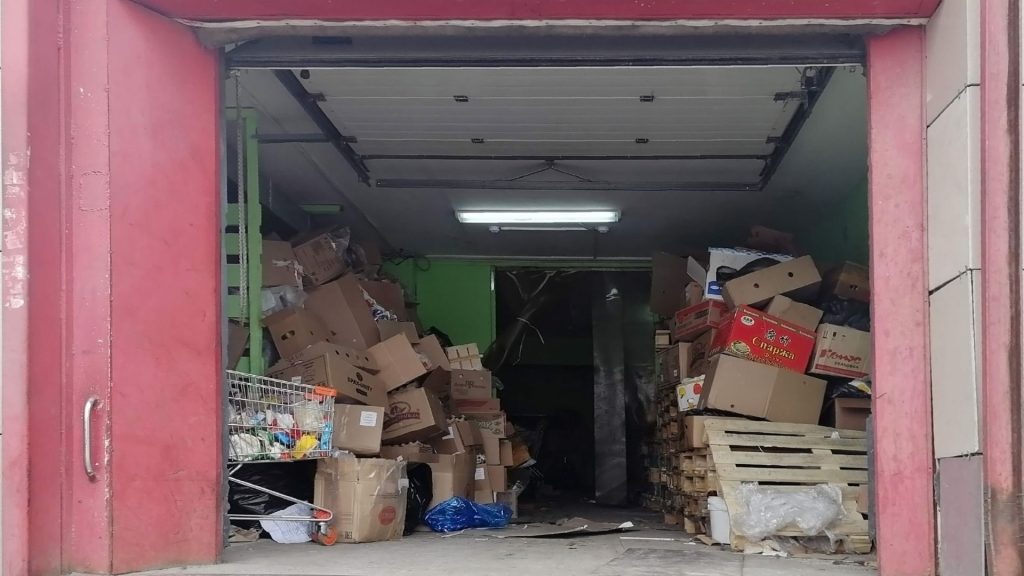
Modern warehouse cleanouts are about more than just removal—they’re about responsibility. Recycling plays a crucial role in minimizing environmental impact. Materials like metal, cardboard, and plastic can be processed and reused, reducing waste volume significantly. Professional cleanout services often partner with local recycling facilities to ensure these materials are handled properly. Electronics and machinery, in particular, require special disposal to comply with safety and environmental laws.
Sustainable practices also build a positive business reputation. Companies that prioritize eco-friendly disposal methods demonstrate accountability and care for their community. It’s not just about clearing space; it’s about doing so thoughtfully. By choosing recycling and responsible hauling, warehouses reduce landfill waste and promote greener operations. Every recycled pallet or reclaimed piece of scrap metal contributes to a cleaner future while keeping the workspace organized and functional.
Handling Hazardous or Special Waste Materials
Warehouses often house materials that require special handling—chemicals, batteries, or industrial waste. Removing these safely demands specific expertise and compliance with local and federal guidelines. Trained teams identify hazardous items during the inspection phase and isolate them for separate disposal. This step ensures that no harmful substances contaminate the environment or pose risks to workers during the cleanout. Proper labeling, containment, and transport are vital in this process.
Beyond safety, managing special waste responsibly protects a business’s reputation. Mishandling dangerous materials can lead to costly fines and environmental damage. Partnering with professionals who understand how to dispose of these substances correctly ensures peace of mind. Once hazardous waste is safely removed, the warehouse becomes a safer and more compliant workspace, setting the stage for smoother daily operations and future inspections.
Streamlining Warehouse Organization Post-Cleanout
After removal and cleaning, organization becomes the focus. Empty shelves and open floor space present an opportunity to rethink layout efficiency. Teams often redesign storage zones to promote better workflow and accessibility. Heavy items may be placed closer to loading docks, while frequently used supplies are relocated for quick retrieval. This reorganization not only maximizes space but also boosts productivity by reducing unnecessary movement.
A thoughtfully arranged warehouse also helps maintain cleanliness long-term. When each item has a designated place, clutter is less likely to reappear. Many businesses take this opportunity to implement inventory tracking systems or labeling methods that further streamline daily operations. The transformation from disorganized chaos to systematic order marks the cleanout’s lasting impact—creating a warehouse that supports growth rather than hindering it.
Minimizing Downtime During the Cleanout Process
For businesses, time is money. Minimizing downtime during a warehouse cleanout is crucial to maintaining productivity. Professionals coordinate schedules to ensure that removal work aligns with off-hours or slower business periods. Some cleanouts occur in phases to allow ongoing operations to continue in unaffected sections. Clear communication between teams ensures that employees know which areas are being worked on and when.
Strategic planning prevents disruptions and keeps business running smoothly. Proper timing, combined with experienced crews, ensures efficiency without cutting corners. The goal is a seamless transition from cluttered to clean without major interruptions. This proactive approach keeps projects on schedule while allowing companies to stay focused on their operations—a balance that defines a well-executed warehouse cleanout.
The Benefits of a Professionally Managed Cleanout
While it might seem possible to handle a warehouse cleanout independently, professional assistance often makes a world of difference. Experts bring not just manpower but also the right tools, vehicles, and disposal knowledge to complete the task effectively. They understand how to handle bulky, heavy, or potentially hazardous materials safely and swiftly. Their experience streamlines each step, reducing both stress and overall costs in the long run.
Professionally managed cleanouts also ensure compliance with disposal laws, recycling standards, and safety protocols. Businesses can focus on their operations instead of worrying about logistics or waste handling. Beyond convenience, this approach guarantees that the warehouse is restored to optimal condition faster, with fewer risks and better long-term organization. It’s a smart investment in safety, efficiency, and operational readiness.
Maintaining a Clutter-Free Warehouse After the Cleanout
The real challenge begins after the warehouse cleanout—keeping it organized. Implementing a regular maintenance plan prevents clutter from building up again. Establishing routine inspections, scheduled waste pickups, and strict inventory management can make a huge difference. Encouraging staff to follow consistent storage guidelines helps preserve the clean environment achieved through the cleanout.
Sustainability also comes into play here. Donating or recycling unused materials regularly prevents excess buildup. The key lies in maintaining discipline and making cleanliness part of the company culture. Over time, what was once an overwhelming task becomes second nature. A clean, well-organized warehouse not only operates more efficiently but also leaves a lasting impression on clients and employees alike.
Conclusion
A warehouse cleanout goes far beyond simple junk removal—it’s a full-scale transformation that restores order, safety, and productivity. From assessment to deep cleaning and organization, every stage plays a vital role in revitalizing an industrial space. Businesses that commit to this process often find themselves operating more efficiently, with better morale among staff and fewer disruptions caused by clutter. A well-executed cleanout sets the tone for smoother logistics and smarter inventory control moving forward.
For dependable junk removal and warehouse cleanout services, reach out to Done Right Haul Away in Maryville. Their team brings the right balance of professionalism, precision, and care to ensure every space is cleared safely and efficiently. When your warehouse needs more than just tidying up, call 865-236-0101 to experience how a truly thorough cleanout can redefine your workspace.