
Transforming Scrap Metal into Valuable Resources
Scrap metal removal plays a pivotal role in reducing the overwhelming tide of waste that burdens landfills and natural environments. When metals like aluminum, steel, and copper are carefully extracted from old appliances, construction debris, and other discarded items, they are diverted from the waste stream. This diversion not only prevents potentially harmful substances from contaminating soil and groundwater but also creates a pathway for these metals to re-enter manufacturing cycles. Instead of remaining as inert waste, these materials can be repurposed into new products, conserving natural resources and lessening the energy-intensive demand for virgin metal extraction. By participating in scrap metal removal, individuals and businesses alike can actively contribute to a more sustainable ecosystem while embracing the tangible benefits of recycling.
The process of scrap metal recovery encourages communities to recognize the latent value in what is often perceived as garbage. Items that once cluttered homes or industrial sites are transformed into usable raw materials. Recycling metals saves significant energy compared to traditional mining, leading to lower carbon emissions and a smaller ecological footprint. Furthermore, metal recovery fosters innovation within the recycling industry, prompting the development of smarter, more efficient methods to sort, process, and redistribute metal products. Through conscious participation in scrap metal removal, society shifts from a throwaway culture to one that prioritizes resource stewardship and long-term environmental health.
Reducing Landfill Overcrowding with Scrap Metal Recovery
One of the most pressing environmental challenges today is the rapid accumulation of waste in landfills. Scrap metal removal provides a practical solution by diverting substantial quantities of reusable material from these sites. Metals, unlike organic waste, do not decompose quickly, and if left uncollected, can occupy valuable landfill space for decades. By recovering these metals, communities alleviate pressure on landfills, prolonging their usability and reducing the need to carve out new disposal sites, which often disrupt local ecosystems. Each recovered piece contributes to a cleaner environment and a more efficient waste management system, underscoring the essential role of scrap metal removal in sustainable urban planning.
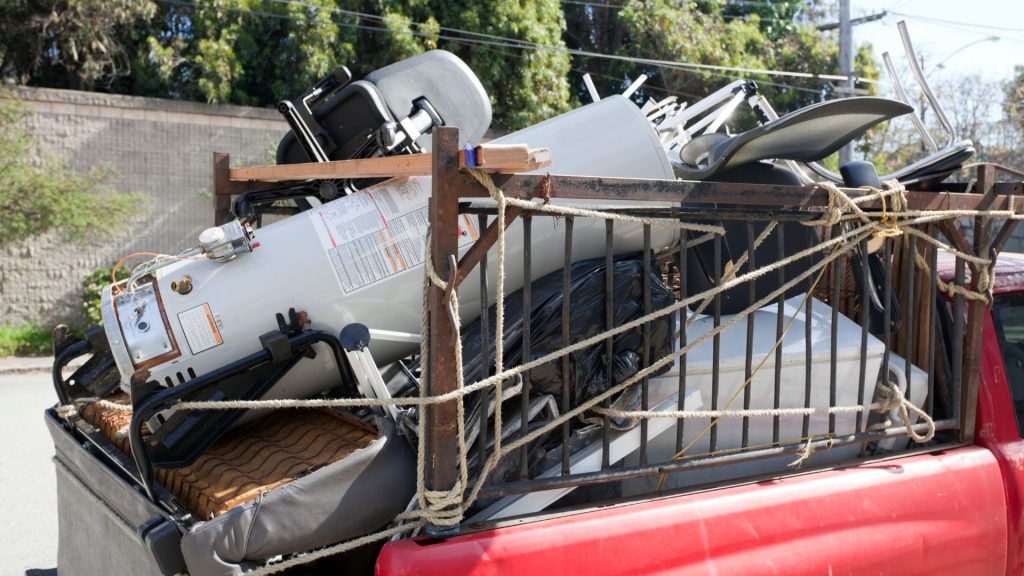
Beyond reducing physical space in landfills, recovering scrap metal also mitigates the environmental hazards associated with improper disposal. Metals can leach chemicals into surrounding soil and waterways if left unmanaged. By removing and recycling these materials, waste management efforts become safer and more environmentally responsible. Additionally, the diversion of scrap metals encourages local recycling programs to thrive, creating economic opportunities while fostering community awareness of environmental responsibility. The act of reclaiming and repurposing scrap metal ultimately transforms waste management from a reactive task into a proactive strategy for sustainability.
Energy Conservation through Metal Recycling
Recycling metals through scrap removal significantly reduces the energy required to produce new metal products. Extracting and processing virgin ores demands immense amounts of energy, often sourced from fossil fuels, which contributes to greenhouse gas emissions and climate change. In contrast, recycling recovered metals consumes a fraction of that energy, making the process a cornerstone of environmental efficiency. For example, recycling aluminum can save up to ninety percent of the energy needed to produce new aluminum from raw bauxite. This substantial energy saving exemplifies how scrap metal removal not only mitigates waste but also promotes sustainable energy practices on a broader scale.
Moreover, energy conservation in metal recycling has a cascading effect on industrial operations. By utilizing recycled metals, manufacturers can reduce operational costs and environmental impact simultaneously. This synergy reinforces the importance of scrap metal removal as part of a circular economy, where materials remain in use for as long as possible. Communities that actively participate in scrap metal recovery witness a reduction in energy demand and pollution, demonstrating how individual actions contribute to systemic environmental benefits. The commitment to recycling metal serves as a practical, high-impact approach to conserving energy while addressing the global waste challenge.
Supporting Circular Economy Principles
Scrap metal removal is a vital component of the circular economy, a model designed to keep materials in continuous use while minimizing waste. Metals recovered from old products are reintroduced into manufacturing, closing the loop between consumption and production. This system reduces the reliance on finite natural resources and encourages sustainable industrial practices. Unlike a linear economy, where items are discarded after a single use, the circular economy values the persistent utility of materials, and scrap metal removal embodies this philosophy. By actively participating in metal recovery, communities contribute to economic resilience while protecting the environment from the cumulative impact of resource extraction.
The circular economy also benefits local economies by creating jobs in collection, sorting, processing, and distribution of recycled metals. This economic stimulation is coupled with tangible environmental gains, such as reduced mining, lower emissions, and minimized waste. Scrap metal removal enables these dual advantages, blending ecological responsibility with economic pragmatism. Additionally, businesses that integrate recycled metals into production showcase leadership in sustainability, inspiring others to adopt eco-friendly practices. Overall, scrap metal recovery exemplifies how environmental initiatives can align with economic goals, fostering a culture of resource mindfulness and circular thinking.
Reducing Pollution through Responsible Disposal
Scrap metal removal directly combats pollution associated with improper disposal of metallic waste. Metals that accumulate in landfills or abandoned lots can release harmful substances, including heavy metals and chemical coatings, into the environment. These contaminants pose risks to soil, water, and wildlife. By systematically removing and recycling scrap metal, communities prevent these pollutants from entering natural ecosystems, preserving environmental quality and public health. The proactive collection of metal waste transforms a potential hazard into a resource, exemplifying how responsible handling of scrap materials can yield broad ecological benefits.
In addition to environmental protection, responsible metal disposal supports compliance with regulatory standards and public safety guidelines. Municipalities often face challenges managing industrial and residential waste, and scrap metal recovery provides a streamlined method to adhere to environmental regulations. Companies that prioritize responsible disposal demonstrate corporate stewardship, reducing their ecological footprint while enhancing community trust. Ultimately, scrap metal removal is more than a practical recycling method; it is an essential tool for reducing pollution, safeguarding habitats, and promoting a healthier, cleaner environment for all inhabitants.
Encouraging Community Engagement and Awareness
The practice of scrap metal removal encourages public participation in sustainable waste management. Local residents and businesses become more attuned to the environmental consequences of their waste choices, fostering a culture of accountability and conservation. Community recycling initiatives and collection drives highlight the value of metal recovery and offer tangible ways for individuals to make a difference. Engaging in these programs helps raise awareness of the broader impacts of waste, including energy consumption, landfill use, and pollution. By understanding the role of scrap metal in sustainability, communities are empowered to contribute actively to ecological preservation and resource efficiency.
Community engagement extends beyond awareness by providing opportunities for collaborative action. Schools, neighborhood associations, and businesses can partner with recycling centers and haul-away services to organize scrap metal collection events. These efforts not only reduce waste but also strengthen social bonds and promote environmental stewardship. When residents witness the measurable impact of their participation, they are more likely to adopt sustainable practices in daily life. Scrap metal removal, therefore, serves as a catalyst for community involvement, demonstrating that even small actions can produce significant environmental outcomes.
Economic Benefits of Scrap Metal Recovery
Scrap metal removal is not only environmentally beneficial but also economically advantageous. Recovered metals can be sold to recycling centers, generating revenue for individuals, businesses, and municipal programs. This economic incentive encourages proper disposal and reduces illegal dumping, which often incurs cleanup costs and legal penalties. By participating in scrap metal recovery, communities experience a financial return while contributing to environmental sustainability. The economic dimension of metal recycling underscores the multifaceted value of scrap removal as both a green and profitable practice.
Furthermore, scrap metal recovery reduces the cost of raw materials for manufacturers, allowing recycled metals to replace a portion of newly mined ores. This substitution helps stabilize market prices, mitigate supply chain volatility, and promote sustainable industrial growth. The financial efficiency gained through recycling supports job creation in collection, processing, and resale of metals. As a result, scrap metal removal operates at the intersection of ecology and economy, providing a pragmatic solution to waste management challenges while reinforcing the viability of sustainable business models.
Advancing Technological Innovation in Recycling
The demand for efficient scrap metal removal drives technological innovation in the recycling sector. Advanced sorting machines, automated shredders, and data-driven tracking systems enhance the ability to identify, process, and repurpose metals effectively. This technological evolution ensures higher recovery rates, reduced contamination, and improved operational efficiency. As innovation progresses, scrap metal removal becomes not only an environmental necessity but also a hub for technological development that benefits multiple sectors, from manufacturing to waste management.
Technological advancements also enable safer and more precise handling of hazardous metals, minimizing occupational risks for workers in recycling facilities. Innovations in metallurgy, logistics, and materials science expand the potential applications of recovered metals, extending their lifecycle and maximizing resource efficiency. By supporting and investing in scrap metal removal, industries contribute to a continuous cycle of innovation, which amplifies both environmental and economic benefits. The integration of cutting-edge technology into metal recovery showcases how sustainable practices can harmonize with modern engineering solutions.
Promoting Sustainable Construction Practices
In construction and demolition, scrap metal removal plays a critical role in promoting sustainability. Structural steel, piping, and other metal components that might otherwise be discarded can be salvaged and reintroduced into new projects. This practice reduces the environmental footprint of construction activities and lowers demand for freshly mined materials. Incorporating recycled metals into construction projects not only enhances sustainability but also aligns with green building certifications and eco-conscious architectural trends. Scrap metal recovery thus becomes an essential element in the movement toward environmentally responsible construction practices.
Sustainable construction benefits from scrap metal removal in terms of cost efficiency, reduced material waste, and minimized environmental impact. Contractors and developers who utilize recycled metals contribute to circular economy objectives, showcasing a commitment to eco-friendly development. Additionally, the adoption of recovered materials can inspire innovative design solutions that further optimize resource use. By integrating scrap metal removal into construction workflows, the industry demonstrates how environmentally conscious practices can be seamlessly embedded into large-scale development while promoting both economic and ecological resilience.
Enhancing Resource Stewardship for Future Generations
Ultimately, scrap metal removal embodies a commitment to responsible resource management and intergenerational equity. By diverting metals from waste streams and reincorporating them into production, society safeguards natural resources for future generations. This practice fosters a culture of sustainability, where conservation and reuse are prioritized over disposal and depletion. Metal recovery initiatives serve as a model for broader environmental stewardship, encouraging individuals, businesses, and policymakers to recognize the long-term consequences of their consumption choices.
The ethos of resource stewardship extends beyond environmental preservation to encompass social responsibility and economic foresight. By embracing scrap metal removal, communities contribute to a sustainable legacy that balances current needs with future demands. Educational programs, corporate initiatives, and municipal policies centered around metal recovery instill awareness, accountability, and innovation. In this way, scrap metal removal transcends mere recycling, becoming a vital practice that nurtures ecological integrity, economic resilience, and a mindful approach to the resources that sustain life.
Conclusion
Scrap metal removal is a multifaceted solution that addresses the growing challenge of waste while fostering environmental, economic, and social benefits. By diverting metals from landfills, energy-intensive production processes are reduced, pollution is mitigated, and valuable resources are preserved for future use. Communities that engage in responsible metal recovery practices help create a cleaner environment, reduce greenhouse gas emissions, and support the principles of a circular economy. Beyond ecological gains, scrap metal removal contributes to local economies, stimulates job creation, and promotes technological innovation in recycling practices. Individuals and businesses who actively participate in this process help cultivate a culture of sustainability that resonates far beyond immediate waste management concerns.
Done Right Haul Away in Maryville exemplifies the impact of professional junk removal services that specialize in scrap metal recovery. Their team works diligently to collect, transport, and recycle metals, ensuring that discarded items are repurposed responsibly rather than left to burden landfills. By leveraging their expertise, communities benefit from streamlined waste management, reduced environmental hazards, and enhanced awareness of sustainable practices. Those seeking reliable solutions for scrap metal disposal can reach Done Right Haul Away at 865-236-0101, supporting an initiative that blends practicality with ecological responsibility and demonstrates how everyday actions contribute meaningfully to long-term environmental health.