
Rethinking Waste Disposal for a Greener Future
Proper waste management goes far beyond simply clearing out old items. Choosing environmentally conscious junk removal helps divert materials from landfills, giving them a second life through recycling or repurposing. Every piece of discarded furniture, electronics, or construction debris represents a potential environmental burden if improperly handled. When we rethink waste disposal, we can make deliberate choices that reduce pollution, conserve natural resources, and lessen our overall ecological footprint. It’s not just about getting rid of clutter; it’s about considering the journey of each item after it leaves our homes or offices.
Environmental impact is magnified when large volumes of junk accumulate without a plan. Many materials, including plastics, metals, and electronics, contain components that could contaminate soil and water. By using responsible junk removal services, these items can be sorted and sent to appropriate recycling or donation centers. This approach not only helps the planet but also encourages a culture of mindful consumption. When waste is managed responsibly, communities benefit from cleaner spaces, reduced emissions, and less strain on landfills. Making small choices today can create a lasting environmental legacy for future generations.
The Role of Recycling in Junk Removal
Recycling is a cornerstone of eco-friendly junk removal. Not all discarded items are waste; many are valuable resources that can be transformed into new products. By separating recyclables from general trash, we reduce the demand for raw materials and minimize energy-intensive production processes. Metals, cardboard, paper, and certain plastics can often be recycled efficiently, keeping them in a productive cycle rather than buried in landfills. Every item recycled translates into saved energy, less pollution, and reduced greenhouse gas emissions.
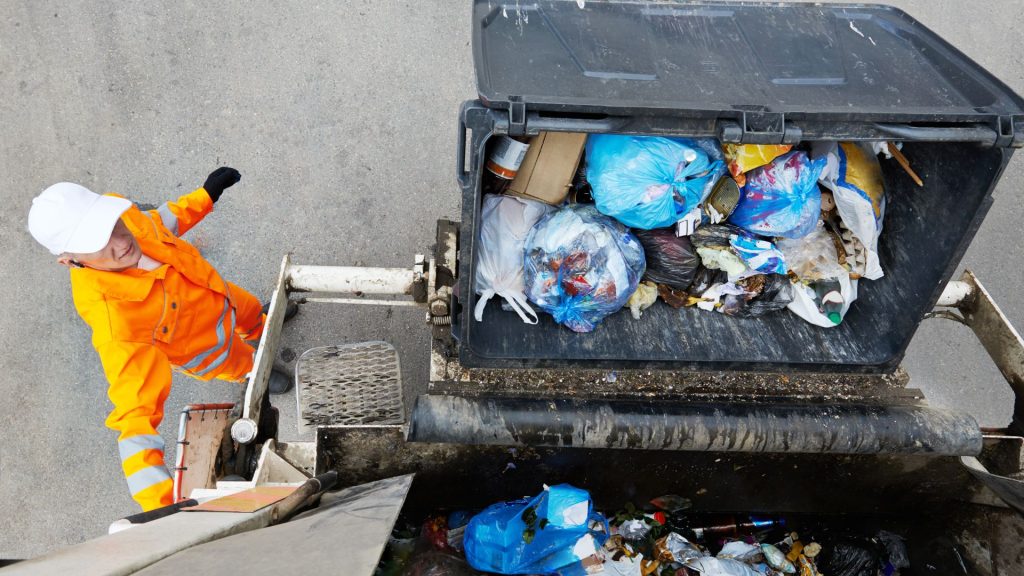
Beyond materials, recycling electronics and appliances requires special care due to toxic components like lead, mercury, and cadmium. Proper handling ensures these harmful substances do not leach into the environment. Responsible junk removal services often partner with certified recycling centers to manage these materials safely. Through this careful process, recycling becomes not just an option but a powerful tool to shrink our environmental footprint. Embracing recycling transforms junk removal from a simple cleanup into an environmentally responsible action.
Reducing Landfill Waste Through Strategic Decluttering
Decluttering is an opportunity to make choices that benefit the planet. When people accumulate unnecessary items, landfills fill up faster, contributing to methane emissions and long-term environmental harm. Strategic decluttering, supported by conscientious junk removal, ensures that items are evaluated for reuse, donation, or recycling before disposal. Instead of tossing everything indiscriminately, the focus shifts to maximizing the lifespan of each item while minimizing landfill contributions. This approach promotes a cycle of reuse and sustainability that has a measurable impact.
In addition, organized junk removal prevents illegal dumping, a growing environmental concern in many regions. Improper disposal often contaminates soil and water, while responsible methods prioritize environmental stewardship. By thoughtfully planning which items are kept, donated, or recycled, individuals and businesses alike can reduce their footprint significantly. Decluttering with intention ensures that cleanup is aligned with ecological responsibility, turning what might seem like a mundane chore into a meaningful environmental practice.
Electronic Waste and Its Environmental Consequences
Electronic waste is a unique category of junk that demands careful handling. Devices like computers, smartphones, and televisions contain materials that can be harmful if released into the environment. Toxic elements can seep into soil and groundwater, posing risks to human health and wildlife. Environmentally conscious junk removal services mitigate these risks by ensuring e-waste is transported to certified recycling centers. These facilities safely extract valuable components while neutralizing hazardous substances.
Proper e-waste disposal also recovers precious metals such as gold, silver, and copper, reducing the need for environmentally damaging mining practices. By recycling these components, we preserve natural resources and conserve energy. With the proliferation of technology in modern life, responsible electronic disposal is more important than ever. Junk removal services that prioritize e-waste recycling contribute to cleaner communities, sustainable resource management, and a significant reduction in ecological impact.
Repurposing and Upcycling: Giving Items a Second Life
Many discarded items have potential beyond their original use. Repurposing and upcycling are effective ways to reduce environmental impact by extending the life of materials. Old furniture can be refurbished, wooden pallets can be transformed into decorative pieces, and even clothing can be reinvented into new products. By channeling creativity into junk removal, we prevent perfectly usable materials from ending up in landfills. This not only reduces waste but also encourages a mindset of sustainability and resourcefulness.
Upcycling and repurposing also foster local economies by supporting small artisans and community projects. Donating items to charities or sharing with neighbors creates a social benefit alongside the environmental one. Every object that finds a second life is one less item contributing to landfill growth, pollution, and wasted energy. Integrating repurposing strategies into junk removal turns ordinary disposal into an opportunity for environmental stewardship and communal enrichment.
Minimizing Carbon Footprint Through Efficient Disposal Practices
Transportation is a hidden contributor to environmental impact during junk removal. Frequent trips to landfills or multiple pickups increase fuel consumption and greenhouse gas emissions. Efficient junk removal practices aim to consolidate loads, plan routes effectively, and reduce unnecessary travel. This attention to logistics not only saves time and resources but also decreases the carbon footprint associated with moving discarded items.
In addition, some services employ vehicles with low emissions or hybrid options, further mitigating environmental harm. By considering transportation efficiency as part of the junk removal process, communities can achieve a cleaner and more sustainable approach to waste management. Small operational choices, when implemented consistently, accumulate to make a noticeable difference in reducing the environmental burden of discarded materials.
The Power of Donation in Sustainable Junk Management
Donating usable items transforms junk removal from disposal into a form of social and environmental contribution. Furniture, clothing, and appliances that remain in good condition can support charitable organizations and families in need. Redirecting these materials reduces landfill volume while providing essential resources to others. Donation extends the useful life of items, conserving energy and resources that would be required to produce replacements.
Donation also strengthens community bonds and encourages a culture of generosity and responsibility. By integrating donation into junk removal practices, we create a sustainable loop where items circulate instead of being discarded prematurely. Every donation represents both an ecological and humanitarian benefit, making junk removal a more holistic and impactful process.
Safe Handling of Hazardous Materials
Certain junk items contain hazardous substances that require careful handling. Paints, chemicals, batteries, and cleaning agents pose environmental risks if not disposed of properly. Responsible junk removal services implement protocols to safely manage these materials, preventing contamination of soil, water, and air. By adhering to safety and environmental regulations, the harmful effects of hazardous waste are minimized.
Education is also key; households and businesses benefit from guidance on identifying hazardous items and understanding safe disposal methods. Preventing improper disposal of toxic substances is crucial to maintaining a healthy environment. By prioritizing safe handling, junk removal becomes a proactive measure in environmental protection, ensuring that potentially dangerous materials do not contribute to long-term ecological harm.
Reducing Construction Waste Through Professional Services
Construction projects generate significant waste that often ends up in landfills. Wood, drywall, metals, and concrete can be substantial contributors to environmental degradation if not managed properly. Professional junk removal services can sort, recycle, or repurpose construction debris, significantly reducing its impact. By integrating waste management plans into renovation or building projects, unnecessary disposal is minimized, and resource efficiency is maximized.
Construction recycling also recovers materials for new projects, lowering the demand for virgin resources. This practice not only benefits the environment but also aligns with sustainable building standards. Engaging professional services ensures that construction waste is treated responsibly, promoting eco-conscious practices in both residential and commercial settings. Efficient construction junk removal is a crucial step in reducing the overall environmental footprint of urban development.
Community Engagement and Environmental Responsibility
Communities thrive when members adopt environmentally responsible practices. Junk removal can act as a catalyst for local engagement by encouraging recycling, donations, and proper disposal. Neighborhood cleanups, donation drives, and educational campaigns enhance awareness while fostering collective responsibility. When community members actively participate in eco-friendly disposal, the environmental benefits extend beyond individual actions to create broader social impact.
Collaboration amplifies results, with each household contributing to a cleaner, greener environment. Shared responsibility encourages sustainable habits and strengthens community connections. By positioning junk removal as both a personal and communal practice, individuals experience the dual rewards of decluttered spaces and a healthier planet. Communities that embrace this approach demonstrate how collective action in waste management can lead to measurable environmental improvements.
Conclusion
Reducing your environmental footprint begins with thoughtful choices in waste management. Responsible junk removal offers a pathway to lessen pollution, conserve resources, and support sustainable practices. By focusing on recycling, repurposing, and safe disposal, individuals and businesses alike contribute to cleaner communities and a healthier planet. Every item managed with care represents a positive step toward minimizing ecological impact while maximizing the value of materials that might otherwise be wasted.
For residents and businesses seeking professional support, Done Right Haul Away in Maryville provides efficient and environmentally conscious junk removal services. Their team prioritizes recycling, donation, and safe handling of materials to ensure that discarded items are managed responsibly. By integrating eco-friendly practices into every pickup, Done Right Haul Away helps clients reduce their footprint while keeping local spaces clean. For more information or to schedule a service, call 865-236-0101 and take a step toward sustainable junk management today.