
Removing concrete in densely populated neighborhoods requires careful planning to avoid disruption. Timing the work during off-peak hours can significantly reduce traffic congestion and noise complaints from nearby residents. Understanding the neighborhood’s daily rhythms, such as school drop-off times or local business peak hours, helps schedule work efficiently. Communicating in advance with neighbors about the project ensures that everyone is aware of potential disruptions and can plan accordingly. Temporary signs, barricades, and clear pathways around the work area enhance safety and maintain accessibility for pedestrians and vehicles.
Choosing the right equipment for the project is equally crucial. Smaller, maneuverable tools and machinery may be more appropriate in tight spaces where large trucks or jackhammers could block streets. Keeping the work area tidy by frequently clearing debris also minimizes hazards. Coordinating with local authorities when necessary for street closures or permits helps prevent unexpected fines or delays. Combining careful scheduling with strategic equipment selection ensures the removal process is smoother and less intrusive for the community.
Protecting Property and Landscaping During Concrete Removal
Concrete removal near homes and businesses poses risks to surrounding property if precautions are not taken. Protecting lawns, flower beds, driveways, and sidewalks with durable coverings prevents accidental damage. Using barriers or temporary fencing around the work area limits debris scatter and safeguards both property and pedestrians. Awareness of underground utilities is essential to avoid damaging water lines, gas pipes, or electrical conduits during demolition. Consulting local utility maps and employing professional detection equipment reduces risk and prevents costly accidents.
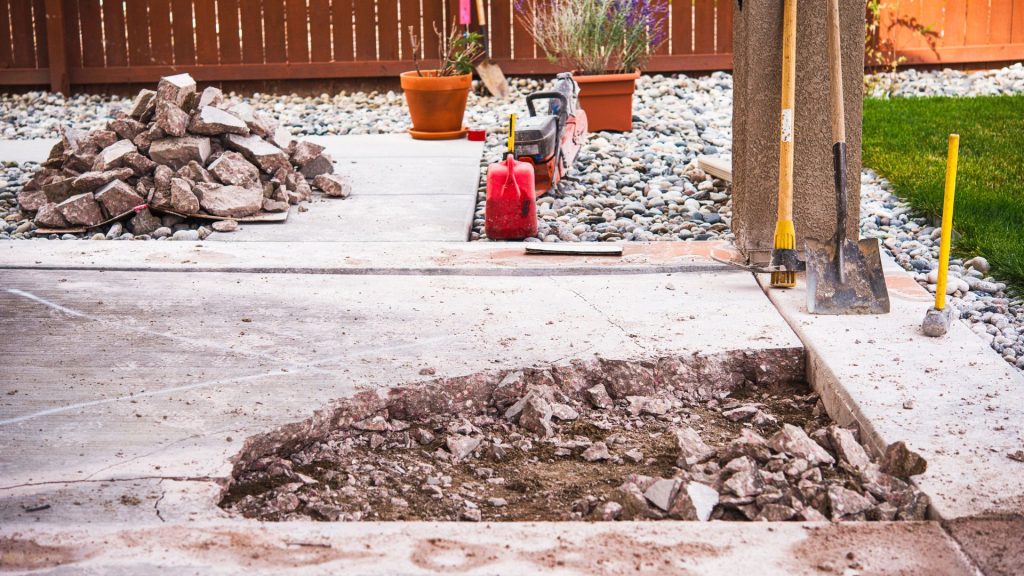
Maintaining a controlled work environment also preserves the neighborhood’s aesthetic and safety standards. Collecting and disposing of broken concrete pieces promptly keeps streets and yards clean. When dust control measures are applied, such as misting water or dust barriers, nearby residents and businesses experience less inconvenience. Respecting the surrounding environment while executing a technically demanding task demonstrates professionalism and ensures that the concrete removal project leaves minimal disruption in the community.
Scheduling Efficient Concrete Hauling in Busy Areas
Efficient removal of concrete waste hinges on organizing hauling operations to avoid congestion. Scheduling dump trucks during hours of lighter traffic ensures minimal disruption to neighbors and local businesses. Planning pickup routes in advance reduces travel time and limits the number of trips through crowded streets. Working with experienced crews who understand urban traffic patterns helps navigate tight corners and restricted streets safely and effectively. Clear communication between the demolition team and hauling operators allows debris to be loaded and transported promptly, preventing extended street blockages.
Ensuring that all workers follow safety protocols during loading reduces the chance of accidents in public areas. Containing debris within a designated zone prevents it from spilling onto roads or sidewalks. Strategically positioning trucks and staging equipment in accessible yet non-obstructive locations optimizes workflow. Combining careful logistics with proactive communication results in a smoother process, benefiting both the project and the neighborhood by maintaining a cleaner, safer, and more organized worksite.
Minimizing Noise and Dust Pollution
Noise and dust are unavoidable side effects of concrete removal, but mitigation techniques can protect neighbors and workers. Using quieter machinery where possible, such as electric-powered tools instead of gas-powered alternatives, reduces disruptive sounds. Positioning equipment strategically can further minimize noise impact. Dust can be controlled by regularly wetting down work areas, employing dust screens, or containing debris within temporary barriers. These measures ensure that surrounding homes, businesses, and pedestrians are less affected by demolition activities.
Regular monitoring of environmental conditions throughout the project allows for adaptive measures if dust or noise becomes excessive. Communicating with residents about expected noise periods and dust-heavy stages fosters understanding and patience. Maintaining cleanliness by promptly collecting debris also limits airborne particles. These practices demonstrate respect for the community while ensuring the demolition team operates effectively and safely, creating a more professional and neighbor-friendly approach to concrete removal.
Coordinating Permits and Local Regulations
Concrete removal in busy neighborhoods often requires compliance with local regulations. Securing the proper permits prevents fines and ensures the project meets legal and safety standards. Some areas have restrictions on operating hours, equipment noise levels, and street closures. Awareness of these regulations allows for smooth scheduling and prevents delays due to legal complications. Consulting with city officials or permitting agencies early in the planning phase ensures the removal process proceeds without unexpected interruptions.
In addition to permits, following neighborhood-specific rules about waste disposal and environmental guidelines is crucial. Properly separating and recycling concrete debris when possible reduces landfill strain and aligns with sustainability goals. Being proactive in understanding local requirements not only prevents legal issues but also reflects well on the project’s reputation. A well-coordinated approach balances regulatory compliance with efficient execution, keeping both the project and the neighborhood in harmony.
Ensuring Worker and Public Safety
Safety is paramount during concrete removal, particularly in areas with high pedestrian traffic. Workers should wear personal protective equipment, including helmets, gloves, and eye protection, to prevent injuries. Clear signage and barriers around the worksite prevent pedestrians from accidentally entering hazardous zones. Regular safety briefings and adherence to occupational safety guidelines reduce the risk of accidents. Creating safe walkways and access points for residents maintains a secure environment while work is underway.
Emergency preparedness is equally important. Having first aid supplies and a response plan ready ensures quick action in case of incidents. Teams should be trained to handle both machinery hazards and environmental risks like falling debris. By prioritizing safety, both workers and neighborhood residents are protected, minimizing potential disruptions and maintaining trust within the community during the demolition project.
Selecting Professional Concrete Removal Services
Choosing a reliable and experienced concrete removal company is crucial for minimizing disruptions in busy neighborhoods. Professionals bring expertise in scheduling, logistics, and equipment use that ensures a safer and more efficient process. They understand how to manage debris, control dust, and maintain safety around tight residential or commercial areas. A skilled team can anticipate challenges specific to urban or high-density neighborhoods and implement solutions proactively.
Professional services also handle the disposal and recycling of concrete properly, reducing environmental impact. They are familiar with local regulations, permits, and community standards, which streamlines project completion. Opting for experienced crews reduces stress for homeowners and business operators while ensuring that the removal project progresses smoothly. Their knowledge, skill, and planning capabilities make a significant difference in delivering concrete removal with minimal disruption.
Handling Large Concrete Sections Safely
Breaking up and removing large concrete slabs requires specialized equipment and techniques. Using jackhammers, saws, or hydraulic splitters allows teams to manage large sections safely and efficiently. Coordinating work with multiple team members ensures that pieces are lifted and transported without endangering workers or property. Strategic placement of supports or wedges prevents slabs from shifting unexpectedly, which could lead to accidents.
Controlled demolition of large concrete pieces also reduces damage to surrounding surfaces and infrastructure. Preparing the area by reinforcing edges and clearing pathways contributes to a smoother operation. By handling concrete in manageable sections, teams maintain control over debris, reduce noise and dust exposure, and enhance safety. Careful attention to methodical techniques ensures a professional approach to what could otherwise be a chaotic process.
Maintaining Communication with Neighbors
Keeping neighbors informed about ongoing concrete removal activities fosters cooperation and patience. Providing notices about work schedules, potential noise, and expected duration helps residents plan their routines accordingly. Encouraging feedback or questions allows concerns to be addressed promptly, preventing misunderstandings. Open communication demonstrates respect for the community and reduces tension during disruptive activities.
Consistent updates throughout the project maintain transparency and trust. Simple gestures such as temporary signage, informative flyers, or digital notifications make a noticeable difference in neighbor relations. By staying communicative, crews can avoid complaints, ensure safety, and complete the project more efficiently. Engaged and informed residents are more likely to be cooperative, creating a smoother workflow for the concrete removal team.
Efficient Clean-Up and Site Restoration
After concrete removal, thorough clean-up and restoration are essential. Removing debris, sweeping pathways, and restoring landscaping prevent hazards and maintain neighborhood aesthetics. Properly disposing of or recycling concrete fragments aligns with environmental standards and reduces the long-term impact on the community. Any damage to property or vegetation should be repaired promptly to restore the area to its pre-project state.
Site restoration reflects the quality and professionalism of the demolition work. Returning the neighborhood to normalcy as quickly as possible minimizes inconvenience for residents and businesses. By prioritizing clean-up and careful restoration, teams leave a positive impression, ensuring that future projects in busy neighborhoods can proceed smoothly. Efficient post-demolition practices complete the project with attention to detail and community respect.
Conclusion
Concrete removal in busy neighborhoods demands careful planning, safety, and communication to minimize disruptions and ensure efficiency. By coordinating schedules, choosing appropriate equipment, and implementing dust and noise control measures, demolition teams can work effectively without creating major disturbances. Protecting surrounding property, following local regulations, and maintaining open lines of communication with residents are key factors in successful urban concrete removal projects. Each of these practices demonstrates respect for the neighborhood while facilitating a smooth and professional operation. Attention to detail, planning, and experienced crews combine to deliver a safer, cleaner, and more organized work environment for everyone involved.
For property owners in Maryville seeking reliable services for concrete or general debris removal, Done Right Haul Away provides expert junk removal solutions. Their trained professionals handle every stage of the project, from scheduling and demolition to hauling and disposal. Customers can expect punctual service, adherence to safety protocols, and thorough clean-up after every job. By calling 865-236-0101, residents and business owners can ensure that their projects are managed efficiently, professionally, and with minimal disruption to their community. Choosing Done Right Haul Away guarantees dependable service tailored to the unique challenges of busy neighborhoods.