
A smooth demolition cleanup begins long before the first hammer hits the wall. Taking the time to plan your cleanup strategy ensures that every piece of debris is accounted for and managed efficiently. Start by identifying the types of materials that will be discarded and determining how each will be handled. Wood, metal, concrete, and drywall all require different approaches for disposal, recycling, or repurposing. Preparing for these details ahead of time reduces surprises and minimizes disruptions during the demolition. Establishing a clear workflow helps your team navigate the cleanup without unnecessary backtracking or confusion, keeping the site organized and safer. Prioritizing safety and cleanliness from the start creates a framework where debris management is straightforward and stress-free. Planning also means arranging the tools, protective gear, and containers needed for efficient removal, which allows work to flow without interruptions and limits accidental hazards.
Efficiency is further enhanced by considering access points for debris removal. Determine where trucks or dumpsters will be positioned to avoid blocking entrances or creating hazards. Mapping out staging areas for materials to be recycled or disposed of can make the process smoother, allowing team members to quickly sort items without wasting time. Clear communication among crew members is essential, ensuring everyone knows their responsibilities and how materials should be handled. When demolition debris is organized before it accumulates, you avoid chaotic piles and reduce the risk of injury. A thoughtful cleanup plan sets the tone for a streamlined operation, allowing work to progress more quickly and leaving the space ready for the next phase of construction or renovation. By investing effort into the planning phase, you are setting up a safer, cleaner, and more efficient demolition process from beginning to end.
Sorting Debris for Effective Cleanup
Sorting demolition debris is key to maintaining a clean and manageable worksite. Separating materials into categories like wood, concrete, metals, and recyclable items makes disposal simpler and often more cost-effective. Designate areas on-site for each type of debris to prevent cross-contamination and ensure that hazardous items are isolated safely. By establishing a system for sorting before demolition begins, you save time during cleanup and reduce the chance of materials piling up uncontrollably. Sorting also helps identify reusable materials, which can be repurposed or donated, adding an environmentally responsible aspect to the cleanup process. When every team member understands where debris belongs, the workflow becomes intuitive, and the cleanup proceeds more smoothly, avoiding unnecessary delays.
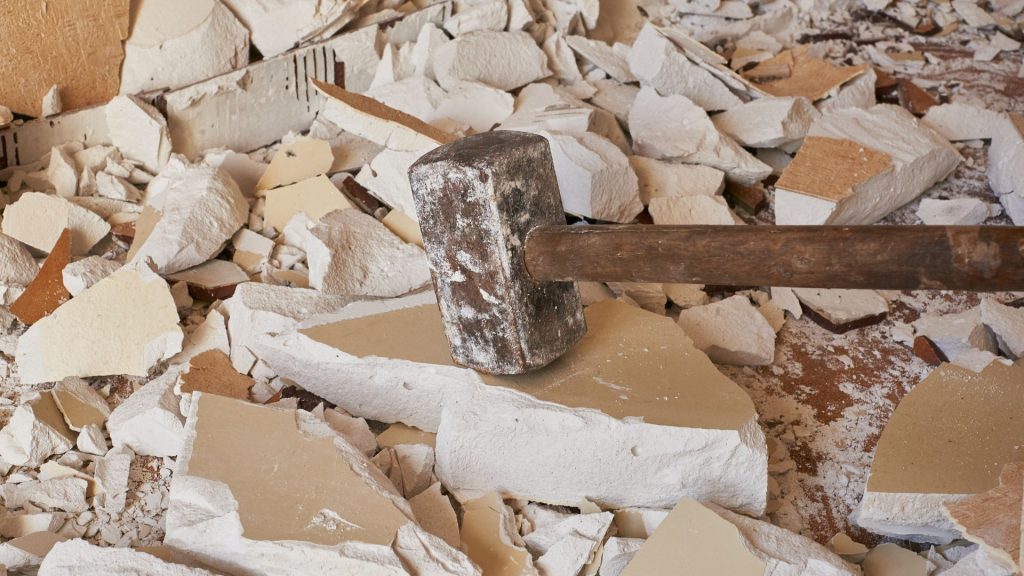
Proper labeling and signage further support efficient sorting. Use clear markers or color-coded containers so workers can quickly identify the correct disposal locations. Sorting debris as it is generated prevents excessive accumulation, which can obstruct work areas and create safety hazards. This approach not only streamlines the removal process but also keeps the project site tidy and professional. By treating sorting as an integral part of the demolition workflow, you enhance safety, efficiency, and environmental responsibility simultaneously. Teams can move swiftly, knowing that every item has a designated place, which ultimately reduces the time spent on post-demolition cleanup and keeps the project on schedule.
Securing Proper Disposal and Recycling Methods
An essential part of organizing demolition cleanup involves planning for the disposal and recycling of materials. Every type of debris must be addressed responsibly, following local regulations and sustainability practices. Determine which materials can be recycled and which require special handling, such as hazardous substances or large construction waste. Having a clear plan ensures that items do not linger on the site unnecessarily, avoiding clutter and potential fines. Using appropriate containers and arranging for timely pickups by licensed disposal services streamlines the process and keeps the area safe. Recycling options not only reduce environmental impact but can also lower disposal costs, making it both practical and responsible to integrate into your cleanup strategy.
Coordinating with local recycling centers and waste management services can prevent last-minute surprises. Understanding the requirements for each type of material ensures compliance and helps you avoid costly mistakes. Additionally, providing team members with guidance on proper disposal techniques reduces errors during cleanup. When disposal and recycling are organized ahead of time, debris moves off-site smoothly, preventing congestion and maintaining a safer work environment. This proactive approach demonstrates efficiency and professionalism, allowing demolition projects to proceed without unnecessary interruptions and ensuring that waste is handled in the most effective and responsible manner possible.
Allocating Tools and Equipment Strategically
Having the right tools and equipment in the right locations is critical for a seamless demolition cleanup. Wheelbarrows, shovels, heavy-duty bags, and protective gear should be distributed strategically across the site so that workers can access them quickly without wasting time. Organizing equipment in designated zones reduces the risk of accidents and ensures that cleanup activities remain efficient. Additionally, providing backup tools and maintenance supplies on-site helps prevent delays if a piece of equipment fails or becomes unsafe. Careful planning of tool placement and availability keeps the workflow steady, reduces confusion, and maintains productivity during demanding cleanup tasks.
Maintenance and organization of equipment also contribute to smoother operations. Ensuring that each tool is in good condition and easily accessible means workers spend less time searching or improvising, which can slow down progress. Establishing routines for returning tools after use helps maintain order and keeps the site clutter-free. Strategically allocating equipment based on specific tasks improves the pace of cleanup, allowing demolition debris to be handled methodically and safely. By anticipating the needs of the team and preparing the tools accordingly, you create an environment where cleanup moves steadily, hazards are minimized, and the demolition process is completed efficiently.
Coordinating a Cleanup Crew
A well-organized cleanup crew is vital for maintaining order during demolition. Clear communication regarding roles and responsibilities prevents overlap and ensures that all aspects of debris management are addressed promptly. Assign team members to specific zones or tasks so that debris is collected efficiently, and hazardous materials are handled correctly. Providing brief training or orientation about safety protocols and disposal practices allows everyone to work with confidence and clarity. When the crew understands the workflow, cleanup proceeds smoothly, avoiding bottlenecks and confusion that can slow down the demolition process.
Regular check-ins and adjustments enhance crew coordination. Supervisors should monitor progress and reassign personnel as needed to maintain efficiency. Encouraging teamwork and clear reporting ensures that any issues are addressed quickly before they escalate. When the cleanup crew is organized and well-informed, every member contributes to a cohesive operation, resulting in faster and safer debris removal. By fostering communication and accountability, you not only improve the cleanup process but also cultivate a professional work environment that supports timely completion of the demolition project.
Implementing Safety Protocols
Safety is a crucial factor when organizing demolition cleanup. Protecting workers from potential hazards such as sharp debris, dust, and unstable materials prevents accidents and injuries. Providing protective gear such as gloves, masks, and safety goggles should be standard practice, along with guidelines for proper handling of dangerous items. Ensuring walkways are clear, securing heavy objects, and maintaining awareness of site conditions all contribute to a safer environment. Prioritizing safety reduces interruptions caused by accidents and keeps cleanup efforts moving efficiently.
Creating a culture of safety extends beyond equipment. Workers should be trained to recognize potential hazards and respond appropriately, and supervisors should enforce consistent safety practices. Implementing protocols for proper lifting, debris stacking, and emergency response enhances overall site management. By making safety a priority, the demolition cleanup process becomes more predictable, reducing the likelihood of injuries and downtime. A safe environment not only protects personnel but also promotes a structured and organized workflow that ensures the project progresses smoothly.
Maintaining Clean Access Paths
Clear access paths are essential for efficient debris removal. When pathways are obstructed by rubble or improperly stored materials, workers spend extra time maneuvering equipment and transporting waste. Planning designated routes for movement of materials improves speed and reduces the risk of accidents. Maintaining these paths throughout the demolition process allows trucks, dumpsters, and personnel to navigate the site without delay, keeping cleanup operations organized and effective.
Consistent monitoring and upkeep of access paths ensures they remain functional. Crew members should regularly move debris out of the way and avoid creating temporary blockages. Signage or barriers can guide personnel and help maintain the integrity of these routes. By prioritizing accessible pathways, teams can move materials efficiently, reducing time spent on maneuvering and avoiding potential hazards. Well-maintained access paths contribute to a smoother, more coordinated demolition cleanup, allowing the project to stay on schedule and minimize disruptions caused by cluttered spaces.
Scheduling Timely Debris Removal
Timing plays a crucial role in organizing demolition cleanup. Scheduling debris removal at regular intervals prevents accumulation and keeps the site manageable. Coordinating with disposal services and planning pickups according to project phases ensures that waste does not linger unnecessarily. This approach reduces congestion, improves safety, and allows workers to focus on productive tasks rather than dealing with overflowing debris. A proactive schedule maintains momentum and prevents delays caused by unplanned cleanup efforts.
Communication is key when scheduling debris removal. Everyone involved should know the pickup times and responsibilities for preparing materials for transport. By anticipating needs and aligning them with project timelines, the cleanup process becomes more predictable and organized. This strategic scheduling ensures that debris moves off-site efficiently, leaving the area ready for the next stages of construction or renovation. Proper timing not only improves workflow but also demonstrates professionalism, keeping the demolition project on track and under control.
Monitoring Waste Volume
Keeping track of waste volume is critical for managing costs and space. Regular monitoring prevents unexpected overflows and helps you determine the most efficient disposal methods. Observing how much debris accumulates allows for adjustments in crew allocation, container size, and pickup frequency. Tracking waste volume also helps identify materials that can be recycled or reused, adding an environmentally conscious layer to the cleanup process. When waste is monitored consistently, the cleanup remains organized, safe, and cost-effective.
Implementing simple methods for tracking debris can prevent surprises. Visual inspections and check-ins allow supervisors to gauge accumulation and address any issues quickly. By knowing the volume of waste on-site at all times, decisions regarding container placement, transport scheduling, and recycling become easier and more precise. Maintaining awareness of debris levels improves overall site management, keeping the demolition process efficient and preventing unnecessary delays. Monitoring waste volume ensures the cleanup is predictable, controlled, and fully optimized.
Evaluating Cleanup Effectiveness
After demolition, evaluating the cleanup process ensures that standards were met and highlights areas for improvement. Assessing the site for leftover debris, proper disposal of materials, and adherence to safety protocols helps refine future operations. Gathering feedback from crew members about workflow, tools, and procedures provides insights into ways to enhance efficiency and maintain organization. Regular evaluation prevents recurring issues and fosters a culture of continuous improvement within demolition projects.
Post-demolition evaluation also includes verifying compliance with local regulations and recycling policies. Addressing any shortcomings promptly ensures that the site is safe and ready for the next phase of construction or renovation. By reflecting on the effectiveness of the cleanup process, teams can implement strategies that save time, reduce hazards, and optimize resource management in future projects. A thorough evaluation contributes to a professional, organized, and efficient demolition operation that meets both practical and regulatory standards.
Conclusion
Organizing a demolition cleanup involves planning, sorting debris, implementing safety measures, and coordinating a team effectively. Each step, from allocating tools to maintaining access paths and scheduling debris removal, contributes to a smoother workflow and a safer work environment. Keeping the process organized prevents chaos, reduces delays, and ensures that every item is handled appropriately. Monitoring waste volume and evaluating cleanup effectiveness allows for adjustments that enhance future operations, making the demolition process both efficient and predictable.
For those seeking professional assistance, Done Right Haul Away in Maryville offers expert Junk Removal services to streamline your demolition cleanup. Their experienced team ensures debris is removed efficiently, safely, and in compliance with regulations, freeing you to focus on your project without distractions. Whether managing large construction waste or everyday debris, their reliable service helps maintain a clean and organized site throughout the demolition process. Contact Done Right Haul Away at 865-236-0101 to experience professional, hassle-free Junk Removal in Maryville and ensure your cleanup is handled with precision and care.