
Improving Productivity Through Clear Workspaces
A cluttered office can slowly eat away at productivity, turning what should be a streamlined work environment into a maze of distractions. Papers stacked in corners, outdated equipment, and unused furniture often accumulate unnoticed, creating mental and physical barriers for employees. Regular junk removal ensures that these obstacles are removed, allowing staff to focus on tasks without being distracted by unnecessary clutter. The visible transformation of the workspace also creates a sense of order, reinforcing routines and fostering a mindset that values efficiency and organization. When employees can move freely and locate what they need quickly, the overall workflow becomes smoother, and the daily operations face fewer interruptions.
Beyond the immediate physical benefits, consistent junk removal enhances the office culture by signaling that the environment is cared for and valued. It reduces stress and creates a calmer atmosphere, which directly contributes to better decision-making and creative problem-solving. A tidy office also prevents small frustrations from building up, such as searching for misplaced items or navigating tight spaces, which can derail focus and productivity. Over time, regular removal of outdated or broken items cultivates an environment where efficiency thrives, motivating teams to maintain order and support one another in keeping the workspace functional and pleasant.
Enhancing Safety in the Workplace
Workplace safety is often overlooked until an accident occurs, but regular junk removal plays a crucial role in preventing hazards. Piles of discarded materials, boxes, and old equipment can create tripping hazards or block emergency exits, putting employees at risk. By routinely clearing out these potential dangers, offices can maintain safe passageways and a hazard-free environment. This proactive approach minimizes the likelihood of workplace injuries and helps comply with safety regulations, creating an environment where employees feel secure and valued. Safety-conscious practices also extend to preventing fire risks, as clutter often obstructs fire alarms or accumulates near electrical outlets, increasing the chance of accidents.
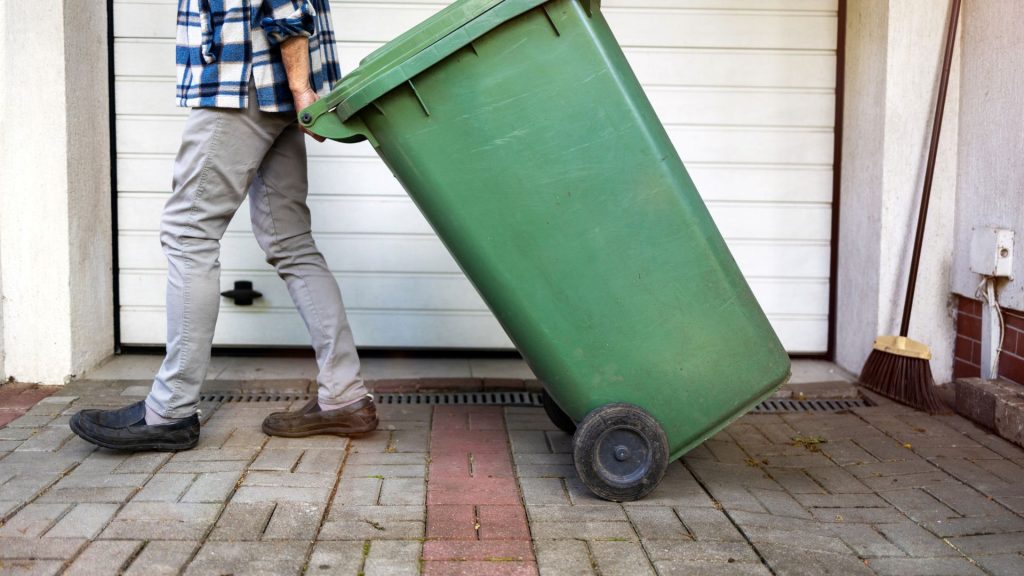
Routine junk removal not only safeguards employees physically but also mentally, as a safe environment reduces anxiety and stress associated with working in potentially hazardous conditions. Employees who feel secure are more likely to perform efficiently and engage fully in their roles. Furthermore, managers can focus on strategic operations rather than constantly addressing avoidable safety concerns. By integrating consistent junk removal into office routines, businesses demonstrate a commitment to employee well-being, fostering a culture of care, accountability, and responsibility that benefits everyone in the workplace.
Maximizing Office Space Efficiency
Unused furniture, outdated technology, and old office supplies can quietly consume valuable space, leaving less room for current operations. Regular junk removal ensures that every square foot of the office contributes to productivity and functionality. Clearing obsolete items creates space for collaborative areas, new equipment, or reorganized workstations that better suit evolving business needs. A thoughtfully maintained office maximizes natural light, opens up movement paths, and allows for a more efficient layout, all of which enhance the overall functionality of the workplace. This deliberate use of space supports both individual work and group collaboration, ultimately driving operational efficiency.
Moreover, decluttering creates opportunities for thoughtful redesign and better asset utilization. As items are removed, it becomes easier to evaluate which furniture and equipment remain valuable and which could be replaced or upgraded. Businesses often find that regular removal cycles reveal hidden inefficiencies, such as duplicate storage or outdated technology, allowing management to make informed decisions about future investments. By maintaining a consistent practice of office junk removal, businesses can ensure that their physical spaces evolve alongside their operational needs, enabling smoother workflows and more effective utilization of office resources.
Promoting a Professional Image
Clients, partners, and visitors often form impressions based on the visual state of the office. A cluttered and disorganized workspace can convey negligence, inefficiency, or a lack of attention to detail. Regular junk removal helps maintain a clean and organized environment, enhancing the office’s professional image. Visitors are more likely to perceive the business as competent and reliable when spaces are free from unnecessary clutter. Additionally, employees take pride in maintaining a neat environment, which reflects positively on their interactions with clients and colleagues. This attention to detail contributes to stronger business relationships and an overall sense of credibility.
Beyond client perceptions, a tidy office fosters internal pride and professional behavior among staff. Employees are more likely to adhere to company standards and maintain organized workspaces when the surrounding environment reflects these values. This culture of order can ripple through company operations, improving internal communication and collaboration. The consistent presentation of a clean office reinforces organizational identity, signaling that the business is proactive, attentive, and committed to quality, which ultimately strengthens both client trust and team morale.
Reducing Stress and Enhancing Employee Wellbeing
The physical clutter in offices can translate into mental clutter, overwhelming employees and reducing focus. Items left unattended in shared spaces, such as breakrooms or storage areas, can create a sense of chaos that permeates the workplace. By regularly removing unnecessary items, businesses can create a calmer, more welcoming environment, contributing to reduced stress levels among employees. Staff members feel less pressure and more mental clarity when workspaces are organized and free of excess debris. This clarity promotes concentration, creativity, and an overall sense of well-being.
Employee satisfaction and retention are directly influenced by the quality of the work environment. A tidy and organized office demonstrates that management values employee comfort and productivity. Employees in spaces that prioritize organization and cleanliness report higher morale and engagement, which can reduce burnout and absenteeism. By integrating regular junk removal, businesses not only maintain physical order but also foster an atmosphere that supports mental health, encouraging a healthier, more motivated workforce that can achieve peak performance consistently.
Supporting Sustainability Initiatives
Disposing of office junk responsibly contributes to environmental sustainability. Regular removal programs often include recycling or donation components, ensuring that obsolete furniture, electronics, and other materials do not end up in landfills unnecessarily. Implementing such initiatives demonstrates the company’s commitment to sustainable practices and can enhance its reputation among eco-conscious clients and employees. Recycling and repurposing materials not only reduce environmental impact but also encourage responsible consumption and disposal habits within the organization.
Additionally, sustainability-focused junk removal can lead to cost savings by identifying reusable assets and reducing the need for new purchases. Offices can establish systems to track items for recycling or repurposing, aligning with broader corporate social responsibility goals. Employees become more aware of sustainable practices through participation, reinforcing a culture of environmental stewardship. By combining office efficiency with responsible disposal methods, businesses create a workspace that is not only orderly but also environmentally responsible, supporting long-term sustainability objectives while benefiting the company’s image and operations.
Enhancing Technology Management
Outdated technology and electronics can quickly accumulate in office spaces, creating clutter and potential safety hazards. Regular junk removal ensures that old computers, printers, and other devices are safely and properly disposed of or recycled. Keeping technology up to date enhances operational efficiency, minimizes compatibility issues, and prevents technical malfunctions caused by outdated hardware. This proactive approach allows IT departments to focus on current systems rather than being bogged down by obsolete equipment that clutters storage rooms and office floors.
Proper removal of electronic waste also ensures data security, as sensitive information on outdated devices is handled appropriately. Businesses can implement secure data destruction during removal, protecting proprietary information and maintaining compliance with privacy regulations. Regularly clearing old technology from office spaces ensures that only functional, up-to-date equipment is in use, optimizing workflows, reducing risks, and supporting a more organized, technologically agile workplace.
Facilitating Renovations and Office Upgrades
Renovations or reconfigurations of office spaces are common as businesses grow or adapt to new workflows. Regular junk removal simplifies these processes by eliminating outdated furniture, broken equipment, and unnecessary supplies before construction or redesign begins. Clearing out accumulated items allows contractors and designers to work efficiently, preventing delays and minimizing disruptions to ongoing operations. This preparatory step ensures that office upgrades or expansions can proceed smoothly, creating spaces that better support employees and business goals.
In addition, a routine of pre-renovation removal promotes thoughtful planning and prioritization. Employees and management can assess the functionality of existing equipment and furniture, deciding what to replace, recycle, or retain. This assessment helps streamline procurement decisions, reduces waste, and aligns office upgrades with current operational needs. By incorporating regular junk removal into renovation planning, offices maintain order, support employee productivity, and maximize the impact of upgrades or redesigns, ensuring that the end results truly enhance the workspace.
Preventing Pest Infestations
Piles of old boxes, papers, and other neglected items can attract pests, creating health hazards and compromising the office environment. Regular junk removal reduces the risk of infestations by removing potential nesting sites and food sources. Maintaining a clean workspace not only protects employees from potential health risks but also preserves office equipment and supplies from damage caused by rodents or insects. Proactive removal practices demonstrate a commitment to maintaining a safe, sanitary environment, which is crucial for both employee well-being and operational continuity.
A proactive approach to pest prevention also reduces long-term costs associated with extermination and repair. By keeping spaces free from clutter, businesses avoid damage to infrastructure, documents, and electronics that pests may target. Staff morale improves when they work in a clean, safe environment, and managers can focus on business objectives rather than crisis management. Regular junk removal, therefore, serves as an essential preventive measure that safeguards both the office ecosystem and employee comfort, contributing to smoother daily operations.
Supporting Compliance and Legal Requirements
Many businesses are subject to regulations regarding the proper disposal of waste, electronics, and sensitive documents. Regular junk removal helps ensure compliance with these legal obligations, reducing the risk of fines or penalties. Proper handling of discarded items, particularly electronic waste and confidential materials, demonstrates due diligence and protects the business from potential liabilities. Maintaining organized, clutter-free offices simplifies record-keeping and provides documentation of responsible disposal practices when required for audits or inspections.
Compliance-focused junk removal also reinforces internal policies regarding safety, confidentiality, and operational standards. Employees become more aware of procedures for disposing of materials properly, reducing accidental violations and reinforcing company values. This systematic approach to office cleanliness ensures that the business operates within legal and ethical boundaries while maintaining a functional, safe, and organized environment, promoting both operational efficiency and accountability.
Conclusion
Regular junk removal offers tangible benefits for office spaces, from improving productivity and safety to enhancing employee morale and operational efficiency. Businesses that prioritize organized, clutter-free environments enable staff to perform more effectively, reduce stress, and maintain a professional image that impresses clients and visitors. Implementing consistent removal practices supports sustainable initiatives, protects technology, facilitates office renovations, and minimizes risks related to pests and hazards. The value of a clean, well-managed office is reflected in both day-to-day operations and long-term business success.
Done Right Haul Away in Maryville offers professional junk removal services designed to meet these exact needs. By engaging experts, businesses can ensure that unwanted materials are responsibly removed, promoting a safer and more efficient work environment. With a focus on both compliance and environmental responsibility, these services provide peace of mind and enhance overall workplace well-being. For offices seeking reliable junk removal, Done Right Haul Away can be contacted at 865-236-0101 to schedule service and begin transforming their workspace into a more productive and orderly environment.