
Streamlining Kitchen Waste Management
Restaurants produce a variety of waste ranging from food scraps to broken equipment. Efficient junk removal starts with clearly defining disposal zones within the kitchen, making it easier to segregate materials. Food waste should be separated from packaging, glass, and metal, which not only improves sanitation but also helps in recycling efforts. Staff members benefit from knowing precisely where each type of waste goes, reducing confusion and preventing accidental contamination of recyclables. By establishing a routine schedule for waste collection, restaurants can minimize clutter and avoid the accumulation of hazardous or odorous materials. Consistency in waste disposal routines ensures that high-traffic areas like prep stations and storage rooms remain clean, creating a safer and more productive environment for employees.
Regularly scheduled checks of kitchen appliances and furniture prevent broken items from piling up. Items like old fryers, damaged shelving, or worn-out utensils often occupy valuable space and contribute to unnecessary clutter. Efficient junk removal practices include promptly identifying items no longer in use and ensuring they are removed safely. Restaurants that maintain a clean, organized kitchen not only reduce the risk of accidents but also create a more pleasant working environment, which can enhance staff morale and productivity. Streamlined disposal of both food and non-food waste contributes to overall operational efficiency and sets a standard for cleanliness that customers can notice and appreciate.
Organizing Dining Area and Furniture Disposal
The dining area in restaurants can accumulate wear-and-tear over time, including broken chairs, tables, and outdated decor. Effective junk removal practices focus on identifying these items early and removing them before they disrupt the dining experience. Establishing a rotation plan for furniture replacement allows restaurants to maintain a fresh and welcoming environment without overwhelming staff with sudden disposal tasks. Clearly labeled collection points for dining area items make it easier for employees to sort out what needs to be removed versus what can be reused or repurposed. Attention to the dining area is critical since this is where customers form their first impressions, and cluttered or damaged furniture can negatively impact their experience.
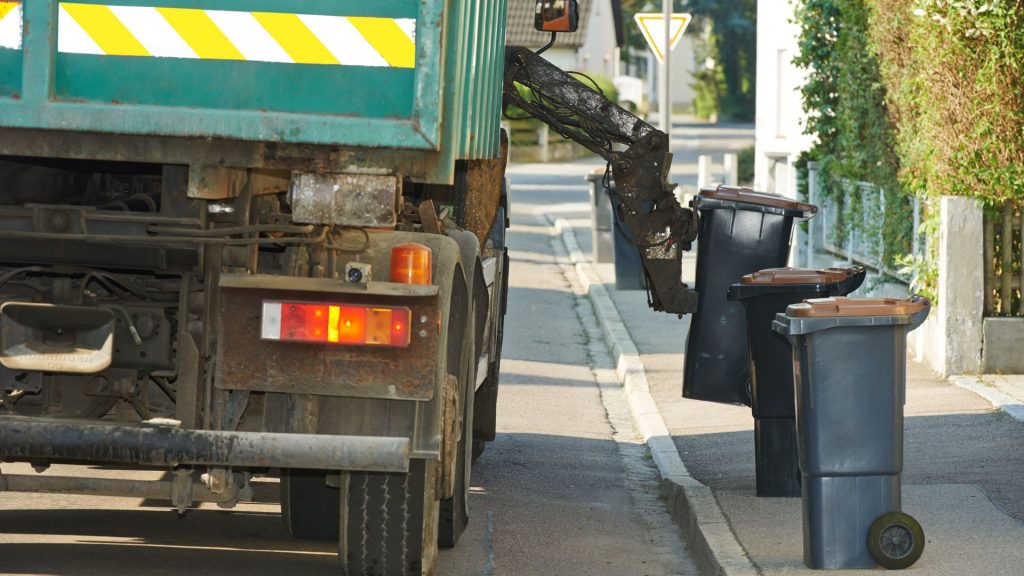
Disposing of furniture properly also involves considering local regulations and recycling opportunities. Many items can be donated to local charities or repurposed creatively rather than discarded. Restaurants that take the time to responsibly manage furniture removal demonstrate environmental awareness and community responsibility. Properly organized removal of outdated or broken dining furniture ensures that staff can clean efficiently, preventing accidents caused by obstructed pathways. Maintaining an orderly dining area contributes to a seamless customer experience while supporting a culture of cleanliness and safety within the establishment.
Handling Food Waste Responsibly
Food waste is a major concern in restaurants, both for environmental reasons and cost control. Effective junk removal practices prioritize sorting waste at the source to reduce contamination and maximize composting opportunities. Designating bins for organic materials and training staff to use them correctly helps prevent edible food from entering landfill streams unnecessarily. Some restaurants adopt strategies like donation programs for excess food or partnerships with composting services, turning waste into a resource rather than a liability. Keeping food waste contained in secure, sanitized bins prevents odors and reduces the risk of attracting pests, which is crucial for maintaining a hygienic environment.
Regular audits of waste production allow restaurants to identify patterns and adjust inventory accordingly. By monitoring what types of food generate the most waste, chefs and managers can tweak menu items, portion sizes, or preparation methods to minimize leftovers. Integrating waste reduction strategies with a clear junk removal plan ensures that kitchens remain clean and efficient. Staff members benefit from understanding the environmental and financial impact of food waste, which encourages careful handling of ingredients and promotes a culture of accountability in managing kitchen waste streams.
Managing Packaging and Delivery Waste
Restaurants often deal with large volumes of packaging materials, especially those offering takeout or delivery. Cardboard boxes, plastic containers, and packaging film can quickly accumulate if not managed properly. A focused junk removal plan involves segregating recyclable materials and flattening boxes to save space. Staff should be trained to dispose of packaging materials immediately after use, preventing piles from forming in storage areas. Utilizing labeled recycling bins throughout the kitchen and delivery prep zones helps reinforce proper disposal habits and streamlines the process.
Incorporating a schedule for bulk recycling pickup ensures that packaging waste does not overflow storage areas. Restaurants can also explore suppliers who offer recyclable or biodegradable packaging, reducing the environmental impact of deliveries. When packaging is efficiently managed, restaurants can maintain orderly storage rooms and delivery stations, freeing up space for essential kitchen operations. A proactive approach to packaging waste removal not only promotes cleanliness but also strengthens a restaurant’s commitment to sustainable practices, which can appeal to environmentally conscious customers.
Efficient Appliance and Equipment Disposal
Kitchen appliances and restaurant equipment wear out over time and can become bulky junk if not removed promptly. Proper junk removal practices involve scheduling regular inspections to identify outdated or malfunctioning items. Staff should log equipment that is no longer operational and coordinate with disposal services that can handle large items safely. Prioritizing timely removal prevents clutter from interfering with daily operations and reduces the risk of accidents involving broken appliances. This also allows restaurants to free up valuable space for newer, more efficient equipment that improves workflow.
In addition to safety, environmentally responsible disposal is important. Many appliances contain components that can be recycled, and removing these items through professional services ensures they are handled correctly. Recycling old refrigerators, ovens, or mixers contributes to reducing landfill waste and aligns with sustainable business practices. Organizing equipment disposal in advance allows for smooth transitions during renovations or upgrades, minimizing disruptions. Restaurants that consistently maintain functional, hazard-free kitchen environments benefit from smoother operations and a safer atmosphere for staff and guests alike.
Proper Handling of Hazardous Materials
Restaurants often use cleaning chemicals, cooking oils, and other substances that require careful disposal. Effective junk removal includes safely managing these hazardous materials to prevent contamination, accidents, or regulatory violations. Staff should be trained to store chemicals in designated areas and dispose of them according to local guidelines. Segregating hazardous waste from general junk reduces the risk of exposure and ensures compliance with health and safety standards. Labeling containers clearly and using secure storage prevents leaks and accidental mishandling, protecting employees and the surrounding environment.
Implementing regular audits of hazardous material inventory helps restaurants track usage and identify items that need disposal before they expire or become unsafe. Proper documentation and disposal methods also contribute to accountability and regulatory compliance. Maintaining a dedicated disposal plan for hazardous materials minimizes the likelihood of emergencies and supports a culture of safety. Restaurants that take hazardous waste seriously demonstrate professionalism and care for both staff welfare and community well-being, enhancing their overall reputation.
Seasonal Deep Clean and Bulk Junk Removal
Restaurants benefit from periodic deep cleaning sessions that include bulk junk removal. This process involves temporarily clearing storage rooms, kitchens, and dining areas to remove accumulated items that are no longer needed. Seasonal cleanouts help maintain a clutter-free environment and allow for better organization of supplies. Planning bulk junk removal in advance prevents disruption to daily operations and ensures that all items are disposed of responsibly. By rotating deep cleaning schedules throughout the year, restaurants can address hidden or forgotten items before they become obstacles to efficiency.
Deep cleaning sessions also provide an opportunity to reassess storage strategies and workflow layouts. Removing outdated inventory, packaging, or equipment frees up space for more frequently used items and improves accessibility. Staff can inspect areas that are often overlooked during routine cleaning, catching potential hazards or maintenance needs early. Incorporating bulk junk removal into a structured seasonal plan helps restaurants stay ahead of clutter, maintain sanitary conditions, and ensure that the environment is welcoming for both employees and patrons.
Optimizing Storage Areas for Waste Reduction
Storage areas in restaurants often accumulate excess supplies, expired ingredients, and broken equipment. Optimizing these spaces is an essential aspect of effective junk removal. Shelving units, bins, and pallets should be organized to allow for easy access and prevent items from piling up in corners. Implementing a first-in, first-out system for inventory ensures that older items are used promptly and reduces the chances of waste accumulation. Clear labeling and designated disposal zones streamline the process for staff and prevent clutter from interfering with daily operations.
Regularly reviewing storage areas also allows managers to identify recurring issues and adjust purchasing or stocking practices. Items that frequently become junk can be minimized, and storage systems can be adapted for maximum efficiency. Well-organized storage contributes to operational fluidity, enabling staff to locate supplies quickly and reducing time spent navigating cluttered spaces. By making storage optimization a priority, restaurants enhance both efficiency and safety, supporting a culture of proactive waste management and overall cleanliness.
Training Staff on Consistent Junk Removal Practices
Staff training is critical for ensuring consistent and effective junk removal in restaurants. Employees should be educated on proper disposal methods for food waste, recyclables, hazardous materials, and old equipment. Regular training sessions help reinforce the importance of maintaining a clutter-free environment and reduce the likelihood of improper disposal. Staff who understand the rationale behind junk removal practices are more likely to adhere to protocols, creating a safer and more organized workplace.
Training programs should include practical demonstrations and clear written guidelines to accommodate all learning styles. Encouraging staff to take ownership of specific disposal areas fosters accountability and ensures that responsibilities are distributed evenly. By integrating junk removal into daily routines, restaurants can maintain high standards of cleanliness without adding significant labor demands. Consistent staff engagement in waste management contributes to overall efficiency and ensures that every team member understands their role in maintaining a safe and welcoming environment.
Leveraging Professional Junk Removal Services
While internal strategies are essential, partnering with professional junk removal services can greatly enhance efficiency. These experts have the tools, experience, and capacity to handle large volumes of waste safely and responsibly. Scheduling regular pickups for food scraps, packaging, old equipment, and other items reduces the burden on staff and ensures that waste is processed according to local regulations. Professional services can also assist with recycling, donation, or environmentally responsible disposal, allowing restaurants to focus on core operations.
Relying on professional junk removal provides peace of mind and frees up space for critical restaurant activities. Teams no longer need to worry about transporting heavy or bulky items, and risk of injury is minimized. Collaboration with experts also supports sustainability goals, ensuring that items are diverted from landfills whenever possible. By combining internal organization with professional assistance, restaurants can maintain a clean, safe, and efficient environment while demonstrating responsibility toward both employees and the community.
Conclusion
Maintaining a clean and organized restaurant environment requires thoughtful planning, consistent effort, and sometimes professional support. Implementing best practices for junk removal ensures that kitchens, dining areas, and storage spaces remain functional and safe. Restaurants that proactively manage food waste, packaging, appliances, hazardous materials, and outdated furniture not only create a healthier workspace but also enhance the dining experience for their patrons. Staff training, seasonal cleanouts, and optimized storage systems further contribute to operational efficiency and reduce the risks associated with clutter and improper disposal. Taking the time to establish a comprehensive junk removal strategy reinforces a culture of cleanliness and accountability, promoting both staff satisfaction and customer confidence.
Partnering with professional services such as Done Right Haul Away in Maryville provides an additional layer of support for restaurant waste management. Their expertise in junk removal allows businesses to handle large volumes of waste efficiently and responsibly, including equipment, packaging, and hazardous materials. By scheduling routine pickups, restaurants can maintain a consistently clean environment without overburdening employees. Done Right Haul Away can be contacted at 865-236-0101, offering tailored solutions that align with operational needs and sustainability goals. Utilizing professional junk removal ensures that restaurants focus on delivering quality service while maintaining compliance, safety, and environmental responsibility, ultimately supporting the long-term success of the business.