
After a demolition project, the sight of scattered debris can feel overwhelming. The first step in reclaiming the space is organizing the materials into manageable piles. Separate wood, metal, concrete, and other materials to make disposal more efficient. This approach not only speeds up cleanup but also reduces the risk of accidents. Safety gear such as gloves, boots, and masks should always be worn when handling debris, and careful attention to sharp objects or unstable surfaces is critical. By tackling smaller sections at a time, the process becomes less daunting, allowing a clearer assessment of what needs to be removed and what can be recycled or repurposed.
Once materials are organized, consider the appropriate disposal methods. Heavy debris may require equipment or a junk removal service capable of handling large quantities safely. Smaller pieces can often be transported manually, but maintaining a systematic workflow prevents redundant trips and unnecessary strain. Keeping pathways clear and removing hazardous objects promptly helps the space transition smoothly from chaotic demolition site to a clean, usable area. Proper planning ensures that the demolition cleanup is both efficient and safe, setting the stage for the next phase of construction or renovation.
Sorting Materials for Recycling and Reuse
A critical aspect of post-demolition cleanup is identifying items that can be recycled or reused. Concrete chunks, metals, and certain wood pieces often find new life in other projects. By separating these materials during the cleanup, you not only reduce landfill waste but also save costs for future construction endeavors. Establish designated zones for recyclables, hazardous waste, and general trash to streamline the removal process. This organization helps prevent cross-contamination and ensures that materials are handled according to environmental regulations and safety standards.
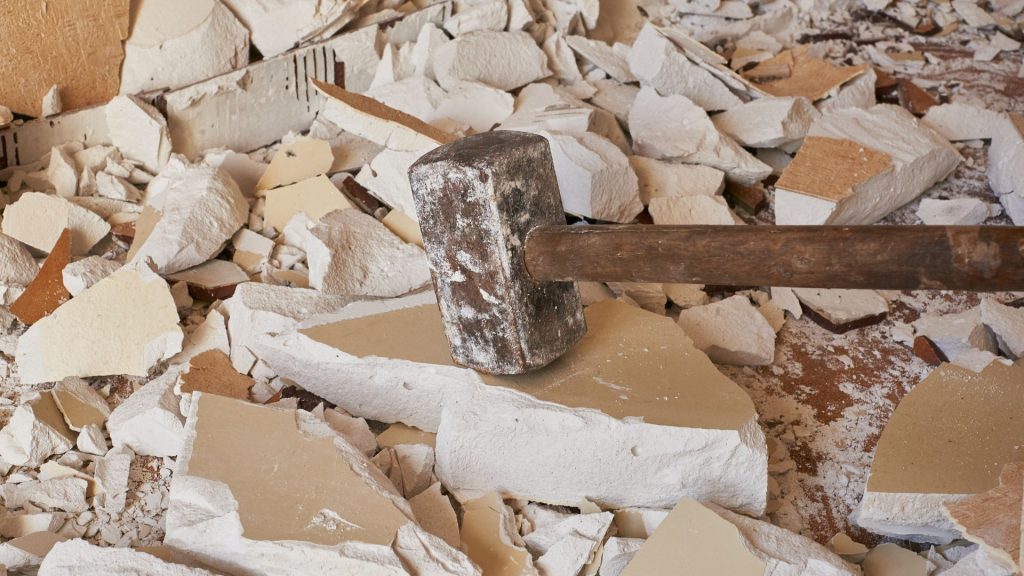
Beyond environmental benefits, sorting materials allows for a more thorough cleanup. Removing reusable items from the debris pile reduces clutter and makes the site safer to navigate. This stage of cleanup can also highlight any overlooked materials that could pose hazards if left unattended. Taking the time to carefully evaluate and categorize debris demonstrates diligence, reduces stress, and helps maintain a professional standard of post-demolition maintenance. Such attention to detail ensures the cleanup is both thorough and sustainable.
Handling Hazardous Materials Safely
Demolition projects often reveal materials that require special attention, such as asbestos, lead paint, or chemical residues. Handling these substances improperly can create serious health risks, so it is vital to identify and isolate them early. Protective gear including respirators, gloves, and coveralls is essential, and proper containment procedures should be followed to prevent contamination. Awareness of local regulations is crucial, as some hazardous waste must be transported to designated disposal facilities under strict guidelines.
By carefully managing hazardous materials, the cleanup process minimizes exposure risks to workers and occupants. Designating a secure area for temporary storage and clearly labeling hazardous items helps prevent accidental mishandling. Consulting with a professional or a licensed waste disposal service ensures compliance and safety. Properly addressing hazardous materials not only safeguards health but also maintains the integrity of the cleanup, demonstrating responsibility and thoroughness in post-demolition practices.
Using Professional Junk Removal Services
After sorting and isolating materials, engaging a professional junk removal service can greatly streamline the process. These teams bring experience, equipment, and logistics planning that can expedite cleanup while reducing physical strain on property owners or contractors. Professionals are skilled in handling large volumes of debris efficiently, ensuring that recyclable items, general waste, and hazardous materials are disposed of properly. This approach saves time and allows construction teams to focus on completing the next phase of the project.
Hiring a specialized service also reduces liability concerns. Professional crews follow safety protocols and have the necessary permits for waste transport, preventing legal or environmental complications. Their experience in maneuvering heavy and irregularly shaped materials ensures fewer injuries and damage during removal. Utilizing a junk removal service represents a strategic investment, providing peace of mind that the demolition site will be restored to a clean, functional state efficiently and responsibly.
Cleaning Surfaces After Debris Removal
Once debris has been removed, surfaces often require additional attention. Dust, small particles, and residue can linger on floors, walls, and fixtures, affecting safety and aesthetics. Sweeping, vacuuming, and pressure washing are common methods for clearing these remnants. For interior spaces, using industrial vacuums with HEPA filters helps remove fine dust and allergens that could compromise air quality. Paying attention to corners, crevices, and ventilation systems ensures a more thorough cleanup.
Proper surface cleaning sets the stage for the next construction phase or prepares the property for occupancy. Maintaining a systematic approach reduces the chance of overlooking hidden debris, which could create future problems. Beyond safety, thorough cleaning contributes to a professional impression of the project and preserves the longevity of structural materials. This step ensures that the environment is safe, functional, and ready for its intended use.
Maintaining Safety During Cleanup
Safety remains a paramount concern throughout demolition cleanup. Wearing protective gear, monitoring for unstable debris, and adhering to proper lifting techniques minimizes the risk of accidents. Keeping a first aid kit and emergency contacts on hand is essential. Safety also extends to maintaining clear pathways, using caution around sharp or heavy materials, and ensuring that equipment is operated correctly.
By prioritizing safety, the cleanup process can proceed efficiently without unnecessary interruptions. Training workers or communicating safety protocols with helpers enhances preparedness. Vigilant oversight prevents injuries and damage, ensuring that all team members leave the site unharmed. A strong safety culture benefits both the project and the individuals involved, making demolition cleanup a responsible and controlled process.
Disposing of Construction Waste Responsibly
Proper disposal of construction and demolition waste is critical for environmental compliance and community health. Local regulations may dictate where certain materials can be deposited, especially hazardous substances or large volumes of debris. Partnering with a waste management or junk removal service ensures that items are taken to appropriate facilities. Sorting waste beforehand also facilitates compliance and reduces disposal costs.
Responsible disposal extends beyond meeting legal requirements. It demonstrates respect for the community and environment, reducing the ecological footprint of the project. Effective waste management also prevents contamination of soil and water and promotes recycling. Taking the time to handle debris responsibly reflects professionalism and conscientious project management, leaving the area safe, clean, and environmentally sound.
Inspecting the Site Post-Cleanup
After debris removal and surface cleaning, inspecting the site is essential to ensure completeness. Look for hidden piles of materials, overlooked hazardous items, or areas that may require additional cleaning. A thorough walkthrough identifies remaining risks and provides a final opportunity to correct any deficiencies. This careful review contributes to a safer environment and prepares the space for subsequent construction or occupancy.
A post-cleanup inspection also informs future projects by revealing patterns or issues that may require different approaches next time. Documenting the state of the site can assist in reporting and accountability, providing evidence of thorough and responsible work. This step ensures closure and confirms that the demolition cleanup has been handled efficiently, safely, and completely, leaving a site ready for its next phase.
Planning for Future Projects
An organized cleanup lays the foundation for future construction or renovation projects. Proper removal, sorting, and disposal of materials allow for a clearer assessment of the space and potential improvements. Planning for the next phase includes considering storage for leftover materials, ensuring the area is accessible for equipment, and creating a timeline for upcoming tasks.
Strategic planning following cleanup reduces delays and helps anticipate challenges that may arise during future work. By maintaining a clean and organized environment, contractors and property owners can execute projects with greater efficiency and confidence. Thoughtful preparation fosters smoother workflows, prevents unnecessary costs, and ensures that subsequent construction or remodeling efforts proceed without unnecessary complications.
Coordinating with Local Services for Waste Management
Collaborating with local waste management and junk removal services streamlines post-demolition operations. These services are equipped to handle different types of debris and ensure that materials are recycled or disposed of according to regulations. Coordination with professionals allows for scheduled pickups, reducing onsite clutter and maintaining safety standards.
Using local services also supports community compliance, reduces transportation costs, and enhances the overall efficiency of the cleanup. Communicating needs clearly with service providers ensures that all materials are properly handled and minimizes potential setbacks. Effective coordination creates a smooth, organized, and environmentally responsible cleanup process, benefiting both the immediate project and the surrounding community.
Conclusion
Demolition cleanup requires a blend of planning, safety, and strategic execution to transform a chaotic site into a usable, organized space. From sorting debris and managing hazardous materials to engaging professional junk removal services and ensuring surface cleanliness, every step contributes to efficiency and safety. Proper attention to these processes ensures that the site is prepared for the next phase of construction or renovation without unnecessary delays or hazards. Prioritizing responsible disposal and recycling also reflects environmental awareness and professionalism, leaving the space safe and compliant with local regulations.
Engaging experienced junk removal services is invaluable in achieving a thorough cleanup. Done Right Haul Away in Maryville offers specialized services to handle debris removal efficiently and responsibly. Their team provides the expertise and equipment necessary to manage post-demolition waste safely, ensuring that materials are disposed of properly and in accordance with regulations. For reliable junk removal, you can reach Done Right Haul Away at 865-236-0101, ensuring your demolition site is restored to a clean, functional, and ready-to-use condition without unnecessary stress.