
Planning Your Drywall Removal Project for Maximum Efficiency
Removing drywall can seem straightforward at first glance yet requires careful planning to avoid a mountain of waste and unnecessary effort. Begin by assessing the scope of the project and identifying which areas need to be stripped down. Take measurements, note structural challenges, and determine if any electrical or plumbing systems could interfere with your work. Organizing the project beforehand helps ensure the right tools are on hand and reduces the risk of injury or property damage. The layout of your workspace affects how efficiently debris can be collected and transported, so consider creating a dedicated staging area for removed materials. Strategic planning saves time during demolition and minimizes the mess that often accompanies large renovation projects. It also sets the tone for proper waste management, which is a critical component of sustainable construction and home improvement.
The preparation phase should also involve sorting and categorizing waste. Separate reusable drywall sheets from damaged or broken pieces to determine what can be salvaged and what must be disposed of. Establish a system for handling nails, screws, and metal corner beads, as these small components can become hazards if left mixed with debris. By organizing the workspace and planning the removal process carefully, homeowners and contractors can tackle drywall removal without feeling overwhelmed. An organized approach not only streamlines the workflow but also helps maintain a cleaner environment, which is particularly important in tight indoor spaces or areas shared with occupants. Planning efficiently sets the stage for faster, safer, and more responsible drywall disposal.
Tools and Equipment That Simplify Drywall Disposal
Selecting the right tools is crucial to making drywall removal manageable and reducing the amount of time spent handling waste. A quality utility knife, pry bars, and a drywall saw are fundamental for cutting and detaching sheets without causing excessive dust or damage. Safety equipment such as gloves, goggles, and dust masks protects against particles and sharp edges, which are common risks during demolition. Additionally, moving dollies or wheelbarrows can facilitate the transfer of heavy sheets from work areas to disposal zones, preventing strain and injuries. Having containers or trash chutes ready ensures that pieces are removed systematically rather than piling up and creating hazards. The more effectively tools are matched to the task, the smoother the demolition process will be, reducing wasted energy and effort.
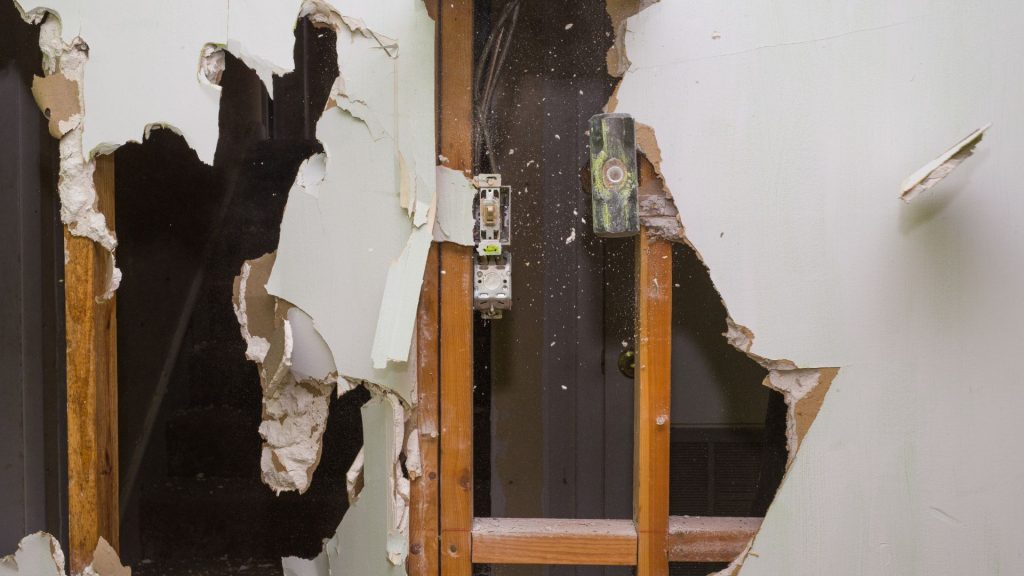
Beyond the basic toolkit, consider specialized waste management solutions that make the disposal of drywall debris less cumbersome. Large trash bins, heavy-duty contractor bags, and temporary storage containers can keep work areas tidy while waiting for final removal. Dust control measures such as plastic sheeting or tarps prevent particles from spreading throughout the home, protecting other rooms and surfaces from contamination. Using these methods allows for more controlled, cleaner work, which is especially important when projects are conducted in occupied spaces. Proper equipment choices not only make demolition more efficient but also reduce cleanup time and potential safety issues. A well-equipped project leads to smoother drywall removal and ensures debris is handled responsibly from start to finish.
Safe Techniques for Detaching Drywall Sheets
Removing drywall sheets requires careful attention to avoid damage and manage waste efficiently. Start by scoring the wall lightly with a utility knife along seams and edges. This step weakens the joint compound and helps in cleanly separating sheets from studs. Using a pry bar or similar tool, gently lift panels away, taking care to support the weight and prevent cracking. Detaching drywall systematically reduces the likelihood of large fragments breaking into small, difficult-to-manage pieces. Keeping sheets as intact as possible not only simplifies transportation but also allows for potential reuse in other projects or recycling initiatives.
Another key aspect of drywall removal involves handling ceilings and awkward spaces safely. Overhead sheets can be particularly challenging, so consider working in pairs and using scaffolding or ladders for stability. Keep work areas clear of obstacles to prevent accidents, and follow a sequence that reduces movement back and forth across the room. Collect debris incrementally instead of letting it accumulate, which minimizes risk and makes sorting easier. By employing these techniques, the removal process becomes more controlled, safer, and organized. Efficient detachment ensures that waste is manageable and sets the stage for environmentally responsible disposal.
Managing Drywall Dust to Keep Workspaces Clean
Dust control is one of the most overlooked aspects of drywall removal, yet it plays a vital role in efficient waste management. Dust spreads rapidly and can settle on furniture, flooring, and HVAC systems, creating extra cleanup work. Start by sealing off work areas with plastic sheeting and using painter’s tape to protect adjacent rooms. Wetting surfaces lightly before cutting or pulling drywall can reduce airborne particles, while a high-efficiency vacuum or dust extractor captures debris as it is generated. These preventive measures limit contamination and make waste collection more straightforward, as dust does not settle into hard-to-clean areas.
Ventilation is another key factor in controlling dust during drywall removal. Open windows and doors if possible, or use fans to direct airflow out of the workspace. Respiratory protection is essential, as prolonged exposure to drywall dust can cause irritation or respiratory issues. Combining proper containment, dust control, and personal protection creates a safer environment and makes the final cleanup faster. Efficient dust management ensures that debris remains concentrated and easier to bag, haul, or recycle. By addressing dust proactively, the removal process becomes less chaotic, safer, and more environmentally responsible.
Efficient Sorting and Recycling Strategies
Drywall waste can be divided into reusable, recyclable, and disposable components. Reusable sheets should be stored flat and protected from moisture to maintain structural integrity. Crumbled or damaged drywall can often be crushed and repurposed as a soil amendment in specific agricultural applications, though this should be verified with local guidelines. Metal corner beads, nails, and screws are valuable for recycling and should be separated before disposal. Implementing a systematic sorting strategy saves time during removal and reduces the burden on landfills while creating opportunities to repurpose materials.
Consider coordinating with local recycling facilities or waste management companies to determine what drywall and related materials they accept. Some municipalities provide dedicated drop-off points for construction debris, while private contractors may offer bulk pickup services. Pre-sorting debris according to material type accelerates the handoff process, reduces contamination, and ensures compliance with local disposal regulations. By incorporating recycling strategies, drywall removal becomes more environmentally conscious, efficient, and cost-effective. Sorting is not just about keeping the site organized—it’s a key step in responsible waste management and sustainability efforts.
Choosing the Right Disposal Method
Selecting the proper disposal method for drywall ensures that the waste does not create hazards or incur fines. Landfills typically accept drywall, but some may have restrictions or require it to be segregated from other construction debris. Roll-off dumpsters are ideal for large projects, offering a convenient and contained way to collect and transport sheets. Smaller projects may benefit from contractor bags or bins that can be placed curbside. Choosing the right disposal method in advance prevents delays, keeps work areas clean, and minimizes environmental impact.
When deciding how to dispose of drywall, consider both logistics and regulations. Large pieces of drywall are easier to handle in dumpsters, whereas crumbled material might require heavy-duty bags. Some local regulations prohibit placing drywall in residential recycling bins, making dedicated containers a better choice. Advance planning of disposal pathways reduces stress during removal and ensures that debris management aligns with sustainability goals. Using appropriate containers, working with professional hauling services, and staying informed about local regulations creates a smooth disposal workflow. Proper disposal strategies protect both the workspace and the environment while keeping the removal project organized.
Streamlining Transportation and Hauling
Transporting drywall waste efficiently requires proper preparation and equipment. Use wheelbarrows, dollies, or carts to move sheets from work areas to disposal containers. Avoid overloading vehicles or containers, as this can result in accidents or damage. Covering loads with tarps protects against weather and prevents material from scattering during transport. By approaching transportation with foresight, you save time and reduce the risk of injury or property damage, making the hauling process more efficient and organized.
Coordinating logistics for hauling also involves scheduling and route planning. Consolidate trips to disposal sites to minimize fuel use and ensure the project stays on track. When working with contractors or removal services, clear communication about pick-up times and volume ensures that waste is collected promptly. Keeping transportation systematic avoids clutter at the job site and reduces the amount of handling required. Efficient hauling is a critical component of drywall waste management, transforming what can be a chaotic task into a structured, controlled operation.
Maintaining Safety During Disposal
Drywall removal and disposal can pose hazards if proper precautions are not followed. Sharp edges, dust, and heavy lifting create risks that should be mitigated with personal protective equipment, clear workspaces, and teamwork. Establishing a routine for debris handling, including how sheets are cut, carried, and placed in containers, reduces the likelihood of accidents. Maintaining safety is not only a legal and ethical obligation but also a practical measure that ensures the project progresses smoothly and efficiently.
In addition to personal safety, consider environmental safety during disposal. Avoid dumping drywall in unauthorized areas or combining it with other types of hazardous waste. Safe handling protects both workers and the surrounding community while maintaining compliance with local regulations. Incorporating safety protocols into every step of removal—from cutting and detaching sheets to transporting and disposing of them—creates a structured workflow. A focus on safety ensures that drywall removal is efficient, responsible, and sustainable without sacrificing the wellbeing of anyone involved.
Reducing Waste Through Creative Reuse
Drywall pieces that are intact or minimally damaged can often find new purposes beyond simple disposal. Smaller sheets can serve as patching material for walls or ceilings, while offcuts can be used in craft projects or home improvement experiments. Creative reuse minimizes the volume of material that ends up in landfills and can save money for future projects. Identifying opportunities to repurpose drywall before discarding it is both environmentally responsible and resourceful.
Reusing drywall components can extend the lifecycle of materials and reduce the demand for new production. Even seemingly unusable fragments may serve as filler or base layers for construction work. By thinking beyond the traditional disposal mindset, homeowners and contractors can find innovative ways to integrate leftover drywall into other projects. Creative reuse not only alleviates environmental impact but also fosters resourcefulness and cost-effectiveness. Incorporating these strategies into demolition routines helps transform drywall removal into a more sustainable and efficient process.
Conclusion
Efficient drywall removal is more than simply taking down walls. It involves strategic planning, selecting the right tools, and maintaining safety while managing dust and debris. Sorting materials and understanding disposal options allow for responsible recycling and reuse, reducing environmental impact and streamlining the project. Transportation and hauling strategies further enhance efficiency, preventing clutter and minimizing unnecessary handling. Homeowners and contractors who take a systematic approach to drywall waste management not only complete projects faster but also create cleaner, safer work environments.
For those seeking professional assistance in managing drywall and construction debris, Done Right Haul Away in Maryville provides comprehensive Junk Removal services. Their experienced team handles removal, transportation, and proper disposal efficiently, ensuring that projects stay on track and compliant with local regulations. Contact Done Right Haul Away at 865-236-0101 for reliable support with drywall removal and waste management. Partnering with experts simplifies the process, reduces stress, and promotes environmentally responsible practices, making any remodeling or renovation project more manageable and successful.