
Clearing Kitchen Equipment Without Disruption
Removing old kitchen equipment can feel overwhelming when operations are ongoing. The first step is identifying items that are no longer functional or compliant with health regulations. Focus on large appliances, worn-out utensils, and storage units that occupy valuable floor space. Planning the removal during slow hours minimizes interruptions to kitchen activity. Staff should be briefed about what items are scheduled for removal to avoid confusion and accidental disposal of items still in use. Proper labeling and staging areas can streamline the process and prevent accidental damage to functional equipment. Safety precautions such as wearing gloves and using dollies for heavy items are essential to reduce the risk of injury. This thoughtful approach ensures the kitchen remains operational while outdated equipment is efficiently removed.
After staging the items, it is crucial to coordinate with professional junk removal services for the transportation and proper disposal of equipment. Many items, especially electrical appliances, require specialized handling to comply with local regulations and environmental standards. Partnering with experienced removal teams ensures that items are recycled or discarded responsibly, minimizing environmental impact. Taking time to schedule pickups and communicate with the removal team reduces delays and avoids last-minute disruptions. By combining careful planning, staff coordination, and professional assistance, restaurant owners can maintain a clean, safe, and efficient kitchen environment while freeing up space for necessary upgrades.
Managing Excess Food Waste Effectively
Restaurants often generate a significant amount of food waste that can attract pests and create unpleasant odors if not managed properly. The first step in controlling food waste is assessing inventory and discarding expired or spoiled items regularly. Establishing a routine disposal schedule helps staff stay organized and ensures waste is removed consistently. Composting is an excellent option for organic waste, turning potential trash into valuable resources for gardens or local community programs. For non-compostable items, segregating materials based on recyclability allows for responsible disposal while reducing overall waste.
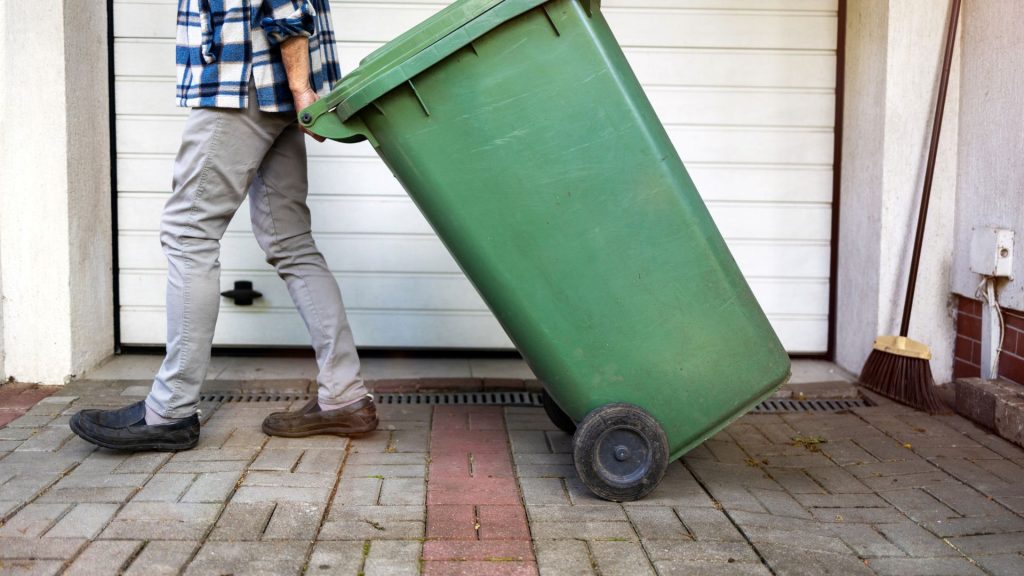
Staff involvement is key to keeping the kitchen and storage areas tidy. Employees should be trained to handle waste with care, using designated bins and following hygiene protocols to avoid contamination. Partnering with professional junk removal services can simplify the process for bulk waste, especially during renovations or seasonal cleanouts. With the right strategies, restaurants can prevent clutter, maintain a sanitary environment, and even save costs by minimizing wasted inventory. Efficient food waste management not only supports operational efficiency but also reinforces a restaurant’s commitment to sustainability and responsible practices.
Efficient Furniture Removal and Replacement
Dining areas often accumulate broken or outdated furniture that affects the overall ambiance and customer experience. Identifying furniture that requires replacement begins with assessing wear and tear, stability, and aesthetic appeal. Removing bulky chairs, tables, and booths requires careful planning to avoid disruption to patrons and staff. Temporarily moving items to a staging area can prevent clutter in service areas and facilitate smoother transport. Staff should be trained to disassemble pieces safely when needed, ensuring that the removal process is efficient and hazard-free.
Professional junk removal services can handle furniture disposal more effectively than in-house efforts. They provide appropriate vehicles and tools to transport heavy items safely while ensuring responsible disposal or recycling. Replacing old furniture with modern, durable pieces not only enhances the dining experience but also improves the restaurant’s operational flow. By coordinating removal and replacement in tandem, restaurant owners can maintain a seamless customer experience while revitalizing their dining space. This approach reduces stress on staff and ensures that valuable space is utilized optimally for both comfort and function.
Organizing Storage Areas for Maximum Space
Storage rooms and back-of-house areas often become cluttered with excess supplies, outdated equipment, and miscellaneous items. A comprehensive evaluation of these areas helps identify items that can be discarded or recycled. Grouping items by category and frequency of use facilitates easier access and inventory management. Clear pathways and strategic shelving arrangements prevent congestion and create a more organized workspace. Removing items that no longer serve a purpose maximizes usable space and promotes efficiency in daily operations.
A structured junk removal plan ensures that discarded items are managed properly without overwhelming staff. Using professional services to remove bulk or hazardous materials guarantees safe handling and disposal. Establishing a maintenance routine for storage areas helps sustain order and prevents future accumulation of junk. A clean, organized storage environment allows staff to focus on daily responsibilities without unnecessary obstacles, improving both safety and productivity. With careful planning, restaurants can turn chaotic storage spaces into functional areas that support smooth operations and long-term efficiency.
Safely Disposing of Hazardous Materials
Certain materials in restaurants, such as cleaning chemicals, oils, and expired food additives, require special handling. These substances can pose serious health risks and environmental hazards if not disposed of correctly. Identifying hazardous items, labeling them clearly, and separating them from general waste is essential. Staff must follow strict safety guidelines, including the use of personal protective equipment and secure containers, to prevent accidents. Regular training ensures employees are aware of best practices for managing these materials.
Engaging professional junk removal services for hazardous items is often the safest approach. Experts have the knowledge and equipment to transport and dispose of chemicals, oils, and other potentially dangerous materials according to regulations. This not only protects the staff and patrons but also ensures compliance with local laws. Responsible disposal of hazardous materials reduces liability risks and demonstrates a restaurant’s commitment to safety and environmental stewardship. By prioritizing proper handling, restaurants maintain a safe workspace while contributing to the wider community’s well-being.
Clearing Out Seasonal and Promotional Items
Restaurants frequently accumulate promotional materials, decorations, and seasonal items that clutter storage and operational areas. At the end of each season, evaluating which items to retain and which to dispose of is crucial for maintaining an organized environment. Items that are no longer relevant or in poor condition should be removed promptly to free space for future campaigns. Storing seasonal decorations in designated areas or investing in compact storage solutions helps maintain order and accessibility.
Professional junk removal services can assist in clearing bulk items efficiently, especially when time-sensitive changes are required. Removing outdated promotional materials quickly prevents clutter from spilling into service areas and ensures a fresh environment for customers. Proper disposal also promotes sustainability by recycling appropriate materials. By systematically addressing seasonal clutter, restaurant owners can focus on creating engaging promotions without the stress of managing excess inventory. This approach maintains both aesthetic appeal and operational efficiency.
Streamlining Renovation Debris Removal
Restaurant renovations generate a mix of construction debris, old fixtures, and packaging waste that can obstruct operations if not managed properly. Planning debris removal in advance reduces disruption and maintains a safe workspace for staff. Segregating materials by type, such as wood, metal, or plastic, simplifies recycling and disposal. Clear communication with renovation teams ensures that removal schedules align with construction timelines, minimizing overlap and confusion.
Professional junk removal services play a critical role in handling renovation debris efficiently. They provide the equipment, manpower, and expertise needed to remove large volumes of waste safely and responsibly. Timely removal of debris not only keeps the restaurant functional during renovations but also accelerates project completion. This collaborative approach ensures a cleaner, safer environment for staff and customers while allowing renovations to progress smoothly without unnecessary delays. By prioritizing organized debris management, restaurants can enhance productivity and maintain high standards during renovation projects.
Handling Electronics and Small Appliances
Restaurants often accumulate outdated or broken electronics, including microwaves, coffee machines, and POS systems. Removing these items requires careful handling to prevent damage or safety hazards. Proper assessment involves determining which devices are outdated, non-functional, or inefficient. Establishing a protocol for unplugging, disassembling, and staging electronics ensures that removal is safe and organized. Staff should be aware of electrical safety procedures and storage considerations for small appliances before disposal.
Engaging professional junk removal services ensures responsible recycling and disposal of electronic items. Many electronic devices contain components that require special handling due to toxic materials. Experts can transport and recycle electronics according to regulatory standards, reducing environmental impact. Removing outdated appliances efficiently creates room for modern, energy-efficient devices that enhance restaurant operations. This careful approach safeguards both staff and the environment while supporting operational upgrades that improve overall efficiency and functionality.
Reducing Clutter in Dining and Service Areas
Over time, dining rooms and service areas can become congested with extra chairs, tables, menus, and miscellaneous items. This clutter not only affects the aesthetic appeal but can hinder staff movement and customer comfort. Identifying items that are surplus, broken, or outdated is the first step in reclaiming space. Creating designated storage zones or staging areas allows for a systematic removal process. Staff should participate in regular audits to ensure that only necessary items remain in high-traffic areas.
Professional junk removal services can handle the bulk removal of furniture and miscellaneous items efficiently. Removing excess objects clears pathways, enhances the dining experience, and reduces stress for employees. By maintaining uncluttered dining and service spaces, restaurants can improve workflow, safety, and customer satisfaction. A strategic approach to clutter reduction ensures that every area contributes to a welcoming and functional environment, supporting both operational efficiency and positive guest experiences.
Maintaining Ongoing Junk Management Practices
Sustaining a clutter-free restaurant requires ongoing attention and structured practices. Implementing regular cleanouts, monitoring storage spaces, and training staff on proper disposal methods fosters a culture of organization. Routine inspections help identify potential issues before they escalate, ensuring that both kitchen and dining areas remain functional and safe. Creating a checklist or schedule for junk removal supports consistency and accountability among team members.
Engaging professional junk removal services periodically reinforces in-house efforts. They can assist with large-scale removals, recycling, and proper disposal of items that cannot be managed internally. Combining proactive internal practices with occasional professional support ensures long-term cleanliness and operational efficiency. By prioritizing ongoing junk management, restaurant owners can maintain a safe, organized, and visually appealing environment, supporting both staff performance and customer satisfaction consistently.
Conclusion
Efficient restaurant junk removal requires thoughtful planning, staff coordination, and professional assistance. From kitchen equipment to furniture, electronics, and seasonal items, every area benefits from structured removal processes that reduce clutter, improve safety, and enhance operational efficiency. Proper disposal of hazardous materials and food waste ensures compliance with regulations and demonstrates a commitment to environmental stewardship. Maintaining organized storage and service areas allows staff to work effectively while creating a welcoming atmosphere for customers.
Partnering with Done Right Haul Away in Maryville simplifies junk removal for restaurants of all sizes. Their professional team provides reliable transportation, safe handling, and responsible disposal of items that range from large appliances to renovation debris and seasonal clutter. With expert assistance, restaurant owners can focus on operations while ensuring a clean, organized environment. For inquiries or scheduling, restaurants can contact Done Right Haul Away at 865-236-0101. By investing in consistent and professional junk removal, restaurants maintain operational excellence, safeguard staff and patrons, and foster a sustainable, clutter-free workspace that enhances overall performance.