
Before grabbing a tool or making that first cut, take a moment to truly understand what you’re working with. Hot tubs aren’t just giant bathtubs—they’re bulky systems loaded with electrical components, insulation, pumps, and sometimes plumbing that connects to your home. The shell alone might be heavier than expected, and if it’s built into a deck or backyard feature, you’re dealing with more than just a simple lift-and-go. Rushing in without assessing the entire structure can lead to damage, injury, or surprise costs.
Start by determining the type of hot tub you own, how it’s installed, and what surrounds it. Check for hidden wires, water lines, or other utilities that might complicate removal. This isn’t a job for guesswork. Measure all clearances to ensure you can maneuver parts out safely. Understanding these factors upfront helps guide your approach and reduces the chances of last-minute scrambles once the job is underway.
Plan for a Dry and Safe Takedown
Water and electricity don’t mix, and nowhere is that more obvious than when removing a hot tub. Before taking apart anything, you’ll need to completely drain the tub. That might sound obvious, but you’d be surprised how many people forget until they’re ankle-deep in a soggy mess. Use a pump or hose to direct water away from your home’s foundation to prevent pooling that could damage landscaping or structures.
Once the water is gone, disconnect the power source carefully. Don’t assume flipping the switch will cut everything—double-check the breaker, and when in doubt, bring in a licensed electrician to safely disconnect the wiring. Some hot tubs are hardwired directly into the panel, which means a misstep can be dangerous. With water and electricity safely out of the picture, the real work can begin without unnecessary risk.
Cut What You Can’t Carry
Unless you’ve got a crew of bodybuilders and a crane on hand, hauling a full-size hot tub in one piece isn’t happening. Most tubs are designed to last outdoors, so their materials are heavy, dense, and built to resist wear. That means breaking the tub down into manageable pieces is often the only route to removal. A reciprocating saw becomes your best friend here, along with some heavy-duty gloves and eye protection.
Start by removing any detachable panels, jets, and outer shell components. Once those are gone, the frame and shell can be sectioned off with careful cutting. Be prepared for insulation that clings to everything and can make a mess. Break it up, bag it as you go, and clear pieces methodically to avoid trip hazards. The goal isn’t just destruction—it’s organized dismantling that leaves the space ready for the next step.
Don’t Forget About the Base
People often focus so hard on removing the tub itself that they forget what’s underneath. Whether it’s a concrete slab, wooden deck frame, or gravel bed, the foundation needs attention too. If the hot tub sat on pavers or a raised platform, those elements might need removal or repair after the tub’s gone. Leaving a sunken footprint in your backyard is hardly the goal.
Look at the condition of the base before hauling everything away. Cracked slabs may require patching or full removal. Wood decks with mold, warping, or rot from years of moisture need replacement, not reuse. Once clear, this spot becomes prime real estate for something new—a fire pit, garden nook, or even a smaller soaking tub. Thinking ahead lets you transform the cleared space instead of treating it like a forgotten corner.
Prepare for the Mess You Didn’t Expect
Hot tub removal isn’t a clean job. You’ll find soaked insulation, damp wood, hidden nests, and even rusted bolts that have fused to frames over time. Depending on the age and condition of your spa, it may crumble in parts or fight back with stubborn hardware that won’t budge. Either way, be ready for hours of hauling scraps, bagging insulation, and sweeping debris.
Don’t overlook disposal logistics. Hot tubs generate more waste than you’d expect—plastics, foams, metals, and wiring all need proper handling. Most municipal services won’t touch this type of junk, and not all pieces can be tossed into your regular trash. Renting a dumpster or hiring a hauling team familiar with bulky junk can save your driveway from becoming a pileup of parts. A bit of planning here keeps the process from dragging out longer than it should.
Watch for Hazardous Components
Not everything inside a hot tub is safe to toss aside. Older models can include pressure-treated wood, fiberglass dust, or even outdated insulation with chemicals that shouldn’t be released into the air or soil. Just because it looks like foam doesn’t mean it’s harmless. Breaking down the tub carelessly can expose you to more than just dust—it can affect air quality, skin, and even nearby plants.
Wear protective gear at all times, especially when cutting or prying apart pieces. A mask, gloves, and goggles aren’t just for show—they protect against tiny particles that go airborne fast. When disposing of electrical components or treated materials, check with local waste regulations. Special handling may be required to prevent environmental contamination, and fines aren’t fun to deal with after a hard day’s work.
Consider the Weather Before You Start
It might not be the first thing on your mind, but timing matters. Trying to remove a hot tub in the middle of a rainy week or during a heatwave can create more problems than progress. Wet ground turns heavy lifting into a slippery nightmare. Freezing temperatures make materials brittle and harder to cut. Meanwhile, scorching days can turn an afternoon project into a sunburn marathon.
Aim for mild, dry weather with consistent daylight. This allows for safer handling of tools and better visibility while you work. If you’ve scheduled help or arranged for waste pickup, check the forecast in advance to avoid delays. Weather might feel like an afterthought, but getting caught mid-project with rain clouds overhead or a storm rolling in adds unnecessary chaos to an already demanding task.
Know When to Call for Help
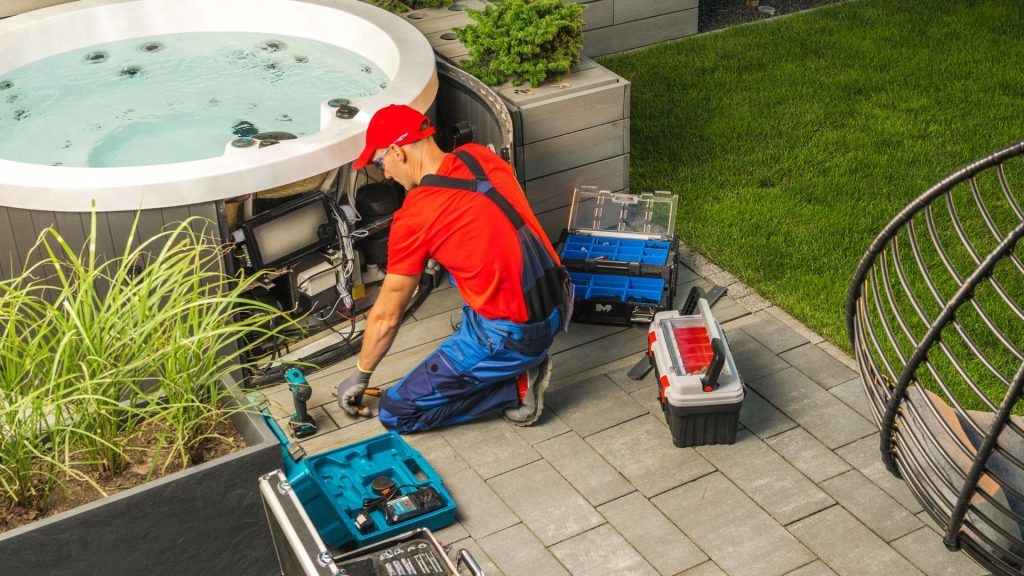
Some projects look manageable on the surface until you’re knee-deep in insulation, sweat, and regret. If your hot tub is built into a deck, squeezed between walls, or wired through multiple junctions, it might be time to rethink the solo approach. There’s no shame in knowing your limits. Taking shortcuts or pushing through frustration often leads to injury or damage that costs more in the long run.
Professional removal teams handle hot tubs regularly. They’ve seen every configuration imaginable, know how to work fast without wrecking the yard, and can dispose of the debris responsibly. You don’t lose bragging rights by hiring help—you gain peace of mind and a clean slate without the chaos. Sometimes, stepping back is the smartest move when the job outpaces your tools or patience.
Plan What Comes After
Once the hot tub is gone and the space is empty, don’t just walk away. This is your chance to reimagine your outdoor area. Whether it’s a fresh lawn, a seating area, or something more creative, the blank canvas deserves thought. Avoid turning the cleared space into a neglected patch of dirt that grows weeds faster than ideas.
Take a little time to smooth out the area, dispose of any lingering materials, and consider whether the site needs leveling or reseeding. If concrete was involved, think about covering it with decking or pavers for a more polished look. Every removed hot tub opens up new potential. Treat the space like an opportunity, not an afterthought, and you’ll feel the reward long after the heavy lifting is over.
Double-Check Before You Dump
It’s easy to get swept up in the momentum of tearing things down and loading up the scraps, but treating all hot tub parts as if they belong in the same bin is a shortcut that can backfire fast. The materials inside that bulky shell aren’t created equal. Electrical wiring, copper fittings, pressure-treated wood, and chemical residues all require different methods of disposal. Tossing them together into a single pile without thinking twice might seem efficient in the moment, but it’s a recipe for unnecessary headaches later—whether that’s in the form of rejected loads at a landfill, environmental violations, or even fines you didn’t expect.
Before you throw anything away, take a few minutes to sort things out properly. Set aside recyclable metal pieces like the frame or support brackets. Drain the hot tub fully and follow local regulations for disposing of leftover water that may contain sanitizing chemicals. Many counties have strict rules about spa chemical disposal and don’t allow them to enter storm drains or general trash streams. Check with your local recycling or waste management service before driving over with a truckload of fiberglass insulation and foam chunks. Taking those extra steps now keeps your project eco-conscious, avoids trouble later, and clears your space the right way—not just the fastest way.
Conclusion
Tearing out a hot tub takes more than brute force—it takes planning, patience, and the right approach to avoid turning it into a weeks-long hassle. Whether you’re doing it yourself or calling in backup, knowing the right steps can transform a daunting project into a rewarding one. From cutting techniques to disposal strategy, each detail plays a role in how smooth the process feels.
If the task feels too big or the pieces too stubborn, Done Right Haul Away is ready to take it from here. Located in Maryville, we’re equipped to handle every aspect of hot tub removal with care and efficiency. Call us today at 865-236-0101 or reach out via email at zach@donerighthaulaway.com to schedule a service that makes the whole process simpler from start to finish.