
Keeping Workspaces Free from Clutter
A cluttered workplace can quietly undermine productivity and employee well-being without anyone noticing. Stacks of old paperwork, broken equipment, or unused furniture can accumulate in corners, creating hidden hazards that employees might trip over or bump into. Removing these items not only opens up the physical space but also encourages a more organized workflow. When junk is cleared, employees can navigate the environment more safely, reducing the risk of accidents caused by obstacles. Regular attention to removing unnecessary items can also prevent situations where emergency exits or fire safety equipment become obstructed, which is crucial for maintaining compliance with safety standards. Workspaces that feel spacious and well-maintained promote alertness and reduce stress, creating an atmosphere where safety becomes second nature.
Beyond safety, decluttering can boost overall workplace morale. Employees feel more valued when they operate in a clean, well-organized setting, and it fosters a sense of shared responsibility for maintaining standards. Items that have outlived their usefulness can be recycled, donated, or responsibly discarded, reducing the chance of injury from sharp edges or unstable piles. By regularly removing junk, businesses can protect their workforce and improve operational efficiency, ensuring that the office or industrial area is both safe and functional. Safety is not just about compliance; it’s about building a culture where employees thrive without unnecessary risks.
Reducing Fire Hazards Through Proper Disposal
Accumulated junk often includes flammable materials, such as old paper, cardboard, packaging, and worn-out fabrics, all of which can intensify fire risks in the workplace. When these materials are left unattended, they create an environment where a single spark could trigger serious consequences. Implementing consistent junk removal routines ensures that combustible items are either recycled or disposed of safely, minimizing the chance of workplace fires. Removing these hazards helps maintain clear paths for emergency evacuation and allows fire safety systems to function effectively without obstruction. By focusing on proactive removal, businesses reduce the probability of catastrophic events and protect both employees and property from preventable damage.
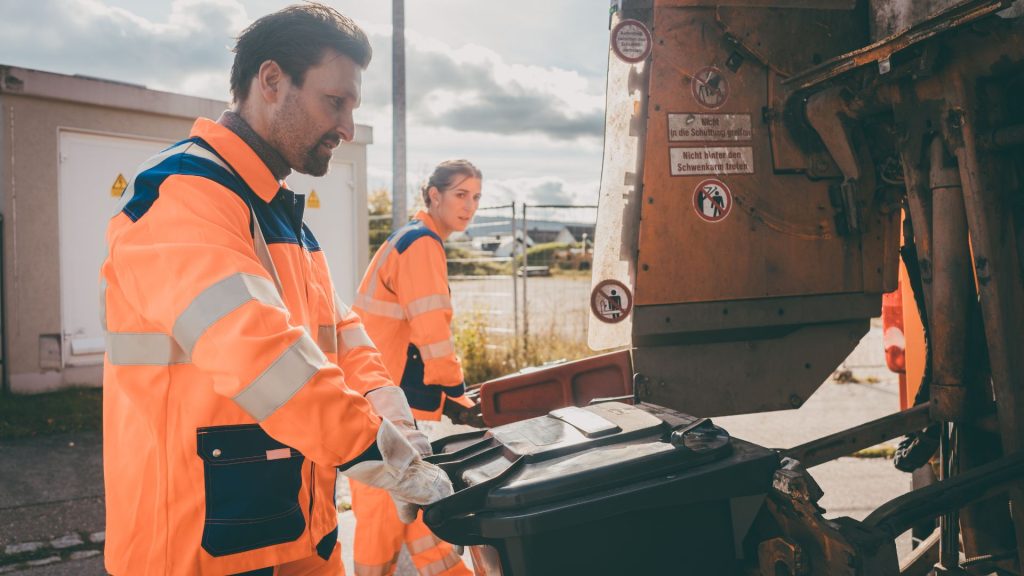
In addition, a cleaner, clutter-free environment encourages employees to remain vigilant about other safety practices. When workplaces are disorganized, small fire risks or electrical issues may go unnoticed, but a space regularly cleared of unnecessary items naturally draws attention to potential hazards. This not only safeguards against fire but enhances general awareness of safety protocols. A workplace that prioritizes proper disposal signals a commitment to health and security, encouraging staff to adopt safer habits in their daily routines. Effective junk removal contributes to a safer, more mindful work culture where risks are minimized before they can escalate.
Enhancing Air Quality and Reducing Allergens
Dust, mold, and other allergens often accumulate in forgotten piles of junk, hidden in corners, behind cabinets, or under old equipment. Over time, these elements degrade indoor air quality and can trigger respiratory issues among employees. Systematic junk removal eliminates these sources, creating a cleaner environment with fewer irritants. A well-maintained workspace not only supports physical health but also improves cognitive function and focus. Employees are better able to concentrate on their tasks when they are not fighting sneezes, itchy eyes, or persistent coughs caused by allergens lingering in their environment. Clearing junk becomes a preventive health measure, rather than a purely aesthetic choice.
Removing clutter also supports the effectiveness of ventilation and filtration systems. Air circulation can be obstructed when dust accumulates on surfaces or when old items block airflow, reducing the efficiency of HVAC systems and spreading particles throughout the workplace. Regular disposal of junk ensures that clean air circulates freely, helping to prevent seasonal illness spikes and maintaining overall workplace hygiene. This proactive approach can decrease absenteeism and improve general well-being, establishing a safer and healthier workspace. Employees feel more comfortable and productive in spaces where air quality is carefully managed through organized, clutter-free surroundings.
Preventing Physical Injuries in High-Traffic Areas
In workplaces with heavy foot traffic, such as warehouses, factories, or shared office spaces, clutter can quickly become a hazard. Items left on floors, stacked improperly, or temporarily stored in walkways increase the likelihood of trips, slips, and falls. Removing these obstacles is essential to safeguarding employees from preventable injuries. A clear workspace allows for unobstructed movement, making it easier to transport equipment, maneuver carts, or access storage without risking accidents. By adopting regular junk removal practices, businesses can create a safer, more navigable environment for everyone.
In addition, the process of removing junk provides an opportunity to inspect equipment, flooring, and storage systems. Identifying worn surfaces, unstable shelving, or damaged furniture during cleanups can prevent injuries before they occur. Addressing these hazards during removal routines strengthens overall workplace safety protocols. Employees notice and appreciate visible safety measures, which encourages them to report potential dangers promptly. Maintaining clear, organized, and clutter-free spaces is not only a matter of compliance but a direct investment in employee health and operational efficiency.
Supporting Ergonomics with Organized Workspaces
Disorganized workplaces often force employees into awkward positions to access materials or complete tasks, which can result in long-term musculoskeletal issues. Removing unnecessary items and properly organizing the remaining equipment supports better ergonomics, reducing strain on backs, shoulders, and wrists. Employees can work more efficiently when their environment is arranged to accommodate natural movement and proper posture. A workplace that prioritizes ergonomic-friendly layouts shows commitment to employee well-being and productivity, preventing minor aches from developing into chronic problems.
Beyond physical health, streamlined environments reduce cognitive load. Employees waste less time navigating around clutter and are less likely to feel overwhelmed by chaos. Mental strain can translate into careless movements, increasing the risk of injury. Consistent junk removal ensures that spaces remain tidy, functional, and conducive to ergonomic practices. When employees can focus on their tasks without unnecessary interference from clutter, they are more attentive, safer, and better able to contribute to a productive work environment.
Facilitating Emergency Preparedness
Emergencies require quick responses, and cluttered workspaces hinder safe and rapid evacuation. Obstacles in hallways, blocked exits, and piled-up materials can delay employees from reaching safety during incidents such as fires, earthquakes, or chemical spills. Junk removal clears these critical areas, ensuring pathways are always accessible. A well-maintained environment allows staff to respond calmly and efficiently during emergencies, reducing panic and potential injuries. Regularly clearing out obsolete or redundant items is a simple but crucial step in enhancing preparedness and protecting everyone on site.
Additionally, junk removal allows for proper storage of emergency equipment, such as fire extinguishers, first aid kits, and spill containment supplies. These items are only effective when they are accessible and visible. A tidy, organized workplace reinforces emergency procedures by keeping essential tools within reach and preventing clutter-related confusion. Staff confidence grows when they know they can navigate the environment safely during crises, strengthening overall workplace resilience. Removing junk becomes part of a broader safety strategy that saves lives and safeguards property.
Reducing Pest Infestations
Piles of old junk provide perfect hiding places for rodents, insects, and other pests. These infestations can compromise hygiene, damage property, and introduce health risks to employees. By implementing regular junk removal, workplaces reduce potential breeding grounds and make the environment less hospitable to unwelcome visitors. Open, organized spaces make it easier to spot early signs of infestations, allowing prompt intervention before the problem escalates. Maintaining cleanliness and removing clutter are essential practices in pest prevention and overall workplace health.
A pest-free environment directly impacts employee morale and health. Infestations can contribute to allergic reactions, spread diseases, and create stressful conditions for workers. Keeping the workspace clear of unnecessary junk not only mitigates these risks but also demonstrates a proactive approach to maintaining a safe, comfortable, and hygienic environment. Employees are more likely to respect safety policies and maintain order themselves when the space encourages healthy habits and minimizes potential hazards.
Encouraging Compliance with Safety Regulations
Workplace safety regulations often include requirements for clear spaces, proper storage, and unobstructed exits. Accumulated junk can make it difficult to comply with these regulations, potentially resulting in fines or legal complications. Regular junk removal ensures that workplaces remain compliant with safety standards and reduce liability. Clear, organized work areas reflect a commitment to regulatory adherence and show employees and visitors that the business takes safety seriously. Proactive removal prevents last-minute scrambles before inspections and builds a culture of ongoing responsibility.
Compliance goes beyond avoiding penalties. It fosters a mindset where safety is part of everyday operations rather than an occasional obligation. Employees are more likely to follow procedures, report issues, and maintain safe practices when the environment is designed to meet standards consistently. Junk removal becomes a vital tool in promoting a culture of compliance, integrating safety into the workflow, and maintaining accountability at all levels of the organization.
Minimizing Stress and Enhancing Mental Health
Workplace clutter can contribute to stress, reduce focus, and even affect overall mental health. Employees navigating through piles of unnecessary items may feel overwhelmed or frustrated, which can lead to lower productivity and increased mistakes. Removing junk creates a calmer, more organized environment, which supports mental well-being. A space that feels clean and manageable encourages employees to focus on their work rather than distractions caused by disorder. Regular removal of unwanted items shows a commitment to creating a supportive, stress-reduced workplace where staff feel comfortable and valued.
Decluttering also reinforces a sense of control and order, which has a positive psychological effect. Employees notice when management takes proactive steps to maintain a safe and organized environment, boosting morale and encouraging teamwork. Junk removal allows the workplace to function smoothly, both physically and mentally, ensuring that employees can perform their duties efficiently without unnecessary stressors. A focus on organized, hazard-free spaces demonstrates that health and safety are not just rules but a priority that benefits everyone involved.
Promoting a Culture of Safety and Responsibility
Implementing consistent junk removal practices sends a clear message to employees that safety is a priority. It fosters a culture where staff understand that maintaining an organized workspace is a shared responsibility, and everyone plays a role in reducing hazards. A culture of safety extends beyond physical removal of items—it influences behavior, encourages accountability, and shapes the workplace atmosphere. Employees are more attentive, proactive, and committed to following safety guidelines when they see organization and care modeled by the company.
This culture also enhances teamwork and communication. Employees are more likely to discuss potential risks, suggest improvements, and participate in safety initiatives when they operate in a tidy and hazard-free environment. Junk removal becomes part of daily routines, reinforcing safety as a constant consideration rather than an occasional task. Over time, this culture strengthens the organization’s overall resilience, ensuring that health and safety remain central to operations while fostering employee engagement and well-being.
Conclusion
Workplace health and safety are directly influenced by the state of the physical environment. Removing clutter, old equipment, and unused materials not only prevents accidents and injuries but also reduces fire hazards, improves air quality, and minimizes pest risks. By maintaining organized workspaces, businesses foster better ergonomics, mental health, and compliance with safety regulations. Employees benefit from improved focus, reduced stress, and increased confidence in emergency preparedness. Regular junk removal practices are not just practical—they are essential for sustaining a safe, productive, and supportive work environment that protects everyone on site.
Done Right Haul Away in Maryville provides professional junk removal services designed to enhance workplace safety. Their team helps businesses efficiently clear clutter, dispose of unwanted materials, and maintain compliance with safety standards. With experienced professionals handling the removal process, companies can focus on operations while reducing hazards and improving employee well-being. For reliable assistance with junk removal, contact Done Right Haul Away in Maryville at 865-236-0101 and take a proactive step toward a safer, healthier, and more organized workplace.