
Before beginning a foreclosure cleanout, it is essential to understand the property’s full scope and condition. Walking through each area allows you to identify hazardous items, bulky furniture, and materials that require special disposal. This initial assessment provides clarity on what tools, equipment, and manpower are necessary to tackle the job efficiently. Considering safety measures early ensures that team members can work without unnecessary risk, and it highlights items that may need recycling or donation, keeping the process environmentally responsible. Preparing a strategy at this stage can prevent delays once the cleanup begins.
Taking the time to thoroughly assess the property also provides insight into how long the project might take and which areas demand more intensive labor. Recognizing the challenges upfront allows for smarter planning and ensures that the cleanout progresses smoothly. By approaching the property methodically, each room can be cleared systematically, avoiding overlooked items and reducing stress. A well-planned assessment ultimately sets the foundation for an organized and efficient large-scale foreclosure cleanout.
Organizing a Team for Efficient Workflow
Handling a large foreclosure requires coordination among a capable team. Assigning roles based on strengths ensures that heavy lifting, sorting, and disposal happen simultaneously without overlap. Some team members can focus on removing hazardous items, while others can handle furniture, electronics, and smaller debris. Clear communication throughout the project keeps everyone informed and prevents bottlenecks, allowing the cleanout to proceed at a steady pace.
A structured workflow also maximizes efficiency and reduces physical strain on individuals. Proper delegation ensures that large or awkward items are handled safely, while smaller debris is sorted and directed to recycling or disposal areas. Teamwork in a large-scale cleanout transforms a daunting task into a manageable process, making it possible to restore the property quickly and safely while minimizing the risk of accidents or overlooked clutter.
Sorting Items for Disposal or Donation
Sorting items during a foreclosure cleanout is essential for effective junk removal. Separating valuables, recyclable materials, and trash at the start streamlines the process and ensures nothing is misplaced. Items that can be donated to local charities or repurposed contribute positively to the community while reducing the amount of waste sent to landfills. Understanding what can be recycled and what must be disposed of safely also prevents environmental harm and aligns the project with sustainable practices.
Proper sorting saves time later in the cleanout process. By organizing items into categories from the outset, team members can move quickly and focus on removing debris efficiently. Sorting ensures that hazardous materials are handled with caution and that valuable possessions are preserved or redirected, creating a balance between speed, safety, and social responsibility. This step is crucial for a well-executed foreclosure cleanout.
Removing Bulky Furniture and Appliances
Large pieces of furniture and appliances can present the greatest challenge in foreclosure cleanouts. Using the right equipment, such as dollies, straps, and protective coverings, reduces the risk of injury and property damage. Moving bulky items systematically from one room to designated disposal areas ensures a smooth workflow and keeps the workspace organized. Safety precautions, including lifting in pairs and clearing paths ahead of time, minimize accidents and damage.
Efficient removal of heavy items also allows for faster progress in clearing the property. Team coordination and careful planning prevent unnecessary strain and make it possible to complete the cleanout more quickly. By addressing bulky furniture and appliances thoughtfully, the process becomes more manageable, ensuring the property is cleared and ready for any necessary repairs or renovations.
Dealing with Hazardous Materials Safely
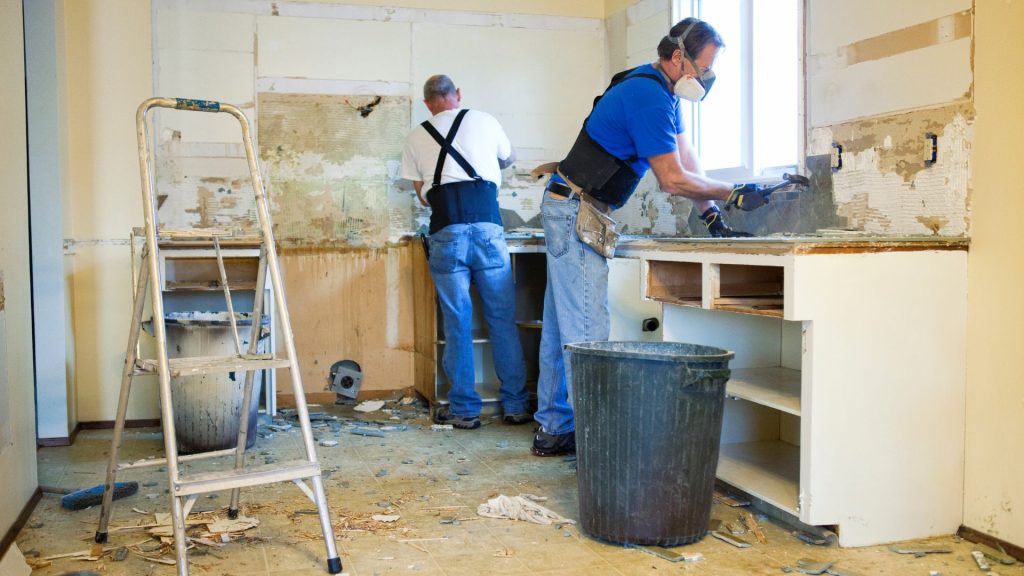
Foreclosure properties may contain hazardous substances such as old paint, cleaning chemicals, or mold. Identifying and handling these materials with care is crucial for health and safety. Protective gear, proper storage containers, and knowledge of local disposal regulations are essential to prevent accidents. Professionals prioritize safety while ensuring hazardous materials are disposed of responsibly, avoiding environmental contamination and potential legal issues.
Understanding the proper procedures for hazardous waste management reduces risk for the team and anyone entering the property. Safe handling practices allow the cleanout to continue without interruptions while maintaining a high standard of care. By addressing hazardous items with expertise and caution, the process becomes safer, more compliant, and more reliable for everyone involved.
Clearing Outdoor Areas and Landscaping Debris
Large-scale cleanouts often extend to the exterior of the property. Overgrown vegetation, broken fencing, and debris left behind can create additional challenges. Clearing these areas requires attention to detail, proper equipment, and careful disposal of yard waste and broken structures. By tackling the outdoors with the same systematic approach as the interior, the entire property is restored to a clean, manageable state.
Removing outdoor debris not only enhances the property’s appearance but also reduces safety hazards. Organized cleanup of landscaping waste allows for easier maintenance and inspection, while ensuring that discarded materials are properly managed. Addressing both indoor and outdoor areas creates a comprehensive cleanout that prepares the property for future use or sale.
Efficient Junk Removal and Waste Management
Efficient junk removal is central to completing a foreclosure cleanout successfully. Coordinating the transport of trash, recycling, and salvageable items to their respective destinations prevents clutter from piling up and slows progress. Proper equipment and vehicles streamline the process, making large-scale waste management achievable within a reasonable timeframe.
Strategically managing waste also reduces environmental impact and optimizes team efficiency. Sorting, transporting, and disposing of debris carefully ensures the property is cleared quickly and responsibly. Effective junk removal transforms a potentially overwhelming project into a structured and productive operation, leaving the property ready for its next stage.
Preparing the Property for Renovation or Sale
Once debris and clutter are removed, the property is prepared for its next chapter. Clean, empty spaces allow contractors, inspectors, or potential buyers to assess the condition of the property accurately. This stage may involve minor repairs, cleaning, or cosmetic improvements to enhance value and appeal. A thorough cleanout ensures that the property presents well and minimizes obstacles for future work.
Proper preparation also supports a smooth transition between foreclosure and resale or renovation. By providing a clear, uncluttered space, the property becomes easier to market, inspect, and restore. Attention to detail in the cleanup process ultimately impacts the property’s desirability and efficiency in moving to its next phase.
Maintaining Safety and Compliance Throughout the Process
Safety and compliance are ongoing priorities during a foreclosure cleanout. Adhering to local regulations, using protective gear, and implementing proper handling protocols ensures that the project remains lawful and accident-free. Maintaining a focus on safety protects both the team and the property, fostering an environment of responsibility and professionalism.
Compliance with disposal laws, environmental standards, and labor safety practices minimizes liability and supports a smooth workflow. By integrating safety measures into every step, the cleanout proceeds efficiently while maintaining high standards. A focus on safety and compliance reinforces the importance of careful planning and execution in large-scale projects.
Final Walkthrough and Quality Assurance
After the bulk of the work is completed, conducting a final walkthrough ensures no items are left behind and that all areas meet the expected standard. This inspection verifies that hazardous materials have been properly managed, outdoor spaces cleared, and interiors free from debris. Attention to detail in this stage guarantees a complete and thorough cleanout.
A final review also allows the team to address minor oversights before officially concluding the project. By confirming that every area has been addressed, the property is left in excellent condition, ready for the next phase of use or renovation. This step provides confidence that the large-scale foreclosure cleanout has been executed efficiently and responsibly.
Conclusion
Large-scale foreclosure cleanouts can be complex, but with careful planning, team coordination, and attention to detail, the process becomes manageable and efficient. Assessing the property, organizing team roles, sorting items, and handling hazardous materials are all integral steps in ensuring a successful outcome. Proper junk removal and preparation of both indoor and outdoor spaces support future renovation or resale efforts, enhancing the property’s value and usability. Following structured procedures also promotes safety, compliance, and environmental responsibility, making the cleanout process smoother and more professional.
Done Right Haul Away in Maryville specializes in junk removal, offering tailored services to handle even the most challenging foreclosure cleanouts. With a dedicated team, appropriate equipment, and a commitment to efficiency, they ensure that properties are cleared safely and responsibly. Their expertise in sorting, transporting, and disposing of debris allows homeowners, property managers, and investors to focus on the next steps confidently. For professional assistance, you can contact Done Right Haul Away in Maryville at 865-236-0101 and experience reliable and thorough junk removal services that streamline large-scale cleanouts.