
Assessing the Scope of Junk Removal Needs
After a major commercial renovation, the sheer volume of leftover materials can feel overwhelming. Renovation debris often ranges from large pieces of furniture, broken fixtures, and construction scraps to packaging materials and disposable office equipment. Assessing the full scope of junk removal is essential before planning your cleanup. Take time to survey each area of your commercial space, noting which items require special handling, which can be recycled, and which should go straight to disposal. Proper evaluation helps prevent overlooked clutter from creating safety hazards or operational bottlenecks.
Identifying the scale of junk also allows you to prioritize removal. Heavy items might need mechanical assistance or additional manpower, while smaller debris can be managed with standard carts or bins. Some materials, like electronics, chemicals, or hazardous construction materials, require compliance with local disposal regulations. By carefully planning ahead and categorizing debris, businesses can avoid the frustration of ad hoc cleanups and ensure that the renovated space remains functional, safe, and ready for use without unnecessary delays or accidents.
Separating Recyclables from General Waste
One of the most important steps in post-renovation commercial cleanup is separating recyclable materials from general waste. Renovation projects often generate cardboard, metal scraps, plastics, and other recyclable items. Sorting these materials early reduces landfill contributions and can even provide a cost benefit if your waste disposal provider supports recycling programs. Start by designating specific zones or containers for different material types. Clear labeling and staff awareness can prevent contamination, which might otherwise lead to rejected loads or fines.
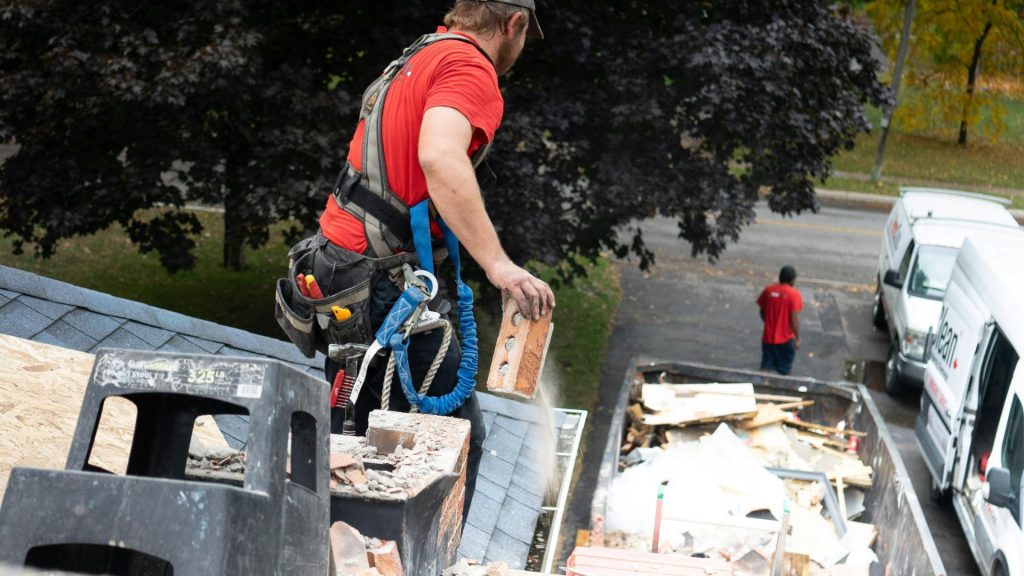
Beyond compliance, separating recyclables demonstrates corporate responsibility and a commitment to sustainable practices. Employees and visitors notice when a business actively engages in environmentally conscious practices, and this can enhance reputation in the community. Even for commercial spaces without public access, reducing waste and recycling efficiently contributes to long-term cost savings, better organization, and a smoother transition back to normal operations after renovation.
Planning the Logistics of Junk Removal
Effective commercial junk removal relies heavily on strategic logistics. Once you have assessed and sorted the junk, consider the timing, frequency, and methods of removal. Large-scale projects might require multiple trips, temporary staging areas, or coordination with waste hauling companies to ensure that removal doesn’t disrupt ongoing operations. Logistics planning also involves considering access points, loading docks, elevators, and parking availability for removal trucks or dumpsters.
Coordinating the movement of debris ensures safety for staff and minimizes the risk of property damage. It’s often helpful to assign a dedicated project manager or team member to oversee the removal process. This ensures accountability, smooth communication with contractors or hauling services, and the ability to adapt quickly if unforeseen challenges arise. Properly planned logistics can dramatically reduce stress, prevent delays, and maintain a professional appearance during post-renovation cleanup.
Using Professional Junk Removal Services
Engaging professional junk removal services can transform a chaotic post-renovation site into a clean, functional space quickly. Professionals bring experience, specialized equipment, and knowledge of local disposal regulations. This not only ensures compliance but also accelerates the removal process. Companies can handle heavy, bulky, or hazardous materials safely, reducing liability for your business and protecting your employees from potential injury.
Professional services also offer convenience, allowing your team to focus on reopening or resuming operations. The efficiency and expertise of trained haulers mean that your business space can be restored in days rather than weeks. Many service providers also offer recycling or donation options for items that are still usable, which aligns with sustainability goals and keeps unnecessary materials out of landfills. Using experts reduces stress and creates a smoother transition from construction chaos to operational readiness.
Creating a Safety Plan During Cleanup
Safety is paramount during any post-renovation cleanup. Large debris, sharp objects, dust, and unstable materials can all present hazards. Implementing a safety plan protects staff and contractors while minimizing the risk of workplace injuries. This may include providing gloves, hard hats, steel-toed boots, and dust masks, as well as enforcing proper lifting techniques and clear walkways.
A well-designed safety plan also considers emergency access and first-aid readiness. Communicating potential risks to all personnel involved in the cleanup ensures that everyone remains vigilant and avoids accidents. Safety checks before, during, and after debris removal help maintain compliance with occupational safety regulations and create a controlled environment where efficiency and safety go hand in hand. Prioritizing safety not only prevents injuries but also fosters a professional approach to post-renovation cleanup.
Optimizing Storage and Temporary Holding Areas
During commercial renovation cleanup, temporary storage areas often become necessary. These zones serve as holding areas for items awaiting disposal, recycling, or donation. Organizing these spaces properly prevents clutter from spilling back into functional areas and allows the removal process to proceed efficiently. Assigning designated spots for different materials and maintaining clear access paths ensures a smooth workflow.
Optimized storage also protects valuable or sensitive items from accidental damage. For instance, office equipment or electronics that are slated for reuse can be safely staged away from demolition debris. Even temporary arrangements can benefit from simple labeling, containment, and spatial planning. Efficient staging creates a more organized environment, reduces stress, and speeds up the final removal of junk, ensuring that your newly renovated commercial space remains tidy and professional.
Managing Hazardous Materials Carefully
Major renovations often produce hazardous materials such as paints, solvents, adhesives, or asbestos-containing debris. Managing these materials requires strict adherence to safety regulations and local disposal laws. Identify hazardous items early in the cleanup process and separate them from general waste. Special containers, protective gear, and trained personnel are often required for safe handling.
Improper disposal of hazardous materials can result in fines, legal complications, and environmental damage. It’s crucial to work with professionals or follow official guidelines to ensure that these substances are removed safely. Prioritizing proper handling of hazardous waste safeguards employees, customers, and the broader community, while also demonstrating your business’s commitment to responsible operations and environmental stewardship.
Streamlining the Cleanup Workflow
A systematic approach to cleanup maximizes efficiency and minimizes disruptions. Start by tackling areas that will immediately impact business operations, such as main entrances, hallways, and workspaces. Following a structured workflow ensures that debris removal does not block essential pathways or interfere with ongoing activities. Assigning responsibilities and clear sequences for removal tasks keeps the process organized.
Streamlining the workflow also involves real-time monitoring of progress and making adjustments as necessary. Unexpected debris volumes or timing conflicts can be resolved promptly when there is a clear plan and communication. By maintaining a methodical approach, businesses can complete cleanup faster, prevent wasted effort, and transition smoothly from a construction zone to a fully functional commercial environment.
Incorporating Sustainability Into Disposal Practices
Sustainable disposal practices are becoming increasingly important in commercial renovations. Whenever possible, materials should be recycled, reused, or donated instead of sent to landfills. Partnering with waste management providers who offer environmentally responsible disposal services can help your business achieve these goals. Identifying materials that can be repurposed reduces waste, supports community organizations, and may lower disposal costs.
Sustainability in junk removal also enhances your business’s reputation. Clients, customers, and employees often appreciate companies that prioritize environmental responsibility. Even small steps like diverting metal, cardboard, and wood from landfill can make a significant impact over time. Incorporating these practices into post-renovation cleanup demonstrates foresight, resourcefulness, and a commitment to a cleaner, more sustainable business environment.
Maintaining Ongoing Cleanliness After Renovation
Even after the initial junk removal, ongoing attention to cleanliness ensures that the renovated space remains functional and welcoming. Establish regular cleaning schedules and ensure that any minor debris or leftover materials are removed promptly. Establishing routines prevents clutter from accumulating again and preserves the investment made during the renovation.
Maintaining ongoing cleanliness also allows your staff and clients to navigate the space safely and efficiently. It reinforces professional standards and can improve workplace morale. By instilling habits of immediate disposal and organized waste management, your business benefits from a smooth, clutter-free environment that supports long-term operational efficiency and safety.
Conclusion
Handling commercial junk removal after a major renovation requires careful planning, safety awareness, and a commitment to efficiency. Assessing the scope of junk, separating recyclables, and creating a structured removal workflow ensures that your space can be restored quickly and safely. Incorporating professional services and sustainable disposal practices helps streamline the process while minimizing liability and environmental impact. Optimized staging and proper handling of hazardous materials further protect employees and the integrity of your newly renovated space.
For businesses looking for reliable support with post-renovation junk removal, Done Right Haul Away in Maryville provides expert services tailored to commercial needs. Their team can efficiently handle large volumes of debris, recycle or dispose of materials responsibly, and ensure that your commercial space is ready for immediate use. Contact Done Right Haul Away at 865-236-0101 for professional junk removal solutions that save time, protect your business, and maintain a safe and organized environment.