
Moving into a new home often uncovers items that have been tucked away for years. From outdated electronics to worn-out furniture, a big family move can leave you with piles of belongings that no longer fit your lifestyle. The first step in managing this clutter is to sort items into categories: things to keep, things to donate, and things to discard. Tackling each category one at a time reduces overwhelm and creates a clearer plan for disposal. By breaking the task into manageable sections, the process feels less daunting and more organized.
Engaging in this careful sorting also provides an opportunity to reflect on what truly matters. Items that hold sentimental value can be preserved, while those that no longer serve a purpose can be responsibly disposed of. Using a systematic approach ensures that nothing important is accidentally thrown away and that the transition to your new space is smooth. Ultimately, a thoughtful sorting strategy can transform post-move chaos into a streamlined, clutter-free environment, making your new house feel more like home.
Creating a Clear Plan for Junk Removal
After sorting through items, the next essential step is creating a plan for junk removal. Without a structured approach, unwanted items can quickly accumulate, turning your new space into a temporary storage site. Mapping out which items need professional removal and which can be handled independently helps prioritize tasks. Scheduling pick-ups or arranging drop-offs to recycling centers can streamline the disposal process and prevent stress from piling up.
Planning also allows families to coordinate efforts efficiently. By designating responsibilities to different family members, you can manage large volumes of junk without feeling overwhelmed. Furthermore, understanding local regulations for disposing of certain items, like electronics or appliances, ensures compliance and environmentally safe handling. A clear plan not only saves time but also encourages mindful decision-making, helping you manage your move with less hassle and more satisfaction.
Maximizing Space While Managing Leftover Items
Adjusting to a new home can highlight storage challenges, especially when leftover items seem to multiply overnight. Maximizing space requires creativity and practical thinking. Items that are still useful but not needed immediately can be stored in containers, while less valuable junk should be removed promptly. Cleverly arranging items in designated areas can make a significant difference in maintaining order and preventing clutter from spreading.
This stage is also an opportunity to establish long-term habits for managing possessions. Implementing organizational solutions such as shelving, bins, and labeling can prevent future accumulation. By addressing leftover items early, families can enjoy a cleaner, more functional living space. A structured approach ensures that every corner of the new home serves a purpose, turning a post-move mess into an efficiently organized environment where all family members can settle comfortably.
Engaging Professional Services for Large Items
Some items left behind after a move are too bulky or heavy for standard disposal methods. Engaging professional junk removal services can simplify the process and reduce physical strain. Experts bring the right equipment and expertise to handle items like large furniture, old appliances, and construction debris safely and efficiently. This professional support ensures that the removal process is smooth and minimizes risk of injury or property damage.
Hiring professionals also saves time, allowing families to focus on settling into their new home. A reliable service can assess the volume of items, schedule pick-ups, and ensure that everything is disposed of responsibly. For those managing a large family move, this support is invaluable, providing peace of mind that heavy or awkward items are being managed effectively. Professional involvement transforms an overwhelming task into a manageable and stress-free experience.
Donating and Recycling Unwanted Items
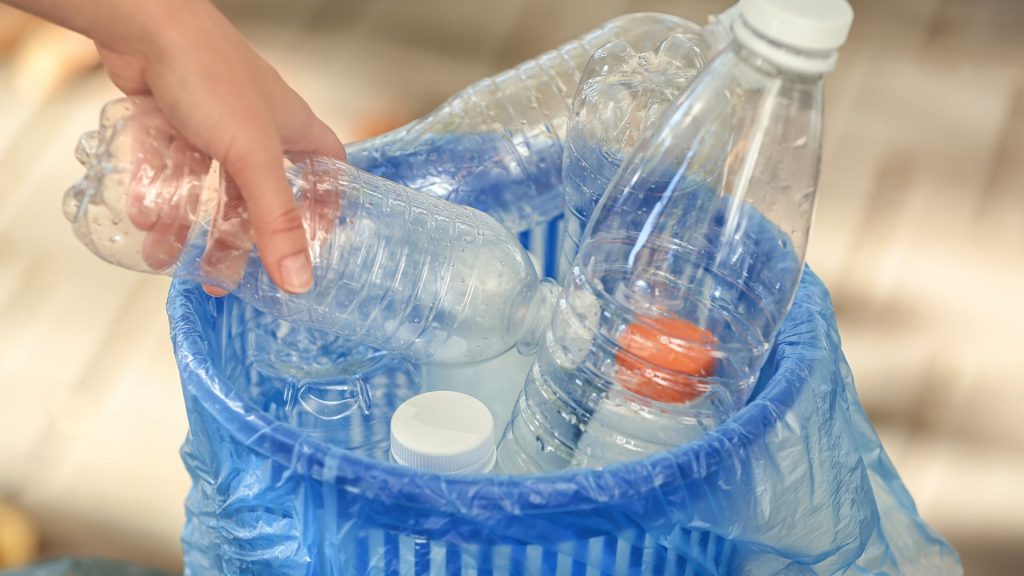
Not all items discarded after a move need to end up in a landfill. Donating usable items and recycling materials can make a meaningful difference. Clothing, household goods, and furniture can often find a second life through charitable organizations, while metals, electronics, and paper products are better suited for recycling facilities. This approach reduces waste and contributes to the community.
Incorporating donations and recycling into your junk management plan encourages responsible disposal practices. Families can coordinate with local centers to drop off items or schedule pick-ups. This effort not only benefits the environment but also offers the satisfaction of helping others. By thoughtfully directing unwanted belongings, you create a more sustainable move while clearing your home of unnecessary clutter.
Managing Paperwork and Small Debris
While larger items often get the most attention, paperwork and small debris also accumulate during a move. Shredding sensitive documents and recycling paper materials is crucial for maintaining privacy and organization. Similarly, broken or discarded small items, such as kitchen gadgets or toys, should be grouped and removed to prevent them from cluttering living spaces.
Managing these smaller items requires a deliberate strategy. Setting aside a dedicated area for papers and minor debris allows families to process them systematically. Ensuring timely disposal or recycling prevents accumulation, maintaining a cleaner and more orderly environment. By addressing even the smallest forms of clutter, post-move stress is reduced, and the home quickly becomes a comfortable, functional space.
Establishing a Disposal Timeline
Without a timeline, junk removal can drag on indefinitely, turning your home into a cluttered, stressful environment. Establishing a timeline sets clear goals for when items should be sorted, removed, or recycled. This structured approach encourages steady progress and prevents the task from becoming overwhelming. By assigning realistic deadlines, families can manage the post-move transition more efficiently.
A timeline also allows for coordination with professional services or local recycling centers. Knowing when to schedule pick-ups or drop-offs ensures that no items are left to pile up. By approaching junk management with a defined schedule, you create a sense of momentum, making the process manageable and less burdensome. Timely action transforms a potentially chaotic situation into a controlled, organized experience.
Handling Hazardous Materials Safely
Moves often reveal hazardous materials such as paint, cleaning chemicals, and batteries. These items require careful handling to avoid accidents and environmental harm. Understanding local disposal regulations is essential to ensure safe removal. Segregating hazardous materials from general junk prevents contamination and reduces risk.
Families should also consider specialized disposal services for items that cannot be safely discarded in standard trash. Professional guidance ensures compliance with laws and minimizes exposure to potential hazards. By prioritizing safety, you not only protect your household but also contribute to environmental responsibility. Proper handling of hazardous materials is a key component of effective post-move junk management.
Involving the Whole Family in Cleanup
Managing junk after a move can be more effective when the entire family participates. Assigning age-appropriate tasks to each member encourages responsibility and speeds up the process. From sorting to carrying smaller items to disposal areas, collective effort reduces the individual burden.
Family involvement also fosters a sense of teamwork and accomplishment. Children learn organizational skills and environmental responsibility, while adults gain support in tackling large-scale cleanups. By engaging everyone, the post-move transition becomes a shared experience rather than a solitary task. Collaboration transforms junk management into a manageable, even rewarding, activity.
Creating a Long-Term Strategy for Decluttering
Once the immediate post-move junk is handled, it’s wise to establish a long-term decluttering strategy. Regularly evaluating possessions, donating items no longer needed, and recycling responsibly prevents future accumulation. Maintaining organized spaces ensures that the home remains functional and welcoming.
A long-term strategy also reduces stress during future moves or major life events. Implementing habits such as scheduled cleanups, mindful purchasing, and designated storage areas encourages consistent order. By thinking ahead, families can enjoy a clutter-free home that supports both daily living and long-term peace of mind.
Conclusion
Managing junk after a significant family move can feel daunting, but with a structured approach, it becomes a manageable and even rewarding process. From sorting belongings and creating a clear removal plan to engaging professional services for bulky items, families can regain control over their new living space efficiently. Thoughtful decisions regarding donations, recycling, and proper handling of hazardous materials ensure that post-move cleanup is not only practical but environmentally responsible. Involving the whole family further fosters cooperation and shared accountability, transforming what might be an overwhelming task into a productive team effort. Establishing a long-term strategy for decluttering ensures that the home remains organized and functional well beyond the initial move, creating a welcoming environment for all members.
For families in Maryville, professional junk removal services offer a convenient solution to managing post-move clutter. Done Right Haul Away provides reliable assistance for disposing of unwanted items, including furniture, appliances, and general household junk. Their team helps coordinate pickups, recycling, and safe disposal, making the process stress-free. Families can reach Done Right Haul Away at 865-236-0101 to schedule services and ensure that their new home remains tidy, functional, and enjoyable immediately after a big move.