
Choosing Eco-Friendly Disposal Methods
When it comes to junk removal, the way you dispose of items has a direct effect on the environment. Many people overlook the fact that simply throwing everything in a landfill contributes to pollution and unnecessary waste. By exploring eco-friendly disposal methods, you are actively reducing your carbon footprint and conserving resources. Opting for services that prioritize recycling, repurposing, and responsible waste handling ensures that your discarded items are processed in a way that benefits the planet. This might include separating metals, plastics, and wood to make sure they enter the appropriate recycling streams rather than remaining in landfills for decades.
Selecting the right disposal method also involves considering the life cycle of the items you are discarding. Electronics, appliances, and other materials can release harmful chemicals if improperly dumped, which can contaminate soil and water. By partnering with waste management services that follow green protocols, you are helping to prevent environmental hazards. Additionally, these practices can extend the life of resources by reintroducing materials back into the production cycle. Taking small steps to choose environmentally responsible disposal options builds a sustainable approach to junk removal, showing that every decision matters when it comes to protecting the ecosystem.
Sorting Junk for Maximum Recycling
One of the most effective ways to minimize environmental impact is through diligent sorting. Not all junk is created equal, and separating materials by type ensures that the maximum amount of waste can be recycled or repurposed. Metals, plastics, paper, and cardboard each have specific recycling channels that require careful handling. By dedicating time to sort items before disposal, you prevent recyclables from being mixed with general waste, which often results in contamination and limits the potential for reuse.
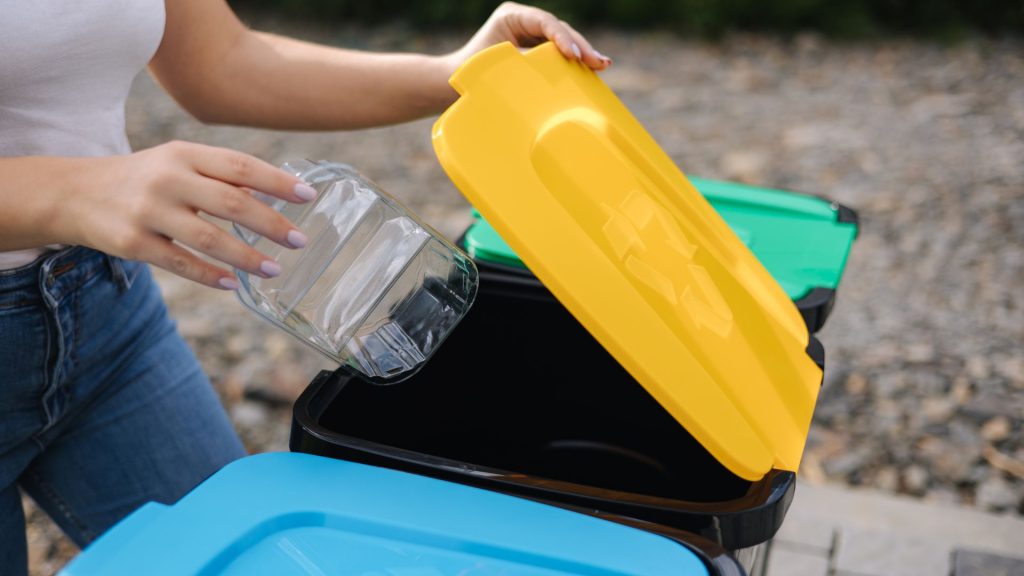
Sorting also provides a clear picture of what can be diverted from the landfill entirely. Old furniture, electronics, and appliances may be broken down into components that can be used in new products. Textiles can be donated or transformed into other materials. Organic waste can be composted instead of taking up landfill space. This proactive approach ensures that you are doing everything possible to recycle efficiently. The effort might seem small in the moment, but it creates a ripple effect by reducing the overall waste footprint and supporting sustainable resource cycles.
Reducing Waste Through Donation
Not every item you consider junk needs to be discarded permanently. Many items retain value and can have a second life through donation. Clothing, furniture, appliances, and even electronics often find new homes when donated to local charities or nonprofit organizations. This approach not only prevents waste but also benefits your community by providing essential items to those who need them most. By thinking creatively about reuse, you transform potential trash into valuable resources.
Donation also aligns with broader environmental goals by reducing the demand for new products. Manufacturing new goods consumes energy and raw materials, often contributing to greenhouse gas emissions. By redirecting items toward donation, you are indirectly reducing production pressures and helping conserve natural resources. Furthermore, donating encourages responsible consumer habits, inspiring others to consider alternatives to disposal. Every item that avoids the landfill represents a conscious choice to support sustainability and community welfare.
Understanding Hazardous Material Handling
Certain items in your home or business require special attention because of their potential to harm the environment. Hazardous materials such as batteries, paint, chemicals, and electronic waste must never be disposed of with regular trash. When improperly handled, these substances can leak toxins into soil and water, causing long-term damage to ecosystems. Understanding how to manage hazardous materials is essential for responsible junk removal and environmental stewardship.
Professionals in the junk removal industry are trained to identify and handle these materials safely. They use specific containment, transportation, and disposal protocols to ensure no harmful substances escape into the environment. In addition, recycling centers may accept certain hazardous items for specialized processing, turning potentially dangerous waste into safely managed materials. Educating yourself about these risks and following proper disposal guidelines ensures that you protect the planet while maintaining a safe environment for your family and neighbors.
Incorporating Repurposing in Cleanup Projects
Repurposing is an often-overlooked strategy for environmentally conscious junk removal. Instead of viewing old items as waste, consider how they might be creatively reused. Wooden furniture can be refurbished, glass jars can become storage containers, and textiles can be transformed into rags or art projects. This approach not only reduces landfill contributions but also encourages innovation and sustainability in everyday life.
Repurposing has additional benefits beyond environmental impact. It provides an opportunity to engage with your surroundings and find new value in items you might otherwise discard. Local makerspaces and DIY enthusiasts often welcome repurposed materials, turning one person’s junk into someone else’s treasure. The more you explore repurposing options, the less waste you produce, and the more you foster a culture of resourcefulness and environmental awareness in your community.
Collaborating with Local Recycling Centers
Local recycling centers play a critical role in minimizing the environmental impact of junk removal. These facilities provide the infrastructure needed to process metals, plastics, paper, and electronics safely and efficiently. Building a relationship with recycling centers can make your cleanup efforts more effective and environmentally responsible. By understanding what materials each center accepts and how they process them, you can make more informed decisions about disposal.
Collaboration extends beyond simply dropping off items. Many recycling centers offer programs for bulk pickup, hazardous waste management, and even donation partnerships. Taking advantage of these services ensures that items are properly handled and diverted from landfills whenever possible. By working with local centers, you are not only streamlining your junk removal process but also reinforcing a sustainable approach to waste management that benefits your entire community.
Minimizing Carbon Footprint During Hauling
Transportation is often a hidden contributor to environmental impact during junk removal. Multiple trips, inefficient routes, and fuel consumption can increase your carbon footprint significantly. Minimizing environmental impact involves careful planning to reduce unnecessary travel and optimize hauling efficiency. Choosing companies or strategies that prioritize fuel-efficient vehicles and route optimization is an important step toward greener junk removal.
Additionally, combining multiple disposal tasks into a single trip reduces emissions and energy consumption. Some junk removal services offer eco-conscious fleets or vehicles powered by alternative energy sources, further reducing environmental strain. By thinking about transportation and logistics, you are taking a holistic approach to sustainability. Minimizing your carbon footprint during hauling ensures that your junk removal efforts align with broader environmental goals.
Planning Efficient Junk Removal Projects
Efficient planning is key to minimizing environmental consequences. Before starting a cleanup, assess the items you need to remove, sort them according to recyclability, and designate proper disposal channels. A well-thought-out plan reduces mistakes, prevents unnecessary trips, and ensures that materials are handled correctly. Planning also allows you to identify items suitable for donation or repurposing, further diverting them from landfills.
A strategic approach to junk removal benefits both the environment and your peace of mind. By knowing what to expect and how to manage each category of waste, you reduce stress and waste simultaneously. Proper preparation ensures that even large-scale cleanouts are environmentally responsible, turning what could be a chaotic process into a controlled, sustainable effort that supports your long-term goals for waste reduction.
Educating Your Community on Responsible Disposal
Your personal efforts in sustainable junk removal can extend beyond your own property by educating neighbors and community members. Sharing tips, resources, and best practices helps build a culture of responsible disposal. Hosting community cleanup days, distributing recycling guides, and encouraging donation programs are all ways to spread awareness and reduce collective environmental impact.
Community education also strengthens support for local recycling initiatives and responsible waste handling. The more people understand the consequences of improper disposal, the more likely they are to adopt sustainable habits. Promoting environmental literacy ensures that your impact goes beyond immediate junk removal, influencing long-term behaviors that contribute to healthier ecosystems and cleaner neighborhoods.
Long-Term Strategies for Sustainable Junk Management
Sustainability in junk removal requires a long-term perspective. It is not just about one cleanup but about consistently implementing responsible practices. Setting goals for regular recycling, donation, and repurposing ensures that you are continually minimizing environmental impact. By developing habits and systems that prioritize sustainability, you create a foundation for long-lasting environmental stewardship.
Long-term strategies also involve staying informed about evolving recycling technologies, local disposal regulations, and new methods for reducing waste. Adapting to these changes helps you remain effective in your environmental efforts. Sustainability becomes a lifestyle rather than a one-time action, embedding eco-conscious decision-making into every aspect of junk management. Over time, these cumulative efforts lead to a significantly reduced environmental footprint and a more responsible approach to waste.
Conclusion
Minimizing environmental impact through junk removal is a commitment that requires thoughtful planning and deliberate action. From choosing eco-friendly disposal methods to incorporating repurposing and donation, every step matters in reducing waste and conserving resources. Working closely with local recycling centers and adopting strategies to reduce your carbon footprint during hauling ensures that your junk removal process remains environmentally responsible. Educating your community further strengthens these efforts, creating a culture of sustainability and mindful disposal that benefits everyone.
Done Right Haul Away in Maryville provides professional junk removal services that prioritize environmentally responsible practices. By contacting them at 865-236-0101, you gain access to a team dedicated to recycling, repurposing, and proper waste handling. Their approach ensures that discarded items are managed safely and efficiently, minimizing harm to the environment. Choosing sustainable junk removal services like Done Right Haul Away allows you to protect the planet while maintaining a clean, organized space. With their expertise, you can confidently reduce your environmental footprint and contribute to a healthier, more sustainable community.