
When concrete demolition wraps up, what’s left behind can be both heavy and hazardous. Those rough slabs, crumbled edges, and dusty fragments aren’t something that can be casually tossed in a trash bin. Many homeowners don’t realize that concrete is classified as construction waste, meaning it requires special handling to prevent harm to the environment and to ensure safety during transport. The dust alone can cause respiratory issues if mishandled, while the sheer weight of the debris can strain tools, vehicles, and even the people attempting removal.
The safest route begins with planning. Before lifting a single chunk, assess the amount of debris and where it will go. Wear sturdy gloves, eye protection, and a mask to avoid injuries or dust exposure. Concrete often contains small bits of metal or rebar that can easily slice through skin or damage tools. Separating these elements first saves time later and makes recycling easier. Taking time to prepare not only protects you but streamlines every step that follows.
Sorting and Separating Concrete from Other Materials
Concrete debris rarely comes alone. During removal, it often mixes with soil, wood, metal, or asphalt. Sorting the materials is an essential step in proper disposal. Keeping concrete separate from other materials allows for efficient recycling and prevents contamination. Recyclers often refuse mixed loads because separating them afterward consumes additional labor and cost. So, start by setting up a designated area where the debris can be sorted manually or mechanically.
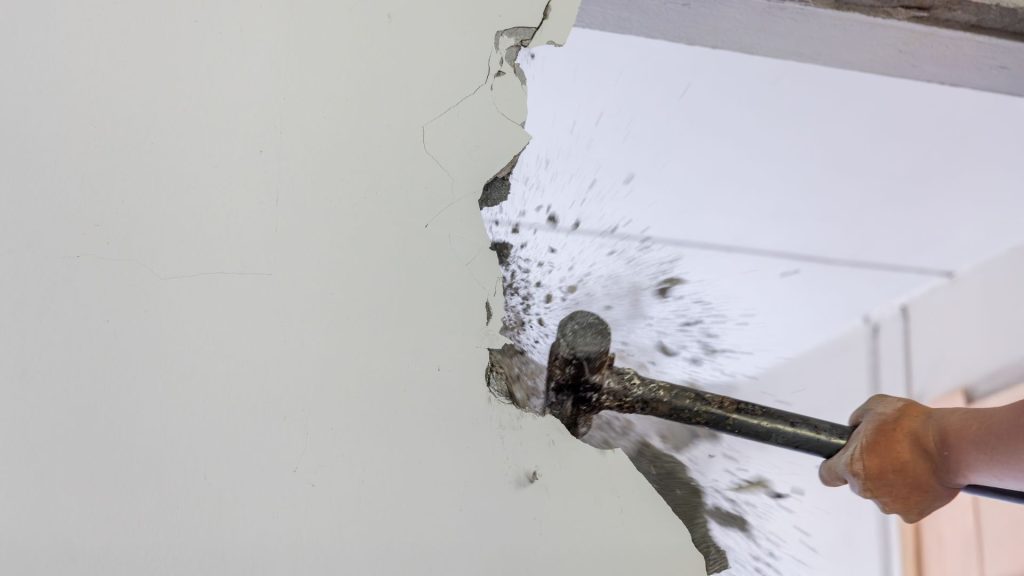
Once the concrete is isolated, check for embedded metal rods or mesh. These materials can be recycled separately, reducing waste and even earning a small return depending on the scrap market. Clean, uncontaminated concrete can be ground down and repurposed for road base or fill material. By taking the time to sort, you not only make the process more sustainable but also avoid the hassle of rejected loads or fines from improper disposal.
Utilizing Recycling Centers and Drop-Off Facilities
Recycling concrete is one of the most effective and eco-friendly methods of dealing with construction debris. Many recycling centers specialize in processing concrete waste, turning it into gravel, crushed stone, or aggregate for new projects. This approach conserves natural resources and keeps heavy materials out of local landfills, which are already under strain. The process typically involves crushing the concrete into smaller pieces and screening out any impurities like rebar or soil.
Before heading to a recycling center, call ahead to confirm what materials they accept and whether any preparation is required. Some facilities may require the concrete to be broken into smaller sections for easier handling. Transporting concrete debris can also be tricky—its density can quickly overload a truck if not carefully measured. Using professional hauling services ensures that the debris reaches the proper recycling center without risk of damage, overloading, or safety hazards on the road.
Repurposing Concrete for Home or Landscaping Projects
Not all concrete debris needs to leave your property. With a bit of creativity, those leftover slabs or chunks can take on new life as practical or decorative additions to your landscape. Large, flat pieces can serve as stepping stones, garden edging, or retaining walls. Crushed concrete can also be used as a substitute for gravel in driveways or walkways. Reusing what you already have not only saves money but reduces your environmental footprint.
Before repurposing, ensure the concrete is free from paint, sealant, or chemical residue, as these can leach into the soil. A quick rinse or pressure wash can help remove dirt and dust. For larger design ideas like garden walls, make sure to use stable, even pieces and secure them properly to avoid shifting. Repurposing concrete gives you the satisfaction of transforming waste into something useful while adding texture and character to outdoor spaces.
The Importance of Safe Lifting and Handling
Concrete debris can easily cause injuries if lifted or moved incorrectly. Even small chunks can weigh dozens of pounds, and uneven shapes make them awkward to handle. Always lift with your legs, not your back, and avoid twisting movements when carrying heavy materials. If the pieces are too large, use wheelbarrows, dollies, or machinery designed for heavy lifting instead of relying on physical strength alone.
Working with a team makes the job safer and faster. Communication is key—make sure everyone knows when and where pieces are being moved to prevent accidents. Wearing steel-toed boots and heavy-duty gloves can help avoid crushed toes or hand injuries from sharp edges. When the debris must be loaded into a vehicle or dumpster, stack it carefully to prevent shifting during transport. A slow, deliberate approach to lifting and loading minimizes strain and keeps everyone safe throughout the process.
Preventing Environmental Damage During Disposal
Improper concrete disposal can lead to significant environmental harm. Dumping concrete in undesignated areas may cause soil contamination and disrupt drainage systems. When concrete dust enters nearby waterways, it can alter pH levels, posing risks to aquatic life. Responsible handling ensures these materials don’t negatively impact the surrounding ecosystem.
Using lined containers or tarps when transporting debris helps prevent dust and small particles from scattering. If there’s leftover slurry or wet concrete, never pour it down drains or into soil, as it can harden and block pipes. Allow it to dry fully, then dispose of it as solid waste. Keeping disposal methods environmentally conscious not only avoids penalties but also demonstrates accountability to the community and the environment.
Using Professional Help for Concrete Cleanup
Dealing with concrete debris can be more demanding than it seems. The weight, volume, and potential hazards often call for professional assistance. Hauling companies equipped with the right tools and trucks can handle large-scale cleanups safely and efficiently. They know where to dispose of concrete legally and responsibly, ensuring that as much as possible gets recycled rather than dumped.
Relying on professionals saves time and reduces the risk of personal injury. It also eliminates the stress of figuring out transportation logistics and local disposal regulations. These teams often work quickly, clearing away debris in a fraction of the time it would take with manual labor alone. Choosing experts ensures that every aspect of the cleanup process—from collection to recycling—is handled safely and in compliance with environmental standards.
Managing Concrete Dust and Airborne Particles
Concrete dust can linger long after removal, posing respiratory risks and settling over surrounding surfaces. Managing it properly is critical for maintaining a safe environment. Start by lightly misting debris before handling to minimize airborne dust. Avoid using high-pressure air to clean surfaces, as it only spreads the particles further. Wearing a proper respirator mask provides added protection against fine dust that can enter the lungs.
When sweeping or vacuuming, use equipment fitted with HEPA filters to capture the smallest particles effectively. Open windows and ensure proper ventilation if working indoors. Dispose of collected dust responsibly—never sweep it into drains or open soil areas. Keeping dust under control helps protect not only those doing the work but also nearby neighbors and wildlife exposed to drifting particles.
Legal and Local Guidelines for Concrete Disposal
Every city has its own rules for handling construction waste, and ignoring them can result in fines. Local regulations often dictate how and where concrete can be disposed of or recycled. In some areas, dumping concrete in regular trash bins or on public land is strictly prohibited. Checking these guidelines before beginning removal ensures compliance and prevents legal headaches later on.
Contacting the local waste management department can provide clear information about permitted drop-off points, weight limits, and recycling options. Some municipalities even offer free or low-cost collection programs for construction debris. Staying informed about the regulations in your area not only helps avoid penalties but promotes responsible, sustainable waste practices that benefit the entire community.
Maintaining a Clean Worksite After Concrete Removal
Once the heavy lifting is over, attention should shift to cleanliness and safety. Dust, small shards, and leftover debris can pose hidden hazards if not addressed promptly. Begin by sweeping or vacuuming the site thoroughly, ensuring no sharp fragments are left behind. If the area is outdoors, rinse the surface to remove fine dust and restore the appearance of the space.
Proper cleanup also prevents future issues, such as drainage blockages or surface damage caused by lingering residue. Dispose of cleaning materials like rags or filters responsibly to prevent recontamination. A clean, debris-free site reflects professionalism and care for the property, whether the project took place in a backyard, driveway, or commercial lot.
Conclusion
Dealing with concrete debris safely demands both strategy and awareness. It’s more than just hauling away broken slabs—it’s about protecting your health, the environment, and your property while ensuring the materials are put to good use wherever possible. Responsible disposal practices, proper safety gear, and adherence to local regulations make the process smoother and more sustainable from start to finish.
For those who prefer a stress-free approach, professional help is always an option. Done Right Haul Away in Maryville provides reliable junk removal services designed to handle concrete debris with care and efficiency. Their team ensures every load is managed responsibly, keeping your space clean and compliant with environmental standards. When it’s time to clear away concrete waste safely, call 865-236-0101 to have the job done right.