
Old restaurant equipment can pile up over time, slowly consuming valuable space that could otherwise be used for new tools, storage, or better workflow. A cluttered kitchen doesn’t just look disorganized—it can become a serious safety issue for staff. Items like commercial refrigerators, ovens, fryers, and dishwashers often contain chemicals, oils, or electronic parts that require special disposal methods. Throwing them out without proper handling risks contamination and potential fines. Responsible equipment disposal ensures compliance with local regulations and promotes sustainability by reducing unnecessary landfill waste. It’s a step toward maintaining a cleaner, safer, and more efficient business environment that reflects professionalism and care for the community.
When you dispose of outdated kitchen machines the right way, you’re doing more than tidying up. Many of these appliances have recyclable materials like stainless steel, copper, or aluminum that can be repurposed instead of discarded. Refrigerants and oils must be drained properly to prevent environmental damage, and certain electronic components may need certified recycling. By taking these extra steps, restaurant owners help minimize their ecological impact while promoting responsible business practices. What initially feels like a tedious task becomes an opportunity to refresh the workspace, reclaim storage areas, and contribute positively to sustainability goals.
Evaluating What Needs to Be Removed
Before hauling out any equipment, it’s crucial to take a step back and evaluate what truly needs to go. Not all old machines are worthless—some may just require a simple repair, while others consume excessive energy or pose safety concerns. Assessing each appliance carefully helps identify which items can still be useful, sold, or refurbished. This evaluation prevents unnecessary disposal and ensures that functional materials aren’t wasted. Creating a detailed inventory helps organize the process and provides a clearer understanding of what’s staying and what’s leaving. For restaurants juggling daily operations, this thoughtful approach makes transitions smoother and more cost-effective.
Taking time to analyze your equipment can also uncover hidden value. Components from broken machines, such as motors or stainless panels, can often be reused in newer units or sold to suppliers who specialize in refurbishing. By separating items that can be repaired or recycled, you reduce disposal costs and environmental waste. It’s a methodical way to ensure nothing of worth is lost amid the cleanup process. A well-planned evaluation transforms the overwhelming task of disposal into a manageable project that keeps your business organized, sustainable, and forward-thinking.
Preparing Equipment for Removal
Preparation plays an essential role in ensuring the removal process is safe and smooth. Start by disconnecting all power sources—electrical cords, gas lines, and water connections—to prevent leaks, shocks, or accidents. Large appliances should be emptied, cleaned, and dried before transport to eliminate odors and leftover residue. Remove detachable parts such as trays, shelves, or panels to make handling easier and reduce the risk of damage during movement. This extra effort may seem time-consuming, but it saves hours of trouble once the hauling begins. Proper preparation also protects surrounding areas from spills, scratches, and debris.
When working with heavy equipment, careful planning is key. Map out clear paths from the kitchen to the exit, removing any obstacles that could cause injury or delays. Use dollies, moving straps, or carts designed for industrial equipment, and make sure enough people are available to assist. Never rush through the process—safety should always come before speed. Preparing ahead of time minimizes disruptions to operations and keeps your staff and property safe from harm. A well-organized approach not only streamlines removal but also leaves your workspace cleaner, safer, and ready for upgrades.
Recycling Options for Commercial Kitchen Equipment
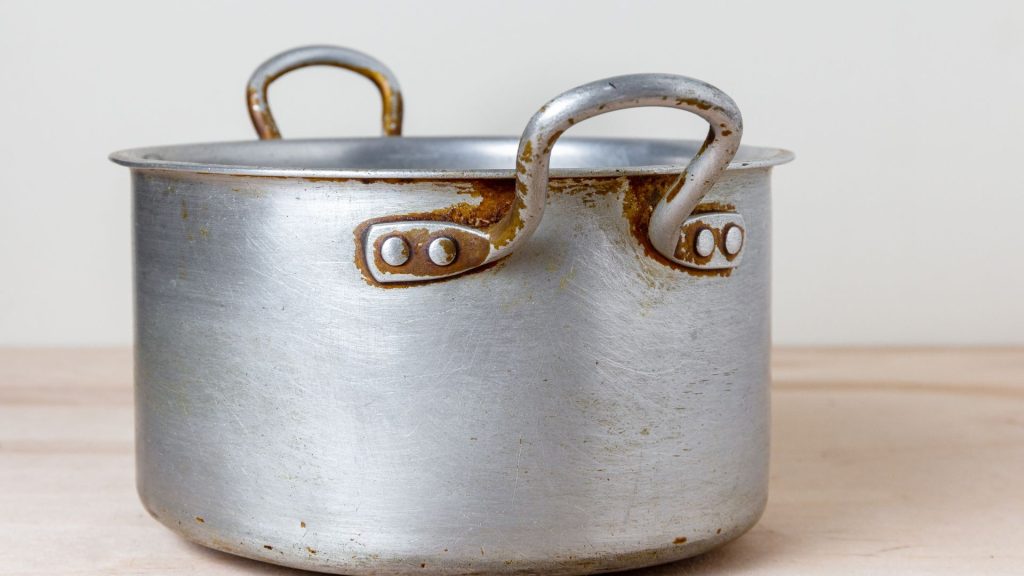
Recycling is one of the most environmentally responsible ways to handle outdated restaurant equipment. Many kitchen appliances are made with recyclable metals such as aluminum, copper, and steel, which can be processed and transformed into new materials. Plastics, glass, and even certain electrical components can also find new life through recycling programs. Choosing this route not only diverts waste from landfills but also supports industries committed to sustainability. For restaurant owners, recycling is more than an ethical choice—it’s an investment in a cleaner, more resource-efficient future.
To recycle correctly, locate certified recycling centers that accept commercial-grade appliances. Some facilities specialize in handling large equipment, while others work with scrap metal recyclers for dismantling and separation. Partnering with these facilities ensures hazardous components like refrigerants or oils are removed safely before processing. Some recyclers even offer compensation for valuable metals, turning your old equipment into a small profit. By opting for recycling, restaurant owners contribute to eco-friendly initiatives and demonstrate leadership in responsible waste management. Every recycled item is one less piece of waste impacting the planet.
Donating Usable Restaurant Equipment
Not all old restaurant equipment has reached the end of its lifespan. Many appliances, though outdated for your current needs, might still be in good working condition. Donating them to smaller restaurants, nonprofit kitchens, shelters, or culinary training programs gives these tools a second chance to serve a purpose. This act of generosity not only benefits others but also keeps large appliances from ending up in landfills. It’s a meaningful way to give back to the community while reducing environmental waste.
Before donating, ensure the equipment is thoroughly cleaned, tested, and safe to use. Organizations that accept donations often evaluate items before redistribution to confirm functionality and safety compliance. Minor repairs can increase the lifespan of donated machines, making them more useful to the recipients. Donations can also reduce your disposal costs while fostering goodwill and strengthening community relationships. By transforming an old oven or fridge into a resource for someone else, you turn disposal into a positive, purposeful act that benefits both people and the planet.
Working with Professional Junk Removal Services
Handling the removal of commercial kitchen equipment on your own can be both physically demanding and logistically complex. Professional junk removal services simplify the process by managing everything from start to finish. These specialists are trained to handle heavy, hazardous, or oversized items safely. They come equipped with the right tools, vehicles, and disposal knowledge to ensure the job gets done efficiently. For restaurant owners juggling busy schedules, this professional help is a major relief.
Working with trained experts also guarantees compliance with local waste disposal regulations. They know how to separate recyclable parts, transport items securely, and dispose of restricted materials responsibly. Choosing professionals reduces the risk of injuries or property damage and saves time that can be better spent focusing on daily operations. Reliable removal teams transform what could be a stressful cleanup into an easy, well-coordinated process. Their efficiency, combined with responsible disposal methods, ensures that your restaurant’s old equipment is handled properly from start to finish.
Ensuring Environmental Responsibility in Disposal
In today’s environmentally aware world, restaurants are expected to operate with sustainability in mind. Proper equipment disposal plays an important role in reducing a business’s environmental footprint. Many old appliances contain substances like refrigerants, oils, or electronic parts that can harm the environment if released improperly. Responsible disposal means ensuring these materials are removed and processed in compliance with environmental laws. Doing so not only protects the ecosystem but also strengthens a restaurant’s public image as a responsible and conscious establishment.
Eco-friendly disposal practices reflect a restaurant’s long-term commitment to the planet. Collaborating with recycling programs or certified disposal teams helps guarantee that harmful materials are managed safely. Customers increasingly prefer supporting businesses that make conscious efforts to reduce waste and operate sustainably. By turning disposal into an act of environmental care, restaurants uphold their integrity while setting an example for others in the industry. Sustainability, when integrated into every aspect of operations, becomes a sign of genuine leadership and responsibility.
Safety Precautions When Handling Heavy Equipment
Removing old restaurant equipment requires careful attention to safety. Machines such as stoves, fryers, and commercial refrigerators are often extremely heavy, with awkward shapes that make them difficult to maneuver. Without the proper tools, serious injuries or property damage can occur. To ensure a safe removal, always use the correct moving equipment—hand trucks, lifting straps, and protective gloves. Wearing sturdy footwear and keeping a clear path between the kitchen and the exit reduces the chance of accidents. Safety precautions protect both workers and property throughout the process.
Another important step is to disconnect all power sources before removal. Electrical and gas lines must be shut off to prevent sparks, leaks, or fires. Avoid attempting to lift heavy appliances alone; instead, work in teams to balance weight evenly. By prioritizing safety over speed, restaurant owners prevent unnecessary injuries and expenses. Careful planning and teamwork make the removal process more controlled and secure. A disciplined approach demonstrates professionalism and ensures every piece of equipment is handled without incident.
Legal Considerations for Commercial Disposal
Disposing of commercial kitchen equipment involves more than physical labor—it also requires attention to legal guidelines. Local and state regulations often govern how certain materials should be discarded, especially when dealing with appliances that contain hazardous substances. Improper disposal of items like refrigeration units or oil-based machines can result in costly fines. Staying compliant not only protects your business financially but also ensures that disposal aligns with environmental and safety standards. Awareness of these legal details is an important part of responsible management.
Before scheduling removal, check with local authorities or waste management departments for any specific requirements. Some areas require special permits for transporting large equipment, while others may need documentation proving proper recycling or disposal. Keeping thorough records of each item removed and where it was taken safeguards your business from liability. Legal compliance also builds credibility and trust among customers and partners. When disposal is handled transparently and ethically, your restaurant stands as a model of professionalism and accountability.
Repurposing Equipment for Other Uses
Before completely removing outdated restaurant equipment, consider whether some items can be repurposed in creative ways. A stainless steel prep table might become a storage bench, or an old freezer could be transformed into a dry goods container. Repurposing not only extends the life of materials but also saves money on purchasing new fixtures. It’s an imaginative, eco-friendly approach that encourages innovation and minimizes waste. Restaurant owners who think outside the box often find surprising ways to improve their workspace using what they already have.
Repurposing also allows for more sustainable business operations. Instead of discarding equipment that still has structural value, turning it into something useful supports circular economy principles. It’s a small but meaningful contribution to reducing waste in the restaurant industry. When paired with recycling or donation, this approach transforms disposal into a well-rounded sustainability strategy. Each creative reuse project reinforces your restaurant’s reputation as a resourceful and environmentally conscious establishment that values efficiency and innovation.
Conclusion
Safely disposing of old restaurant equipment is an act of care—for your workspace, your staff, and the environment. Taking the time to evaluate, prepare, and remove old appliances the right way ensures your restaurant remains efficient and safe. Whether through recycling, donation, or working with professionals, each step contributes to a cleaner and more organized kitchen. Proper disposal also strengthens your business’s reputation as one that values responsibility and sustainability. A fresh, clutter-free environment promotes productivity and peace of mind.
For restaurants seeking dependable assistance with large-scale cleanouts or commercial equipment disposal, Done Right Haul Away in Maryville offers reliable, eco-conscious Junk Removal services designed for efficiency and safety. With the right tools, expertise, and commitment to responsible disposal, they help business owners clear out old equipment without stress or delay. To schedule a professional cleanup and ensure every appliance is handled correctly, contact 865-236-0101 today and let the experts take care of the rest.