
Before attempting to remove any appliance, careful preparation is essential. Begin by disconnecting the appliance from its power source and any water or gas lines if applicable. This step prevents accidents and ensures that the appliance can be moved without causing damage to your home. It is also helpful to clear a pathway from the appliance to the exit point, removing furniture or obstacles that could complicate the move. Gathering protective materials such as moving blankets, gloves, and straps ensures that the appliance remains undamaged during transportation. Additionally, checking the appliance for loose parts or fragile components can prevent breakage, making the removal smoother. Taking time to measure doorways and hallways in advance helps in anticipating challenges, especially with large items like refrigerators or washing machines.
Organizing a systematic plan for moving each appliance minimizes the stress of the process. Grouping similar appliances or items together allows for better handling and reduces the risk of injury. Enlisting help from friends, family, or professional movers can be advantageous, particularly with heavy or bulky appliances. Each step of preparation contributes to a safer and more efficient removal, reducing the likelihood of accidents or damage to the appliance or surrounding property. By approaching the task methodically, the entire process becomes more manageable and less physically demanding.
Understanding the Risks Involved
Appliance removal is not without its hazards. Lifting heavy items improperly can cause serious back or joint injuries. Certain appliances contain refrigerants or chemicals that must be handled with care, such as older refrigerators or air conditioners. Damaging electrical cords or connections can create a risk of shocks or fires if not properly addressed. Awareness of these risks is key to preventing accidents during removal. Recognizing potential problem areas and planning for safe handling ensures that both the appliance and your home remain intact throughout the process.
Equally important is understanding the impact of appliance removal on your living space. Scratches on floors, door frames, or walls often occur when moving bulky appliances without adequate protection. Using blankets or cardboard to shield surfaces reduces the risk of damage and preserves your home’s appearance. Planning for careful maneuvering around tight corners and narrow hallways can prevent sudden mishaps. By respecting the challenges and hazards inherent in the process, you can safeguard both your health and your property while successfully removing appliances.
Tools and Equipment for Safe Removal
The right tools make appliance removal faster and safer. Dolly carts, lifting straps, and moving blankets are among the most effective items to assist in moving heavy appliances. These tools reduce strain on your body and prevent damage to the appliance or home. Gloves protect your hands from sharp edges and provide a firmer grip. Additionally, having a set of wrenches, pliers, or screwdrivers allows for quick disassembly of components, making appliances easier to transport. Using protective padding or bubble wrap for delicate parts ensures they remain intact, while a sturdy dolly helps in navigating steps or uneven surfaces without compromising safety.
Equipment also improves efficiency, reducing the number of trips required to move appliances. When combined with careful planning, these tools allow for a smoother removal process. Understanding which equipment suits each appliance type enhances safety and ensures that you can handle even the heaviest items with confidence. Investing time in gathering proper tools ultimately saves energy and reduces the risk of accidents, creating a controlled and professional approach to appliance removal.
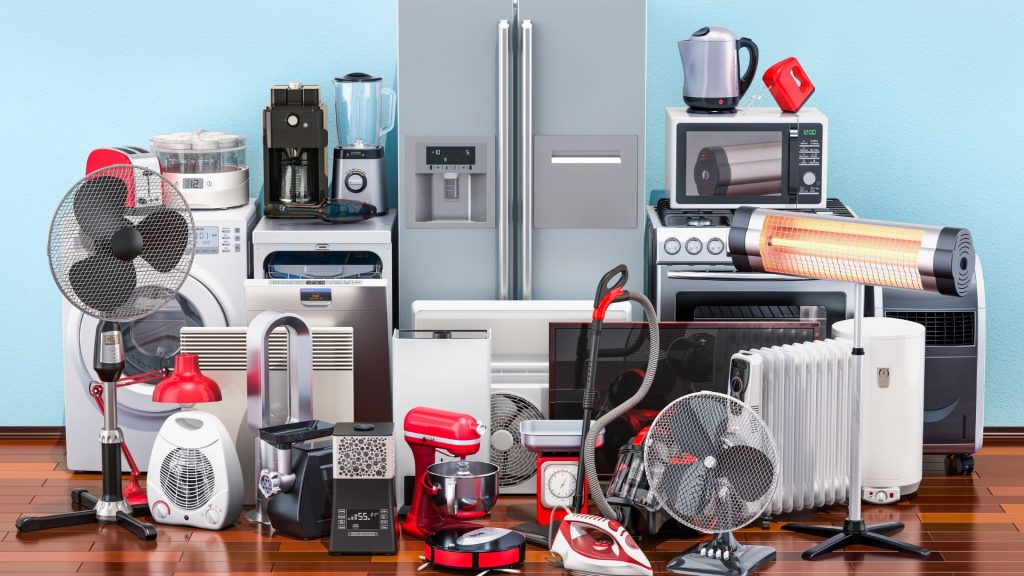
Disconnection and Safety Measures
Proper disconnection is a critical aspect of appliance removal. For electrical appliances, unplugging devices and ensuring cords are intact prevents shocks. For water-connected appliances such as dishwashers or washing machines, turning off water valves and draining residual water is essential. Gas appliances require careful shutoff and sometimes professional assistance to avoid leaks. Each step contributes to a safer removal process and avoids potential hazards, including flooding, electrical fires, or chemical exposure. It is also wise to label disconnected parts or hoses to simplify reinstallation or recycling.
Taking extra precautions when disconnecting appliances enhances safety further. Wearing gloves, using insulated tools, and double-checking connections ensures that no accidental injuries occur. A calm, methodical approach prevents hasty mistakes that could lead to damage or accidents. Following safety measures not only protects you but also ensures that appliances remain in functional condition, allowing for reuse, recycling, or responsible disposal without unnecessary complications.
Moving Appliances Through Tight Spaces
Navigating bulky appliances through narrow hallways, doorways, or staircases requires technique and patience. Leaning items on moving blankets, using dollies, and coordinating movements with a helper reduces the risk of scratches and accidental drops. Measuring spaces beforehand ensures that appliances fit without forcing, which could cause structural damage or personal injury. Breaking down appliances into smaller components where possible can also make movement more manageable. Planning the path and identifying potential obstacles ahead of time makes the removal process more predictable and less stressful.
Careful coordination with anyone assisting is crucial. Communicating clearly when lifting, pivoting, or sliding heavy items avoids unexpected shifts or collisions. Using slow, deliberate motions prevents jerky movements that could harm both the appliance and your home. This careful approach allows appliances to be removed safely while protecting walls, flooring, and fixtures, making the overall process more efficient and stress-free.
Handling Large and Heavy Appliances
Large appliances such as refrigerators, washing machines, and stoves require special attention. Attempting to lift these items alone is dangerous and can cause severe injuries. Using proper lifting techniques and teamwork ensures that weight is distributed evenly and prevents strain. Moving straps and dollies are particularly effective for these tasks, providing leverage and stability. Considering the appliance’s center of gravity can make maneuvering safer and prevent tipping. Heavy items often require multiple helpers and patience, avoiding rushed movements that increase risk.
Planning is key when dealing with substantial appliances. Evaluating door widths, staircases, and floor surfaces before attempting removal ensures a smoother operation. Protective padding on floors and corners further reduces the risk of damage during transportation. With the right strategy, tools, and assistance, even the heaviest appliances can be relocated safely, protecting both the people involved and the integrity of the appliance.
Disposing or Recycling Appliances Responsibly
Once appliances are removed, responsible disposal or recycling is essential. Many appliances contain materials that can be hazardous to the environment if discarded improperly. Researching local recycling programs, donation centers, or junk removal services ensures that appliances are processed safely. Certain items, like refrigerators, require certified technicians to remove refrigerants before disposal. Choosing eco-friendly disposal methods prevents contamination and supports sustainability initiatives, giving old appliances a second life when possible.
Recycling and donation also contribute to a more organized and cleaner home. By separating items based on their disposal requirements, you minimize waste and avoid legal or environmental complications. Proper disposal methods demonstrate social responsibility and environmental awareness. Ultimately, responsibly managing appliance removal benefits both your household and the broader community, promoting safer and cleaner neighborhoods.
Preventing Damage During Transportation
Protecting appliances during transport prevents costly repairs or replacements. Wrapping edges in moving blankets, securing doors with tape, and ensuring appliances remain upright when necessary safeguards their condition. Strapping appliances to a dolly or inside a vehicle prevents shifting and potential damage during transit. Checking that pathways are clear and that transportation surfaces are smooth helps reduce stress on the appliance and anyone handling it. Careful attention to these details enhances safety for both movers and appliances.
Transportation is often the most vulnerable stage for appliances. Taking precautions such as using padding, slowing down while navigating turns, and avoiding sudden stops keeps appliances intact. Every measure taken to protect items during movement contributes to a successful removal, ensuring that appliances arrive at their destination or disposal site safely and without incident.
Planning for Appliance Replacement
Considering replacement before removing an old appliance helps streamline the process. Knowing where the new appliance will be positioned allows you to remove the old item efficiently. Measuring space and access points ensures that the new appliance fits without modifications or last-minute adjustments. Planning also helps coordinate timing, reducing the period that essential appliances remain out of service. This foresight creates a smoother transition and minimizes inconvenience in your daily routines.
Replacing appliances strategically also allows for environmentally conscious decisions. Evaluating energy efficiency, proper sizing, and functionality ensures that your next appliance meets household needs without unnecessary waste. Proper planning contributes to a safer, more organized, and effective home update, combining practicality with responsibility for both the household and the environment.
Knowing When to Hire Professionals
Some appliances are best handled by trained professionals. Extremely heavy items, gas-connected appliances, or units containing hazardous chemicals require expertise. Hiring experienced movers or junk removal services reduces risk and provides peace of mind. Professionals have specialized tools and techniques to manage the job safely, ensuring minimal damage to your home. Knowing your limits and requesting help is a smart approach that prioritizes safety above convenience.
Professional services also often offer pickup and recycling options, making the process seamless and environmentally responsible. Their knowledge prevents costly mistakes and ensures that appliances are managed efficiently. Investing in professional assistance can save time, protect your health, and guarantee that your home and appliances remain in optimal condition throughout the removal process.
Conclusion
Removing appliances safely from your home requires careful planning, the right tools, and awareness of potential hazards. By preparing appliances, using proper equipment, and enlisting help when needed, homeowners can reduce risks and protect both themselves and their property. Every step, from disconnection to transportation and disposal, plays a critical role in ensuring a smooth and safe removal experience. Following these guidelines enhances efficiency, minimizes damage, and allows for environmentally responsible recycling or disposal.
For those who prefer professional assistance, Done Right Haul Away in Maryville offers comprehensive junk removal services. Their experienced team handles appliance removal with expertise, providing safe, reliable, and environmentally conscious solutions. Homeowners can rely on their services to manage everything from heavy appliances to sensitive items, ensuring a seamless process. Contact Done Right Haul Away at 865-236-0101 to schedule an appointment and experience stress-free appliance removal that prioritizes safety, efficiency, and responsible disposal practices.