
Preparing Your Office for Equipment Removal
Before attempting to remove any old office equipment, it is important to plan carefully to avoid disruption and potential hazards. Start by identifying all items that are no longer needed, including computers, printers, copiers, filing cabinets, and other heavy office furniture. Sorting equipment by type and size can make the process smoother, and labeling items that require special handling ensures nothing is overlooked. It is also essential to clear pathways to prevent accidents during transport. Removing clutter and obstacles from hallways, staircases, and doorways not only facilitates movement but also protects employees from potential injuries. When dealing with electronic equipment, remember that certain devices may contain hazardous materials that require careful handling, so familiarizing yourself with disposal regulations is highly recommended.
Another crucial step is assessing the weight and dimensions of the items to determine if additional tools or personnel will be needed. For instance, large filing cabinets or multi-function copiers might require dollies, hand trucks, or multiple team members to move safely. Taking photos of wiring or disassembling complex machines before removal can prevent confusion when reassembling or storing similar equipment. Planning ahead also involves setting aside a temporary storage area for equipment awaiting disposal or donation. By preparing your workspace and organizing the items efficiently, the removal process becomes more controlled and less stressful for everyone involved, reducing the likelihood of accidents and equipment damage.
Sorting Equipment for Donation or Recycling
Not all unwanted office equipment needs to go straight to the landfill. Many items can be refurbished, donated, or recycled responsibly, and sorting them properly is a critical first step. Electronic devices often contain metals and other materials that can be harmful if disposed of improperly, so separating these from general office furniture is vital. Start by creating designated areas for electronics, furniture, and other miscellaneous items. Consider local donation centers, schools, or nonprofit organizations that can repurpose functional equipment. Recycling centers for electronics or metal components can provide environmentally responsible disposal options, reducing waste and contributing to sustainability efforts. Proper labeling and categorization of items not only streamlines removal but also ensures compliance with local regulations and company policies.
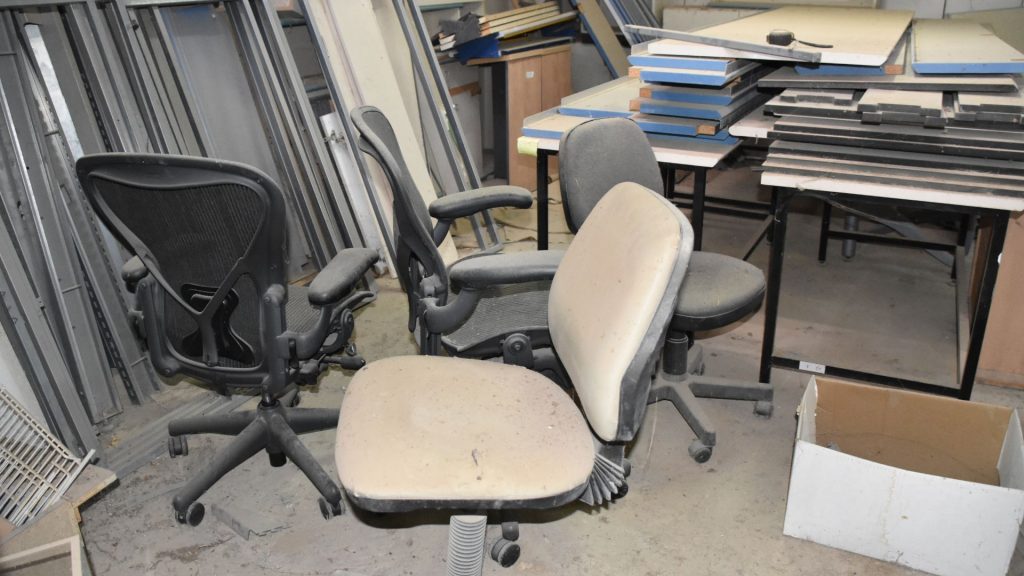
Once equipment is sorted, verify which items need special handling. Old monitors, batteries, and printers may require certified recycling services due to hazardous substances. Furniture that is structurally sound can often be donated to community programs or charitable organizations, giving it a second life instead of filling up a landfill. Sorting also allows you to document items for company inventory, which can be useful for tax deductions if donated or for accounting purposes when disposed of. By taking time to properly sort and allocate equipment, you ensure a safer, cleaner, and more efficient removal process, while also supporting eco-friendly initiatives and contributing positively to the community.
Using Proper Lifting Techniques
Heavy office equipment can be a significant source of injury if not moved correctly, making proper lifting techniques essential. Always assess the weight and size of each item before attempting to lift it, and use mechanical aids like dollies or carts when necessary. Employees should bend at the knees rather than the waist and keep the load close to the body to reduce strain on the back. If the item is too heavy to lift safely on your own, enlist the help of colleagues or professional movers to prevent accidents. Wearing proper protective gear, such as gloves and supportive footwear, can further reduce the risk of injury while handling bulky office items. Taking small steps, maintaining good posture, and moving slowly can make lifting safer and more manageable.
In addition to individual lifting techniques, team coordination is crucial when moving particularly heavy or awkwardly shaped items. Communicating clearly about movement, direction, and potential obstacles prevents mishaps and ensures the safety of everyone involved. For complex equipment like servers or copiers, removing detachable parts before lifting can make items easier to handle and minimize risk. Ensuring that floor surfaces are dry and free of debris also prevents slips or trips. By combining proper lifting methods with careful planning and teamwork, you create a safer work environment while efficiently removing unwanted office equipment.
Protecting Sensitive Data on Electronic Devices
When removing old computers, laptops, or printers, safeguarding sensitive data must be a top priority. Simply deleting files is not sufficient, as data can often be recovered from storage devices. Using certified data destruction methods, such as wiping drives with software tools or physically destroying hard drives, ensures confidential information is permanently unrecoverable. For businesses, maintaining compliance with privacy laws and internal policies is essential to protect both the company and its clients. Establishing a protocol for handling electronic devices can streamline the removal process and reduce the risk of data breaches.
It is also helpful to maintain a log of all equipment being removed, noting serial numbers and the steps taken to secure data. This provides accountability and verification in case any questions arise about sensitive information. In some cases, third-party data destruction services may be preferable, particularly when handling large volumes of electronic waste or highly confidential information. Protecting digital assets during office equipment removal is as important as physical safety, and combining secure data practices with careful disposal methods ensures both company property and information remain secure.
Hiring Professional Removal Services
Engaging professional removal services can simplify the process and provide peace of mind. Experts in office equipment disposal are trained to handle heavy items safely, navigate complex office layouts, and comply with local disposal regulations. Hiring professionals can save time, reduce stress, and minimize risk of injury or property damage. They often have access to specialized equipment, such as lifting tools, trucks, and recycling facilities, ensuring a smooth and environmentally responsible removal process. Choosing a reputable service can also provide documentation for regulatory compliance, which is particularly useful for businesses in industries with strict environmental or data handling requirements.
Professional services also help coordinate logistics that might otherwise be overwhelming for in-house teams. They can schedule pickup times to minimize disruption to daily operations and provide guidance on what equipment can be recycled or donated. Their experience allows them to efficiently manage both large-scale office cleanouts and small-scale removals, making them a valuable resource for maintaining a safe and organized workspace. By leveraging the expertise of professionals, companies can focus on productivity while ensuring unwanted office equipment is removed responsibly and effectively.
Disassembling Large Furniture and Equipment
Some office items, such as desks, cubicles, and shelving units, may require partial disassembly for safe removal. Breaking down large furniture into smaller components reduces strain during transport and prevents damage to walls, floors, or the equipment itself. Carefully removing screws, bolts, and other fasteners and keeping them organized can facilitate reassembly if needed, and labeling parts helps maintain clarity. When disassembling, it is important to work in a well-lit area and avoid rushing, as haste can lead to accidents. Proper tools, such as screwdrivers, wrenches, or Allen keys, make the process faster and safer.
Disassembling also allows for easier sorting of items by type, making donation or recycling more straightforward. For particularly heavy or cumbersome pieces, using lifting aids or enlisting additional personnel is recommended. Taking photos during the disassembly process can help guide reassembly and reduce confusion. By approaching large furniture and equipment with care and methodical planning, office teams can maintain safety, protect property, and streamline the overall removal process.
Scheduling Equipment Pickup
Timing is an often-overlooked aspect of office equipment removal. Scheduling pickups or removal during off-peak hours minimizes disruption to office operations and provides a calmer environment for employees. It also allows for more space in hallways, elevators, or loading docks, facilitating easier movement of large items. Coordinating with removal teams ahead of time ensures that sufficient resources are allocated, reducing the need for last-minute adjustments. Proper scheduling can make the process more predictable, efficient, and safer for everyone involved.
Additionally, scheduling allows for more organized preparation, including clearing space and labeling items in advance. When pickups are planned strategically, offices can avoid conflicts with ongoing projects or high-traffic times, creating a smoother workflow. By treating removal as an integral part of office operations rather than an afterthought, businesses can maintain productivity while effectively managing unwanted equipment. Clear communication with removal teams and internal staff ensures that equipment is handled promptly and safely, resulting in a more organized transition.
Using Eco-Friendly Disposal Methods
Environmentally conscious disposal is an important consideration when removing office equipment. Many items can be recycled, repurposed, or donated to extend their useful life. Electronics contain metals, plastics, and other materials that require proper recycling to avoid pollution. Furniture made from wood, metal, or composite materials can often be repurposed or donated. Adopting eco-friendly disposal practices reduces landfill waste and contributes to sustainability initiatives, which can enhance the company’s reputation. Researching local recycling centers or donation programs ensures that items are handled responsibly.
Even for items that cannot be reused, responsible disposal mitigates environmental harm. Partnering with certified e-waste recyclers or following municipal guidelines helps ensure that hazardous materials are processed safely. Encouraging staff to participate in eco-conscious practices, such as separating materials or suggesting donation options, can further enhance sustainability efforts. By prioritizing environmentally responsible disposal, businesses not only comply with regulations but also actively contribute to reducing their ecological footprint.
Protecting Workplace Safety During Removal
Maintaining a safe workspace is critical throughout the equipment removal process. Setting clear pathways, using appropriate lifting techniques, and ensuring that tools and moving equipment are in good condition all contribute to reducing the risk of accidents. Posting signage or notifying employees about removal activities helps maintain awareness and minimizes unexpected hazards. Safety protocols should cover both physical and digital considerations, such as protecting sensitive electronics from accidental damage. Supervisors or safety officers may oversee the process to ensure that best practices are followed.
Regularly reviewing and updating safety procedures reinforces a culture of precaution. Emergency equipment, such as first aid kits or fire extinguishers, should be accessible during removal. Training employees on proper handling techniques and encouraging communication about potential risks ensures that everyone is prepared. By consistently prioritizing safety, companies create a more secure environment for all staff while efficiently managing the removal of unwanted office equipment.
Final Checks and Office Cleanup
After all equipment has been removed, a thorough inspection and cleanup are necessary. Check that all items have been safely transported and that no hazards remain, such as loose wires, screws, or packing materials. Sweep or vacuum floors, wipe down surfaces, and ensure that storage areas are tidy. Conducting a final check helps prevent injuries, maintains office aesthetics, and prepares the space for future use. Documenting the removal process, including what was disposed of or donated, supports transparency and accountability.
Final cleanup also involves reviewing inventory lists to confirm that sensitive equipment has been properly handled and removed. This process ensures that nothing is left behind that could pose a safety risk or contain confidential information. By taking the time for careful final checks, offices reinforce responsible removal practices and maintain a productive and organized environment for employees. The combination of thorough cleanup and documentation completes the office equipment removal process efficiently and safely.
Conclusion
Removing unwanted office equipment requires careful planning, safe handling, and responsible disposal. From assessing items for donation or recycling to using proper lifting techniques and securing sensitive data, each step contributes to a safer and more organized workspace. Hiring professional services can further streamline the process, ensuring compliance with regulations while reducing stress and minimizing risk. Scheduling pickups, disassembling large furniture, and adhering to eco-friendly practices all enhance the efficiency and safety of the operation. Maintaining a clean and hazard-free office throughout the process protects employees and supports ongoing productivity.
Done Right Haul Away in Maryville provides professional Junk Removal services designed to make office equipment disposal safe, efficient, and environmentally responsible. Their experienced team handles everything from heavy furniture to electronic devices, ensuring that each item is managed correctly and securely. Businesses can rely on their expertise to navigate complex removal challenges, minimize workplace disruption, and adhere to proper disposal guidelines. For safe and hassle-free office equipment removal, contact Done Right Haul Away at 865-236-0101 to schedule a consultation and receive expert assistance tailored to your needs.