
Scrap metal removal plays a critical role in keeping our landfills from overflowing with materials that can be reused or recycled. Every piece of metal that is extracted from homes, construction sites, or industrial facilities prevents it from being discarded as waste, which helps maintain cleaner, more sustainable landfills. By diverting metals like aluminum, steel, and copper from landfills, communities can drastically reduce the burden on local waste management systems. The metals, once removed, can enter a recycling stream, transforming what would have been environmental clutter into valuable raw materials for new products. This process not only prevents environmental degradation but also saves energy that would otherwise be consumed in producing metals from raw ore.
Furthermore, the removal of scrap metal from residential or commercial spaces promotes a culture of responsible waste management. When individuals and businesses actively engage in scrap metal collection, they participate directly in minimizing the ecological footprint of their communities. Beyond merely clearing space, this process fosters awareness about the environmental consequences of discarding materials carelessly. By recycling metals, fewer natural resources are extracted, preserving habitats and preventing soil contamination. The benefits ripple beyond the immediate site, contributing to a broader strategy of sustainable development and environmental preservation.
Conserving Natural Resources With Recycled Metals
Scrap metal removal allows the metals to be recycled, significantly conserving finite natural resources. Mining for new metals is an energy-intensive process that depletes earth’s reserves and disrupts ecosystems. By repurposing existing metals through scrap collection, we decrease the need for mining operations, thus preserving natural landscapes and reducing environmental stress. Each ton of recycled steel or aluminum saves thousands of pounds of raw materials, along with vast quantities of water and energy. The act of removing scrap metal from households or industrial facilities initiates a cycle where materials are continuously reused, effectively stretching the life of available resources and reducing dependency on fresh extraction.
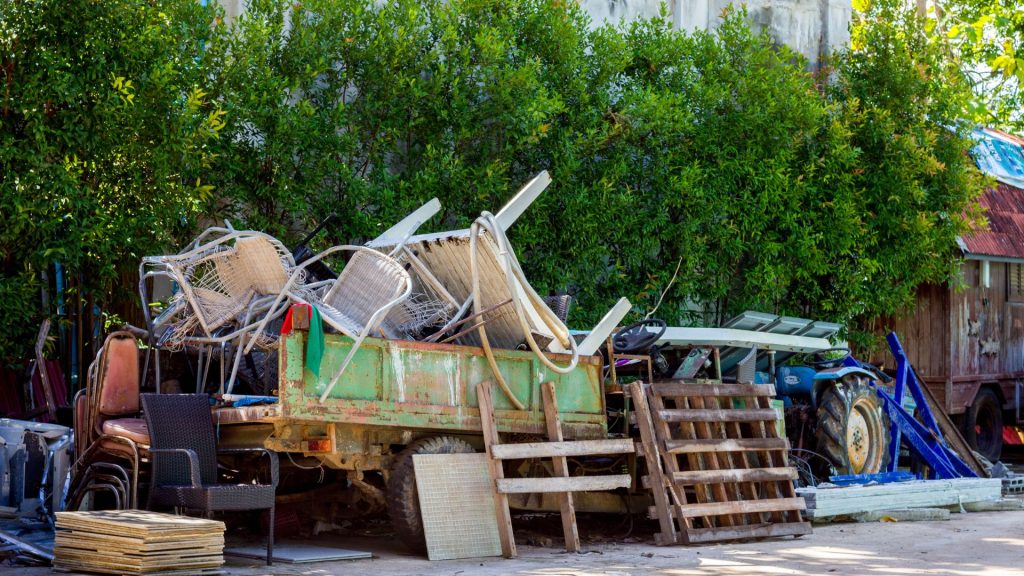
This process of resource conservation also extends to energy efficiency. Recycling metals requires considerably less energy compared to manufacturing from virgin ore, cutting down greenhouse gas emissions in the process. The more scrap metal is recovered and reintegrated into production, the smaller the carbon footprint associated with metal manufacturing becomes. Communities that embrace systematic scrap metal removal contribute not just to cleaner spaces, but also to a measurable reduction in industrial pollution. In this way, removing scrap metal becomes a tangible step toward responsible environmental stewardship and long-term ecological balance.
Minimizing Air and Water Pollution Through Metal Recycling
One of the overlooked advantages of scrap metal removal is its impact on reducing air and water pollution. Mining and processing raw metals release toxic substances and particulate matter into the environment. By removing and recycling scrap metals, the demand for raw material extraction diminishes, which directly lowers the release of pollutants into air and waterways. Metals that remain in circulation through recycling avoid the harmful chemical runoff and sediment displacement typically associated with mining activities. This contributes to cleaner rivers, reduced soil contamination, and better overall air quality in surrounding communities, reflecting a direct connection between scrap metal management and public health.
The benefits extend beyond environmental protection into practical improvements in urban and rural spaces. Metal debris left uncollected can leach hazardous materials into the ground, affecting water tables and posing risks to plant and animal life. By systematically removing and recycling scrap metals, we prevent these contaminants from entering natural ecosystems. Over time, consistent scrap metal collection contributes to the overall quality of air and water, reinforcing the notion that human activity and environmental responsibility can coexist. The practice cultivates healthier surroundings for future generations while demonstrating the broader value of resourcefulness and recycling.
Supporting Energy Efficiency in Metal Production
Scrap metal removal contributes directly to energy efficiency in industrial processes. Recycled metals require a fraction of the energy needed for processing virgin ore. Aluminum, for example, saves up to 95 percent of the energy when produced from scrap compared to raw mining. By collecting scrap metals, communities and businesses indirectly fuel a more sustainable industrial cycle where energy consumption is significantly reduced. This energy saving translates to decreased carbon emissions, lower operational costs for manufacturing, and an overall greener footprint for industries relying on metal production. The cycle begins simply with effective scrap metal collection, illustrating the far-reaching effects of a local environmental effort.
Energy conservation also intersects with economic and social benefits. The energy saved through recycling metals reduces demand on power plants, which can lessen air pollution and contribute to a reduction in utility costs. For communities, this means cleaner surroundings, lower energy expenses, and the satisfaction of participating in environmentally responsible practices. Every item removed from a property and directed toward recycling initiates a chain of conservation benefits. The combined result is an interconnected system where scrap metal removal supports energy efficiency, economic savings, and environmental preservation in meaningful and measurable ways.
Promoting Circular Economy Practices
Scrap metal removal embodies the principles of a circular economy, where materials are continually reused and repurposed rather than discarded. By extracting metals from discarded appliances, construction materials, and industrial byproducts, businesses and households participate in a sustainable economic model. Metals collected can be recycled into new products, maintaining value and functionality over time. This cyclical approach reduces the need for raw material extraction, lowers waste accumulation, and encourages innovative ways of using resources responsibly. Participating in scrap metal removal encourages a mindset that prioritizes longevity, reuse, and minimal waste.
The circular economy benefits communities by fostering sustainability-oriented business practices. When scrap metals are consistently collected, processed, and reintegrated into manufacturing, industries gain access to cost-effective materials while simultaneously reducing environmental impact. Residents and business owners contribute to an ongoing cycle that emphasizes efficiency, resourcefulness, and ecological balance. This approach is a practical, hands-on strategy for addressing both environmental and economic challenges, demonstrating that responsible disposal habits can resonate across local, national, and global scales. Scrap metal removal is a gateway to nurturing this long-term, sustainable vision.
Reducing Carbon Emissions Through Recycling Initiatives
Removing scrap metal significantly lowers the carbon emissions associated with metal production. Mining, smelting, and transporting raw materials are highly carbon-intensive processes. By channeling scrap metal into recycling streams, industries emit fewer greenhouse gases, which mitigates the broader effects of climate change. Every ton of metal recycled reduces the carbon footprint of manufacturing new products. This environmental advantage underscores the importance of proactive scrap metal collection at both household and commercial levels, showing that local action can have a meaningful impact on global climate outcomes.
Reducing carbon emissions also complements energy efficiency and waste reduction initiatives. A community that actively removes scrap metal supports not only cleaner industrial processes but also less strain on natural resources and energy grids. The synergy of energy savings, resource conservation, and emission reduction establishes a comprehensive environmental benefit. Scrap metal removal becomes a practical, scalable solution for promoting sustainable practices that align with contemporary efforts to combat climate change and protect vulnerable ecosystems for future generations.
Protecting Wildlife and Natural Habitats
When scrap metals accumulate in natural environments, they can pose hazards to wildlife and degrade habitats. Sharp edges, rusting materials, and chemical residues threaten animals and plants alike. By removing scrap metal from properties and construction sites, communities prevent these materials from entering natural habitats. Recycled metals avoid the need for additional mining, which often destroys forests, riverbanks, and other critical ecosystems. Removing and recycling scrap metals therefore safeguards biodiversity and promotes healthier, more resilient natural landscapes.
The protective impact on wildlife extends into broader ecological systems. Metals left to degrade outdoors can leach toxins that disrupt soil chemistry and plant growth. Collecting these metals ensures that hazardous substances are kept out of vulnerable ecosystems. In turn, species that rely on these habitats for survival are less likely to encounter harmful conditions. Scrap metal removal thus serves as a proactive environmental measure that supports the stability and richness of natural habitats while simultaneously fostering community involvement in conservation efforts.
Encouraging Responsible Community Practices
Communities that embrace scrap metal removal cultivate habits of responsibility and environmental consciousness. Individuals and businesses that engage in metal recycling not only declutter their spaces but also contribute to a cleaner, safer, and more sustainable neighborhood. This sense of collective responsibility strengthens social cohesion, as residents recognize the tangible benefits of working together for environmental preservation. By fostering awareness of the environmental advantages of metal removal, communities can inspire long-term behavioral change that extends beyond individual households.
Responsible community practices also create economic incentives. Scrap metal collected for recycling can generate revenue, which can be reinvested into local sustainability initiatives. This reinforces the message that environmentally responsible actions can yield tangible benefits. By integrating scrap metal removal into everyday habits, communities demonstrate that environmental stewardship and economic pragmatism are not mutually exclusive. The process encourages collaboration, education, and commitment to maintaining a balanced relationship between human activity and the natural world.
Mitigating Health Risks From Metal Waste
Accumulated scrap metal can pose serious health risks if left unattended. Rust, sharp edges, and chemical residues from metals can cause injuries or exposure to harmful substances. By actively removing scrap metals, property owners reduce these hazards and promote safer environments for families, workers, and passersby. Recycling metals ensures that hazardous materials are properly processed, minimizing the chance of exposure and supporting community health. Beyond aesthetics and functionality, scrap metal removal is fundamentally a measure of public safety that prevents potential accidents and long-term health consequences.
Health benefits extend into the broader environmental context as well. Reduced metal waste in landfills and natural surroundings limits contamination of water and soil, which indirectly affects food and water safety. Communities practicing proactive scrap metal removal contribute to cleaner surroundings and healthier ecosystems. The act of removing scrap metals, therefore, has far-reaching consequences, bridging environmental responsibility with human safety and well-being. It is a tangible example of how small, deliberate actions can generate significant benefits for both people and the planet.
Strengthening Sustainable Industrial Practices
The collection and recycling of scrap metal supports sustainable industrial practices by ensuring that raw materials are sourced responsibly. Industries can rely on recycled metals, which are often more cost-effective and environmentally friendly, rather than extracting new ore. This reduces the ecological damage associated with traditional metal production while encouraging businesses to adopt green initiatives. The steady supply of recycled materials fosters innovation in manufacturing processes, highlighting the connection between local scrap metal removal and global industrial sustainability.
Sustainable industrial practices benefit not only the environment but also the economy. Recycled metals lower production costs, decrease energy consumption, and reduce reliance on mining operations, creating a more balanced and resilient industrial ecosystem. Communities that actively engage in scrap metal removal participate in this process, ensuring a steady flow of resources into the circular economy. By bridging environmental care with industrial responsibility, scrap metal removal emerges as a key strategy for fostering sustainable development and long-term ecological stewardship.
Conclusion
Scrap metal removal offers an array of environmental benefits that extend far beyond decluttering spaces. By diverting metals from landfills, conserving natural resources, reducing energy consumption, and lowering carbon emissions, communities play a critical role in promoting sustainability. These efforts protect wildlife, preserve habitats, and minimize pollution, creating a healthier environment for present and future generations. Individuals and businesses who participate in scrap metal removal contribute to a circular economy that values reuse and responsible resource management, ensuring that metals remain in productive use rather than being wasted. The practice also supports safer, cleaner communities by mitigating health hazards associated with accumulated metal waste. Overall, scrap metal removal exemplifies the power of collective action in shaping a greener, more resilient planet, demonstrating that even small contributions can lead to substantial ecological gains and stronger community engagement.
For residents and businesses seeking reliable services, Done Right Haul Away in Maryville provides professional junk removal tailored to the specific needs of your property. With experienced staff and efficient processes, they ensure metals and other materials are removed responsibly, helping you maintain a clean space while supporting environmental sustainability. Contact Done Right Haul Away at 865-236-0101 to arrange services, and take a practical step toward reducing waste, conserving resources, and embracing eco-friendly practices that benefit both your community and the planet.