
Organizing Your Kitchen Space for Smooth Junk Removal
A cluttered kitchen can slow down operations and create unnecessary hazards. The first step toward efficient junk removal in restaurants and cafes is identifying items that are outdated, broken, or simply no longer needed. Begin by inspecting storage areas, pantry shelves, and prep stations to separate reusable supplies from waste. This process not only improves safety but also frees up valuable space, allowing staff to move more freely and focus on their tasks without tripping over unwanted items or navigating around poorly organized supplies.
Once the unnecessary items are identified, designate specific areas for temporary storage before removal. Sorting items into categories such as recyclable materials, reusable goods, and trash can streamline the removal process. Engaging the team in this effort encourages a collective sense of responsibility and ensures the disposal process is swift and orderly. Regularly revisiting this practice helps prevent clutter from building up, creating a consistently safer and more productive kitchen environment while minimizing stress for staff members during peak hours.
Scheduling Regular Junk Removal to Maintain Efficiency
Timing is crucial when it comes to keeping restaurants and cafes free from excess clutter. Scheduling regular junk removal ensures that waste and outdated equipment do not accumulate, which can compromise the flow of daily operations. Whether weekly or monthly, having a set routine for clearing out junk allows staff to anticipate and prepare for these sessions, avoiding last-minute rushes that disrupt service. Regularity also allows management to monitor storage areas consistently, catching small issues before they escalate into large problems.
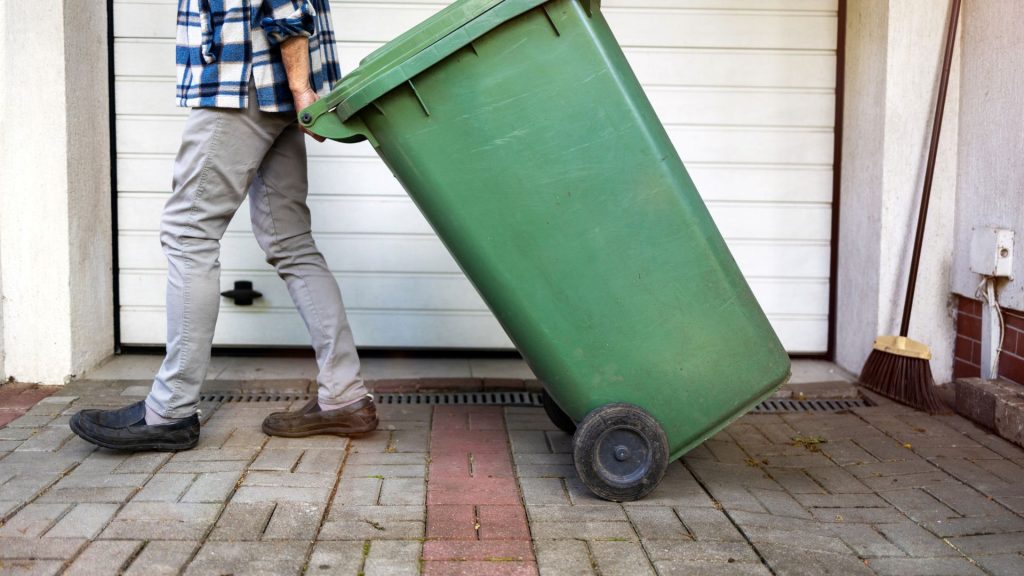
Consistency in junk removal extends beyond the kitchen. Dining areas, back offices, and storage rooms all benefit from scheduled attention. Establishing a clear plan with assigned responsibilities ensures that every corner of the establishment is maintained. Proper scheduling also helps restaurants adhere to health and safety regulations, as clutter-free spaces reduce contamination risks and facilitate easy cleaning. Over time, this practice not only improves operational efficiency but also enhances the overall ambiance, making the environment more inviting for both employees and customers.
Prioritizing Hazardous Waste Disposal Safely
Restaurants and cafes often deal with materials that can pose safety hazards if not handled correctly. From cleaning chemicals to broken glass and expired food, these items require careful attention during junk removal. Establishing a protocol for safely segregating hazardous materials protects both staff and the environment. Clearly labeled containers and protective gear are essential to prevent accidents and ensure compliance with safety standards.
In addition to safety, prioritizing proper disposal reduces the risk of contamination in kitchens and dining areas. For example, disposing of expired food promptly prevents pests and unpleasant odors, while careful handling of broken equipment reduces the likelihood of injury. By treating hazardous waste as a priority in the junk removal process, restaurants not only maintain a safer workspace but also demonstrate a commitment to environmental responsibility and professionalism, which can enhance their reputation with both staff and patrons.
Utilizing Professional Junk Removal Services for Convenience
Outsourcing junk removal to professional services can save time and reduce stress for restaurant owners. Professionals bring the experience and equipment necessary to handle large volumes of waste efficiently. This includes hauling away bulky items like old kitchen appliances, worn-out furniture, or surplus storage racks, which might otherwise take hours of manual labor to manage internally.
Relying on experts also ensures that materials are disposed of responsibly. Many professional junk removal companies are equipped to recycle and repurpose items, reducing environmental impact. The convenience of hiring a service allows staff to focus on their core responsibilities, maintaining smooth daily operations while the professionals handle the heavy lifting. For restaurants aiming to maintain a pristine and efficient workspace, professional junk removal represents an investment in both productivity and sustainability.
Streamlining Beverage and Food Storage Areas
Storage areas for beverages and dry goods are often overlooked during routine cleanups, yet they tend to accumulate boxes, bottles, and containers that are no longer usable. Regularly reviewing these areas for expired products, damaged packaging, or excess inventory is essential to maintain an organized environment. Doing so prevents waste from building up and keeps staff from sifting through unnecessary clutter when they need access to ingredients quickly.
An organized storage area also improves inventory management and reduces the risk of over-purchasing supplies. Implementing clear labeling systems, rotating stock efficiently, and setting up designated disposal zones for expired or damaged items helps streamline junk removal efforts. These small adjustments contribute significantly to operational efficiency, making food preparation faster and safer while simultaneously reducing the likelihood of errors that could impact customer satisfaction.
Handling Broken Equipment Promptly
Broken equipment, whether a malfunctioning blender, cracked plates, or damaged chairs, can create safety hazards and obstruct workflow. Prompt identification and removal of these items is a critical step in maintaining a functional and safe restaurant or café. Leaving damaged equipment unattended can lead to accidents, slowing down service and increasing the risk of injury to staff and customers alike.
When broken items are addressed immediately, they can either be repaired or disposed of appropriately. For appliances, this might mean scheduling repair or replacement, while for furniture and utensils, it involves arranging for disposal or recycling. Efficient handling of broken equipment ensures that operational areas remain safe, staff can move freely, and the overall environment retains a professional appearance that enhances both employee morale and customer satisfaction.
Reducing Clutter in High-Traffic Zones
High-traffic areas such as entryways, dining floors, and prep counters can quickly become cluttered if junk removal is not prioritized. These zones require special attention as obstacles in these spaces directly affect staff efficiency and customer experience. Removing unnecessary items and keeping these areas tidy allows for smooth movement, faster service, and a safer environment for everyone in the establishment.
Maintaining high-traffic zones involves daily inspections and immediate removal of anything out of place. For instance, stacking excess boxes in a storage closet rather than leaving them near the entrance prevents congestion, while clearing prep surfaces ensures staff can work efficiently during peak periods. By focusing junk removal efforts on these critical areas, restaurants can enhance both operational performance and the overall aesthetic, making a noticeable difference in functionality and atmosphere.
Implementing Waste Segregation Practices
Separating waste streams in restaurants and cafes is essential to streamline junk removal. This includes distinguishing between organic waste, recyclables, and general trash. Proper segregation makes disposal more efficient and reduces environmental impact, while also preventing contamination between different types of materials.
Implementing waste segregation practices encourages a more systematic approach to cleanup. Staff members can quickly identify where each type of waste should go, minimizing the time spent handling materials and reducing errors. Over time, these practices also support sustainability initiatives, allowing restaurants to contribute positively to the community by ensuring responsible disposal of resources. Well-executed waste segregation fosters a cleaner, safer, and more organized environment that benefits everyone in the establishment.
Training Staff for Efficient Junk Management
Empowering staff to participate in junk removal creates a culture of accountability and efficiency. Proper training ensures that everyone understands what can be discarded, recycled, or stored, and how to handle these items safely. When employees are confident in these procedures, the cleanup process becomes faster, less disruptive, and more consistent.
Regular staff training also encourages proactive behavior, where team members spot clutter or potential hazards before they escalate. This reduces the burden on management and allows for smoother day-to-day operations. Staff participation in junk removal fosters teamwork, improves safety, and instills pride in maintaining a clean, well-organized workplace. By making junk management a shared responsibility, restaurants and cafes can sustain a high standard of operational excellence.
Leveraging Seasonal Cleanouts to Maintain Order
Seasonal cleanouts provide an opportunity to tackle accumulated junk that routine maintenance may overlook. Conducting these thorough inspections at least a few times a year ensures that forgotten items, old supplies, and unused equipment are addressed. These sessions are ideal for reorganizing storage areas, clearing out expired stock, and preparing the restaurant for busier periods.
During seasonal cleanouts, staff can take stock of what equipment is still useful, what can be repaired, and what needs disposal. This comprehensive approach prevents the gradual buildup of clutter, reducing the risk of inefficiency and safety hazards. Seasonal cleanouts also allow management to make strategic decisions regarding inventory, purchases, and space utilization, ultimately improving workflow, operational efficiency, and the overall dining experience for customers.
Conclusion
Efficient junk removal in restaurants and cafes is essential for creating a safe, organized, and productive environment. From regular inspections of storage areas to prioritizing hazardous waste and broken equipment, implementing structured cleanup practices ensures smooth operations and enhances the customer experience. Staff training and seasonal cleanouts complement professional services, allowing establishments to maintain order without disrupting daily operations. Focusing on clutter-free high-traffic zones and organized storage also reduces risks and supports better inventory management, ensuring the kitchen runs efficiently while maintaining a welcoming atmosphere.
For restaurant and café owners looking to simplify this process, Done Right Haul Away in Maryville provides professional junk removal services designed to handle everything from outdated appliances to bulk waste. Their team ensures that all materials are disposed of responsibly and efficiently, giving staff more time to focus on operations. By contacting them at 865-236-0101, establishments can maintain a clean, safe, and well-organized environment, reducing stress and improving overall efficiency while keeping up with the demands of a bustling hospitality setting.