
A cluttered warehouse can create chaos, slow down operations, and even present safety hazards that affect both employees and inventory. To streamline your space effectively, begin with a thorough analysis of your warehouse layout, focusing on identifying areas where items are stored inefficiently or have accumulated unnecessarily over time. Pathways, storage zones, and high-traffic areas should be prioritized to determine where junk removal will yield the greatest improvement. Reorganizing shelving units, pallets, and storage racks not only frees up physical space but also improves the visibility of inventory, ensuring that items are easier to access when needed. A logical storage system minimizes the time employees spend searching for materials, reducing frustration and enhancing overall productivity.
Implementing a systematic approach to junk removal ensures that every item removed contributes meaningfully to warehouse efficiency. Segregating old, broken, or unused equipment from valuable stock creates a safer, cleaner environment and reduces hazards. Scheduling regular cleanups prevents the accumulation of debris, which can escalate into costly disruptions if ignored. By continuously reevaluating the warehouse layout and adjusting it to meet operational needs, managers foster a dynamic system that is both adaptable and safe, promoting productivity while maintaining a clutter-free workspace.
Identifying Items That Require Disposal
Not every item in your warehouse warrants storage, and discerning what needs to go is critical for maintaining an organized environment. Carefully evaluating inventory, equipment, and office materials allows managers to determine which items are outdated, damaged, or simply no longer useful. These unwanted materials take up valuable space and impede efficient operations. Creating a detailed checklist to assess the condition and utility of each item provides a structured approach to decision-making, ensuring that nothing is discarded prematurely while unnecessary items are removed promptly. Categorizing items into recyclable, reusable, or disposable groups ensures that junk removal is systematic, environmentally responsible, and aligned with company standards.
Beyond just physical inventory, warehouses often accumulate outdated documentation, excessive packaging, pallets, and miscellaneous clutter that can block pathways and create safety hazards. Removing these items improves navigation, reduces fire risks, and enhances operational efficiency. Establishing a routine for evaluating and removing items fosters a habit of consistent decluttering, making it easier to maintain long-term organization. When combined with frequent inventory audits, this approach ensures that the warehouse operates smoothly, space is maximized, and long-term productivity is supported through deliberate and thoughtful management.
Streamlining Inventory Management
Efficient inventory management is inseparable from effective warehouse organization. Junk accumulation can severely disrupt tracking, resulting in misplaced items, inventory errors, and wasted labor. Streamlining inventory begins with frequent reviews of stock levels, identifying outdated or unused items, and implementing clearly defined shelving or bin systems to separate categories logically. Consistent labeling combined with digital tracking tools ensures visibility across the warehouse, making it easier for staff to locate and retrieve materials quickly while reducing the likelihood of clutter reemerging. Structured inventory management becomes a proactive mechanism to prevent operational inefficiencies before they arise.
In addition to physical organization, creating a schedule for ongoing junk removal strengthens long-term productivity. Designating specific days for clearing out obsolete stock ensures that clutter does not accumulate unnoticed. Encouraging employees to understand the importance of a tidy warehouse instills responsibility and builds a culture of cleanliness. By integrating inventory monitoring with strategic removal of unnecessary materials, warehouses maintain an environment that is functional, safe, and visually manageable. Over time, this approach reduces operational bottlenecks and helps the warehouse support high levels of productivity and employee satisfaction.
Scheduling Regular Cleanouts
Routine cleanouts are essential to maintain a safe and efficient warehouse environment. Establishing a regular schedule for junk removal allows management to address clutter proactively rather than reacting to overwhelming messes. Depending on the size and nature of the warehouse, cleanouts may occur weekly, monthly, or seasonally to maintain optimal conditions. This consistent attention prevents minor accumulation from turning into major obstructions that hinder workflow or compromise safety. Employees benefit from an environment that is regularly cleared and organized, allowing them to focus on operational tasks without distraction or concern for navigating cluttered areas.
Scheduled cleanouts also provide an opportunity to review storage layouts, optimize workflow, and identify potential hazards before they escalate. Employees become accustomed to maintaining a tidy space, fostering better work habits and a sense of ownership over their environment. Over time, these consistent efforts reduce the need for emergency cleanups, saving labor, reducing stress, and ensuring that operations continue uninterrupted. Implementing scheduled cleanouts makes warehouse management more predictable and creates a safer, more organized, and highly productive workspace for all staff members.
Implementing Efficient Disposal Methods
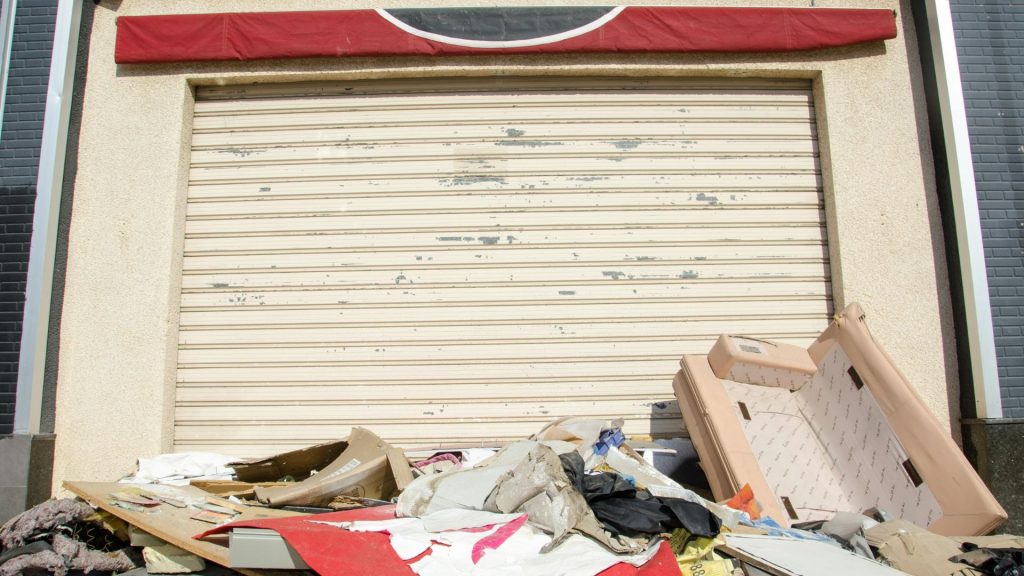
Selecting the right disposal methods is critical for effective warehouse junk removal. Items that are broken, obsolete, or no longer needed must be removed safely, whether through recycling, donations, or professional hauling services. A structured disposal plan ensures that hazardous materials, electronics, and bulky equipment are handled responsibly, minimizing liability and environmental impact. Establishing clear procedures for disposal prevents confusion, keeps pathways clear, and supports long-term organization.
Professional junk removal services can greatly simplify large-scale or complex cleanouts. These experts bring the equipment and manpower needed to move heavy or awkward items quickly, allowing warehouse staff to focus on core operational duties. Efficient disposal not only declutters physical space but also provides peace of mind that all items are handled safely and responsibly. Incorporating strategic disposal methods into your warehouse operations reduces clutter immediately, enhances employee safety, and supports compliance with environmental and safety standards, fostering a more productive and organized work environment.
Enhancing Safety Through Organization
Safety is intrinsically linked to organization in a warehouse. Cluttered aisles, stacked boxes, and scattered debris create significant hazards, increasing the likelihood of slips, trips, and falls. Removing junk improves visibility, clears walkways, and allows employees to move freely without obstruction. Defined pathways, clear signage, and organized storage areas complement junk removal efforts, promoting a culture of safety across the facility. Employees feel more secure and confident when navigating a workspace that prioritizes both order and safety.
Organized storage also reduces the potential for inventory damage, fire hazards, and equipment malfunctions. Proper placement and frequent junk removal prevent accidents that can interrupt operations or result in costly repairs. When safety protocols integrate junk removal, the warehouse operates efficiently while minimizing risk. Workers are more productive and focused in a clean and organized space, contributing to smoother operations, fewer disruptions, and a healthier, safer environment for everyone involved in day-to-day warehouse functions.
Maximizing Space for Productivity
Every square foot of warehouse space has potential value, and clutter directly diminishes that value. Effective junk removal transforms underutilized areas into usable storage zones, workstations, or equipment placements, increasing the warehouse’s operational efficiency. Evaluating which items are essential versus unnecessary helps allocate space strategically, reducing wasted square footage and creating a more fluid workflow. Freeing up space for inventory and equipment allows employees to access materials more quickly and safely, improving overall performance.
A decluttered warehouse minimizes bottlenecks and streamlines movement throughout the facility. Employees can locate items, tools, and shipping areas without unnecessary delays, contributing to faster turnaround times and smoother operations. Junk removal unlocks the true potential of your warehouse by providing room for growth, optimizing workflows, and accommodating dynamic operational demands. By regularly reviewing storage, inventory, and workspace utilization, warehouse managers maintain high levels of productivity, efficiency, and adaptability, ensuring long-term success and a clutter-free environment.
Adopting Sustainable Practices
Sustainability plays a vital role in modern warehouse operations, and junk removal offers an opportunity to implement eco-friendly practices. Recycling, repurposing, and donating items instead of discarding them in landfills minimizes environmental impact while promoting responsible corporate practices. Establishing partnerships with local recycling centers or charitable organizations ensures that discarded materials are handled properly and ethically, contributing positively to the community.
Sustainable junk removal also enhances the company’s reputation, demonstrating a commitment to environmental responsibility. Employees are more likely to embrace eco-conscious behaviors, and clients may view the business favorably for its dedication to sustainable operations. Integrating environmentally sound disposal methods into regular junk removal routines reduces waste, maintains an organized warehouse, and fosters long-term operational and community benefits. Sustainability becomes not only a responsibility but also a strategic tool for effective warehouse management.
Using Technology to Track Progress
Technology provides powerful tools to simplify warehouse junk removal. Inventory management software, digital checklists, and tracking systems allow managers to monitor clutter, schedule cleanouts, and document disposal processes accurately. These tools create real-time visibility of inventory levels and help identify areas prone to accumulation, ensuring that no section of the warehouse is overlooked. Data-driven insights guide future organizational strategies, making warehouse operations more predictable and efficient.
Leveraging technology allows junk removal to be proactive instead of reactive. Alerts, reminders, and progress reports help managers anticipate needs and prevent clutter from building up. Combining digital tracking with hands-on cleaning and organizational practices creates a comprehensive system for warehouse efficiency. Technology supports better decision-making, enhances space utilization, and enables managers to maintain order without constant manual oversight, ensuring a safer, more productive, and highly organized environment for staff and inventory.
Preparing for Seasonal or Large-Scale Projects
Large-scale projects or seasonal shifts in inventory can overwhelm warehouse space if not planned for appropriately. Proactively scheduling junk removal allows managers to make room for incoming stock, seasonal changes, or temporary equipment rotations. Dedicated cleanout periods ensure that clutter is removed efficiently without interrupting daily operations. Planning ahead reduces stress, maintains productivity, and prevents the buildup of unnecessary items during peak operational times.
Preparation often involves coordinating with professional hauling services to remove bulky, heavy, or hazardous materials safely and promptly. Efficient planning reduces operational downtime and ensures that warehouses remain flexible, organized, and prepared for high-volume periods or unexpected projects. With proactive junk removal and thoughtful scheduling, warehouses can maintain a safe, adaptable, and efficient workspace, ensuring that all operational demands are met while preventing clutter from compromising performance.
Conclusion
Maintaining an organized, efficient warehouse requires consistent effort, strategic planning, and occasional professional support. Junk removal is a critical component of this process, allowing space to be maximized, safety risks to be minimized, and operations to proceed without interruption. Regular cleanouts, deliberate inventory management, and eco-friendly disposal practices foster a workspace that encourages productivity and long-term operational success. Integrating these strategies into routine operations ensures that warehouses remain adaptable, visually manageable, and optimized for performance.
For businesses needing expert assistance, Done Right Haul Away in Maryville offers comprehensive junk removal services designed to manage everything from large-scale cleanouts to day-to-day clutter. Their skilled team ensures that materials are removed efficiently and responsibly, allowing warehouse managers to focus on their core priorities. For more information or to schedule a service, contact Done Right Haul Away at 865-236-0101. Their services provide tailored solutions for maintaining an organized and highly functional warehouse environment.