
After a shed is demolished, the first step is evaluating the materials left behind. Wood, metal, and plastics each require different handling methods. Untreated wood can often be repurposed for firewood or small DIY projects, but painted or chemically treated wood must be disposed of responsibly to avoid environmental harm. Metal components can be recycled, helping reduce waste while potentially earning a small return from scrap yards. Plastic siding or roofing should be sorted and taken to recycling centers if accepted, or otherwise placed in a landfill designed to handle construction debris. Handling these materials carefully ensures safety and minimizes environmental impact while clearing your yard efficiently.
Beyond sorting, it’s important to plan how to move heavy or awkward debris safely. Using proper lifting techniques and protective gear prevents injuries during cleanup. Hiring a professional junk removal service can streamline the process, especially when dealing with large or mixed-material debris. These services often have the right equipment and access to proper disposal facilities, saving time and reducing physical strain. By organizing materials thoughtfully and enlisting help when needed, you can make shed demolition cleanup far less stressful.
Repurposing Shed Materials for Creative Projects
Demolished sheds can provide an unexpected source of materials for creative endeavors. Pallets, boards, and metal sheets can be repurposed for garden projects, furniture, or storage solutions. With some sanding, cutting, and finishing, wood from the shed may be turned into planters, shelves, or decorative garden features. Metal roofing and siding can be incorporated into artistic structures, garden fences, or even tool storage areas. Repurposing materials reduces waste and allows you to breathe new life into old structures, turning debris into functional or decorative items.
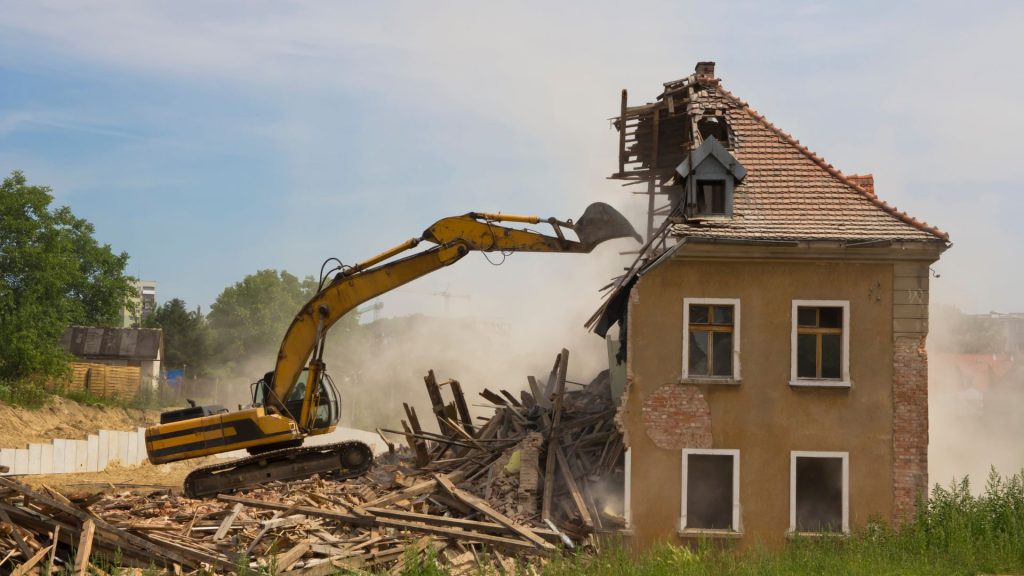
Creativity extends beyond materials to the space itself. Once the shed is removed, the cleared area can be transformed into a patio, garden, or additional storage space. By envisioning how the new space can serve your home, you can make the demolition process an opportunity for improvement rather than just removal. Planning ahead for both materials and land use ensures that the demolition leads to practical benefits and enhances your property’s utility and appearance.
Renting a Dumpster for Efficient Debris Management
A convenient solution for managing shed demolition debris is renting a dumpster. Dumpsters provide a centralized location for debris, preventing scattered piles that create hazards or prolong cleanup. Selecting the appropriate size ensures that all materials fit safely without overloading. Many rental companies allow flexible pick-up schedules, so debris can be accumulated gradually as demolition progresses. Properly placing a dumpster on your property also helps maintain safety for people and pets and keeps the worksite organized.
Using a dumpster reduces the number of trips to disposal facilities and eliminates the guesswork involved in managing mixed debris. You can safely deposit wood, metal, plastic, and even old roofing in one container, which professional services can later sort and recycle. This approach saves physical effort and time, allowing demolition projects to proceed smoothly. By preparing the site and using tools like dumpsters, cleanup becomes more manageable and environmentally responsible, leaving a tidy yard ready for its next purpose.
Donating or Selling Usable Shed Components
Some parts of a demolished shed may still be usable. Doors, windows, and hardware in good condition can be donated to local charities or sold to DIY enthusiasts. Many community organizations accept building materials to support affordable housing projects or community improvements. Selling components online can also generate modest returns while ensuring that usable items do not end up in landfills. Assessing which materials remain functional before disposal helps reduce waste and benefits others in need of affordable supplies.
Beyond direct donations or sales, consider offering materials through local swap networks or social media groups. Gardeners, builders, and hobbyists often seek reclaimed wood, metal sheets, and fixtures. Even small items such as hinges, screws, or handles may be valuable to someone else. By thoughtfully distributing usable components, you not only clear your property responsibly but also contribute to resource conservation and community support, giving the shed a second life in unexpected ways.
Recycling Metal and Wood Responsibly
Recycling shed materials is an environmentally conscious choice that can also save money. Metal frames, roofing, and siding can often be sold as scrap or taken to recycling centers, ensuring they are reused in new construction or manufacturing. Wood, if untreated, can be chipped into mulch or reused for home projects. Properly separating recyclable materials from non-recyclable debris is critical to ensure they do not contaminate recycling streams. This effort supports sustainability while maintaining a clean property.
Some demolition debris, such as treated wood or composite materials, may not be accepted at standard recycling centers. These materials must be handled according to local regulations to prevent environmental harm. Many professional junk removal services offer specialized recycling options, combining convenience with compliance. By committing to responsible recycling, you can reduce landfill contributions and promote environmental stewardship while efficiently managing the aftermath of your shed demolition.
Safely Handling Hazardous Shed Components
Older sheds may contain materials that require special handling due to potential hazards. Asbestos shingles, lead-based paints, or chemical treatments on wood can pose health risks if not managed correctly. Removing these materials without protective gear or proper techniques can lead to exposure and contamination. It’s essential to identify any potentially hazardous components before beginning demolition and follow safety guidelines for handling, containment, and disposal.
For particularly risky materials, professional junk removal and hazardous waste services are often the safest choice. These experts have the necessary training and equipment to manage hazardous debris safely and in compliance with regulations. Even small amounts of contaminated material can cause long-term problems if mishandled, so investing in proper disposal methods ensures the safety of your household and neighbors while keeping the property clean and compliant with local ordinances.
Preparing the Site for Landscaping or New Construction
Once the shed is demolished and debris removed, the cleared space offers new opportunities for your property. Preparing the site may involve leveling, soil testing, or laying foundational elements for new projects such as gardens, patios, or storage structures. Proper preparation ensures that the area is safe, stable, and visually appealing for its next purpose. Neglecting this step can result in uneven ground, poor drainage, or setbacks for future construction.
Site preparation may also include removing leftover nails, screws, or small debris that could cause injury or damage equipment. Spreading topsoil, planting grass, or adding mulch helps establish a functional and attractive area. Planning ahead for the intended use ensures that the demolition site becomes a valuable asset rather than an eyesore. Thoughtful preparation maximizes the potential of the cleared space and contributes to the long-term enjoyment and utility of your property.
Hiring Professional Junk Removal Services
Demolishing a shed involves heavy lifting, sorting materials, and proper disposal. Professional junk removal services simplify this process by providing labor, equipment, and access to disposal or recycling facilities. Experts can safely remove large components, reduce physical strain, and handle materials that require special care. By hiring professionals, you save time, reduce injury risk, and ensure compliance with local disposal regulations.
These services also offer flexible scheduling and efficient handling of mixed debris. Whether your shed demolition produces wood, metal, plastics, or treated materials, a professional team can sort and remove items responsibly. This approach allows you to focus on planning your property’s next phase while the cleanup is handled effectively. Utilizing a professional junk removal service transforms what could be a stressful chore into a seamless, organized experience.
Using the Area for Outdoor Living Enhancements
The space left behind after a shed is removed can be transformed into functional outdoor living areas. Garden beds, seating areas, or play spaces can be created depending on your needs. Removing the shed not only clears physical clutter but also opens possibilities for landscaping improvements, decorative features, or recreational use. Considering how the space complements your property maximizes its utility and visual appeal.
Integrating hardscaping, lighting, and plantings can turn a former storage site into a welcoming extension of your home. Planning these enhancements after demolition allows for better design and execution without interference from leftover debris. Taking advantage of the newly cleared area can add value to your property while providing a practical and enjoyable outdoor space for family and friends.
Planning Ahead for Future Maintenance
Demolishing a shed offers an opportunity to rethink how you manage outdoor storage and maintenance. Installing durable storage solutions or reconsidering the layout of outdoor equipment can prevent future clutter. Planning for maintenance, drainage, and material durability helps ensure that the cleared area remains functional and tidy over time. Anticipating these needs reduces the risk of debris accumulation and simplifies ongoing yard care.
By considering the lifecycle of new structures or landscaping features, you can prevent repeating the demolition and disposal cycle. Durable materials, weather-resistant storage, and organized layouts all contribute to long-term efficiency. Thoughtful planning after shed demolition turns a one-time cleanup effort into lasting benefits, maintaining a neat and organized outdoor environment.
Conclusion
Dealing with the aftermath of shed demolition involves more than simply removing debris. Prioritizing safety, sorting materials for reuse or recycling, and planning for future use ensures the property remains functional and appealing. Wood, metal, plastics, and hazardous components must each be handled appropriately, either through repurposing, recycling, or responsible disposal. Professional junk removal services can greatly simplify this process, reducing physical strain, ensuring compliance with regulations, and speeding up cleanup. Transforming the cleared area can lead to new landscaping opportunities, outdoor living enhancements, or practical storage solutions, maximizing the value and enjoyment of your property.
For those looking for a reliable partner to manage shed demolition debris, Done Right Haul Away in Maryville provides comprehensive junk removal services. Their team handles all types of materials safely and efficiently, giving homeowners peace of mind while reclaiming their space. With flexible scheduling, proper disposal methods, and attention to environmental responsibility, Done Right Haul Away ensures that shed demolition cleanup is stress-free and thorough. Call 865-236-0101 to schedule services and transform your property after shed removal.