
Understanding the Scale of Your Warehouse Space
Every warehouse tells a story through the clutter it collects over time. Before diving into a cleanout project, it’s crucial to understand the scope of the space. Whether your warehouse holds manufacturing materials, outdated equipment, or general storage, the amount of debris and recyclable materials determines the approach needed. Some areas may require heavy lifting equipment or specialized hauling, while others might just need systematic sorting. Evaluating the size of the space and the type of materials stored helps set realistic timelines and expectations for the cleanup.
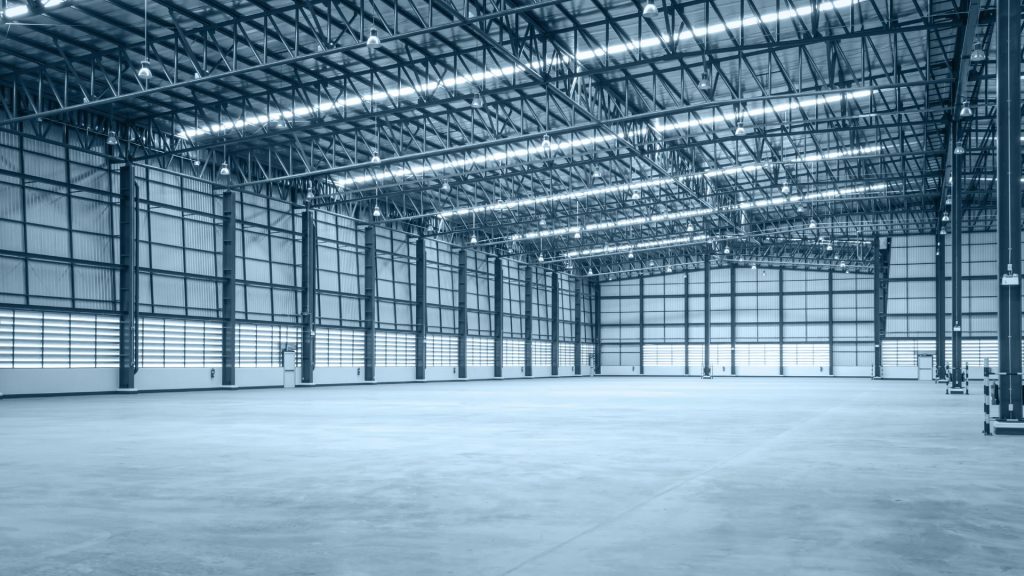
Taking time to analyze the warehouse layout can also uncover hidden opportunities for improvement. Once unnecessary items are identified and removed, the available space can be reconfigured for efficiency. Many businesses find that what once seemed like a cramped environment transforms into an organized and functional area. A clear understanding of the warehouse’s size and structure ensures that every phase of the cleanout happens smoothly and effectively, saving both time and resources in the long run.
Safety Protocols During the Cleanout Process
Warehouse cleanouts often involve bulky items, hazardous materials, and heavy machinery, which can pose serious safety risks. Establishing strict safety protocols from the beginning keeps everyone involved protected from potential accidents. Wearing proper gear, using appropriate lifting equipment, and maintaining a clean workspace during the process are small steps that make a big difference. Clear communication among team members ensures tasks are completed safely without confusion or unnecessary hazards.
Additionally, assessing the warehouse for unstable structures or damaged materials is key before hauling begins. Many warehouses contain items that have deteriorated over time, making them more difficult to handle. Prioritizing safety doesn’t just protect workers—it preserves valuable equipment and prevents property damage. A safe and controlled environment leads to faster progress and smoother transitions, making it possible to focus on completing the cleanout with confidence and precision.
Efficient Sorting and Disposal Strategies
When faced with a warehouse full of outdated materials, efficient sorting becomes the foundation of a successful cleanout. The process begins by categorizing items into groups: what to keep, donate, recycle, or dispose of. Sorting not only simplifies the cleanout but also promotes sustainability. Reusable or recyclable items reduce waste while minimizing disposal costs. Taking this methodical approach prevents confusion during removal and ensures nothing important is discarded by mistake.
Disposal should also follow local environmental regulations to avoid penalties or harm to the ecosystem. Partnering with proper recycling centers or certified disposal facilities guarantees that materials like metal, electronics, and wood are processed responsibly. A well-organized sorting strategy can turn what seems like a chaotic cleanup into an efficient operation, saving time while supporting environmentally conscious practices. With structure and planning, a warehouse cleanout becomes a smooth, waste-free transformation that benefits both business and environment.
The Importance of Proper Equipment and Tools
No warehouse cleanout can run efficiently without the right tools and equipment. From forklifts to dumpsters, having access to the proper resources makes the difference between a drawn-out project and a quick turnaround. Heavy-duty lifting gear reduces the risk of injury and speeds up the removal of large or awkward items. Dumpsters or roll-off containers strategically placed throughout the site help contain debris, maintaining order as work progresses.
Equipping the team with gloves, masks, and other safety gear ensures every task is performed with minimal risk. Using advanced tools like pallet jacks or compactors can also improve efficiency by reducing the need for multiple manual trips. A well-equipped warehouse cleanout not only boosts productivity but also enhances safety and organization throughout the process. With the right tools on hand, even the most cluttered spaces can be restored to a clean, functional environment faster than expected.
Scheduling and Time Management for Warehouse Cleanouts
A successful warehouse cleanout relies heavily on smart scheduling and time management. Without a structured timeline, even the most organized plan can fall apart. Creating a clear schedule that outlines which sections to tackle first keeps the project moving at a steady pace. Designating specific days for sorting, hauling, and final cleanup ensures the workload remains manageable and avoids overlap between tasks.
Time management also depends on having a realistic estimate of how long each phase will take. Larger warehouses may require several days or weeks to fully clear, while smaller ones could be completed within hours. Coordinating the team’s efforts efficiently allows operations to resume quickly without extended downtime. When every hour counts, a well-planned schedule ensures that productivity remains high and disruptions are kept to a minimum.
Managing Recyclables and Hazardous Materials
Warehouses often accumulate more than just ordinary junk. There can be pallets of old chemicals, scrap metals, or outdated machinery containing hazardous components. Handling these materials requires caution and knowledge of local disposal regulations. Proper identification and segregation of hazardous waste prevent contamination and protect both people and the environment. Every step of the process, from labeling to transportation, must be handled with care.
Recyclables, on the other hand, present an opportunity to recover value from what might seem like waste. Metals, plastics, and cardboard can often be repurposed or resold, offsetting some of the cleanup costs. Partnering with recycling facilities ensures these materials are given a second life instead of ending up in landfills. Responsible management of recyclables and hazardous waste not only reflects good business ethics but also strengthens a company’s environmental commitment.
Space Optimization After a Cleanout
Once the junk is removed and the space cleared, the next step is optimizing the warehouse layout for better productivity. This is the perfect time to reassess how storage zones, pathways, and inventory are organized. Open areas can be repurposed for streamlined operations, while shelving and storage systems can be arranged to improve accessibility. A clean, spacious warehouse also enhances workflow efficiency by reducing the time employees spend navigating cluttered areas.
Post-cleanout organization is about more than appearance—it’s about setting the stage for long-term efficiency. Labeling systems, designated drop zones, and digital tracking can keep the warehouse from falling back into disarray. A thoughtfully restructured space supports faster operations and better safety practices, proving that a well-maintained warehouse directly contributes to a company’s success.
Environmental Considerations in Warehouse Cleanouts
In today’s world, sustainability plays a significant role in every business operation, including warehouse cleanouts. Disposing of items responsibly reduces the environmental footprint and promotes corporate responsibility. Many materials, such as metals, plastics, and electronics, require specific recycling processes to prevent harmful chemicals from entering the environment. Ensuring these items are handled correctly demonstrates a commitment to protecting the planet.
Environmental awareness also influences how future storage and disposal practices are approached. By setting up recycling bins or waste reduction systems, businesses can continue to operate in eco-friendly ways even after the cleanout is complete. Maintaining these habits long-term not only benefits the environment but can also improve a company’s public image and operational efficiency. Sustainable cleanouts are investments in both the business and the planet’s well-being.
Team Coordination and Communication
A cleanout project is only as effective as the coordination behind it. Clear communication among team members prevents confusion and ensures every task is completed correctly. Assigning specific roles—such as sorting, hauling, or supervising—helps the project stay organized. When everyone knows their responsibilities, progress happens more smoothly, and mistakes are less likely to occur.
Strong coordination also helps identify potential challenges early on. If an obstacle arises, the team can quickly adjust without derailing the entire operation. Regular check-ins throughout the project maintain focus and keep motivation high. A warehouse cleanout is a collaborative effort, and teamwork is what transforms a demanding project into a successful one.
Cost Efficiency and Budget Planning
Budgeting for a warehouse cleanout can be complex, especially when dealing with large spaces or specialized waste. Factoring in dumpster rentals, transportation, labor, and disposal fees helps avoid unexpected expenses later. A well-thought-out budget ensures that the project remains cost-effective from start to finish. Comparing different hauling and disposal options can also reveal opportunities for savings without sacrificing quality or safety.
Keeping track of expenses throughout the process is equally important. Regular reviews of labor hours and material costs can prevent overspending and highlight areas where adjustments can be made. By staying mindful of costs and maintaining transparency, businesses can complete their cleanout efficiently while keeping financial goals intact. A budget-conscious approach ensures the warehouse transformation remains both practical and affordable.
Conclusion
Warehouse cleanouts require careful planning, coordination, and execution to achieve lasting results. Understanding the space, managing time effectively, ensuring safety, and handling materials responsibly are essential to transforming a cluttered facility into a streamlined environment. Every decision made throughout the process—from sorting recyclables to optimizing layout—plays a part in enhancing efficiency and sustainability.
For businesses in need of reliable and professional Junk Removal, Done Right Haul Away in Maryville provides dependable services tailored to large-scale projects and complex cleanouts. Their experienced team brings organization and efficiency to every job, ensuring warehouse spaces are restored quickly and safely. To schedule a service or request a quote, call 865-236-0101 today and take the first step toward a cleaner, more productive workspace.